How Storm Damage Affects Your Roof Long Term and What to Watch For
Understanding the Long Term Impact of Storm Damage on maryland roofs
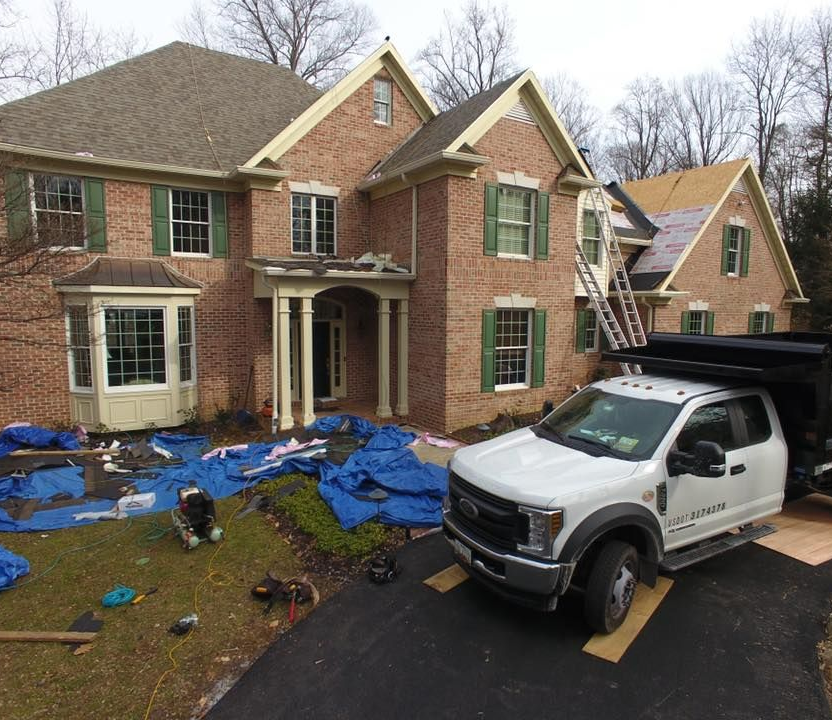
Storms can cause immediate damage to a roof, but the long term effects are often what create the most serious problems. Wind, rain, and debris may weaken materials in ways that are not always visible right away. Four Seasons Roofing helps homeowners recognize how storm exposure impacts their roof over time, often working with a trusted roofing company to identify issues before they worsen.
What Types of Storm Damage Affect Roofs?
Storm damage can take many forms depending on the severity of the weather and the condition of the roof.
Common types include:
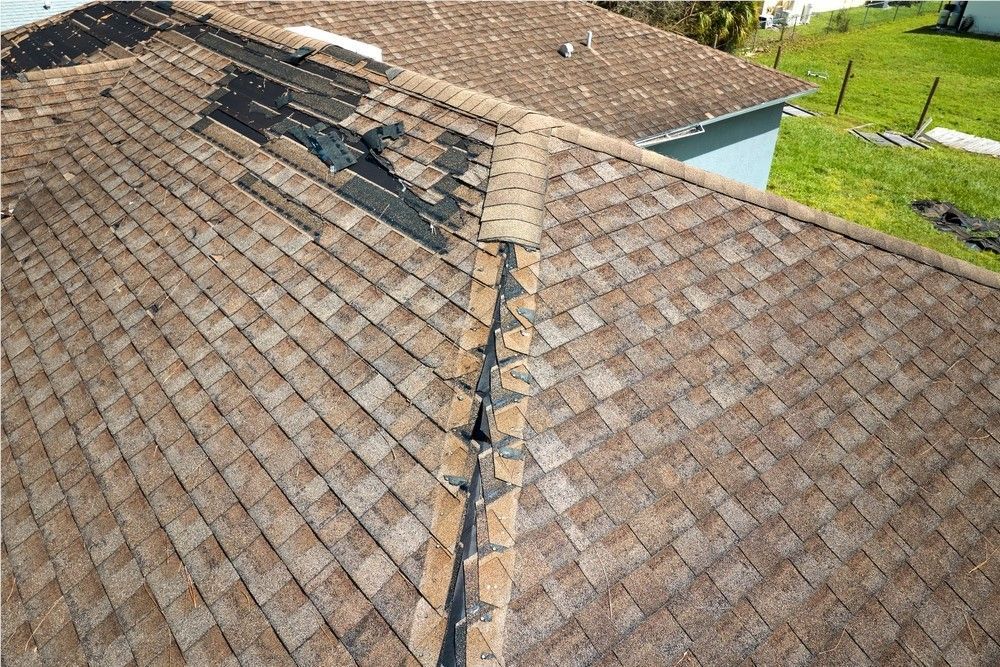
- Wind lifting or loosening shingles
- Impact damage from debris or hail
- Water intrusion from heavy rain
- Damage to flashing and roof edges
Even minor damage can create vulnerabilities that develop into larger issues over time.
How Does Wind Damage Progress Over Time?
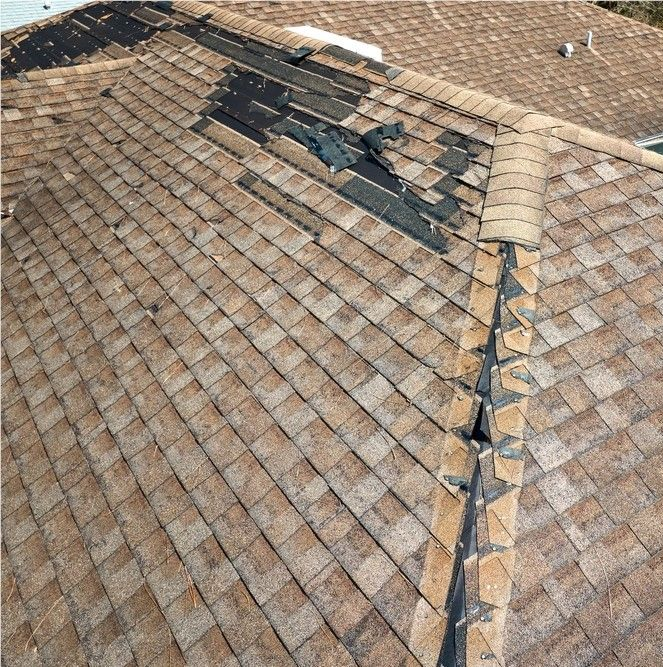
Wind can cause shingles to shift or lift slightly, even if they do not come off immediately. This weakens the protective barrier of the roof and exposes underlying materials.
Over time, wind damage can lead to:
- Shingles becoming more prone to detachment
- Increased exposure to moisture
- Accelerated wear across affected areas
A reliable local roofer can identify early signs of wind damage before they spread.
Why Does Water Damage Become More Severe Over Time?
Water is one of the most damaging elements a roof can face. Once moisture finds its way beneath shingles, it can remain trapped and continue to spread.
Long term water damage may result in:
- Rotting wood and weakened decking
- Mold or mildew growth
- Insulation damage
- Interior ceiling and wall stains
Working with a professional roof repair company helps address these issues before they become more costly.
How Do Repeated Storms Affect Roof Lifespan?
Roofs that experience frequent storms are more likely to wear down faster. Each storm adds stress, even if damage appears minor at first.
Over time, repeated exposure can cause:
- Faster deterioration of materials
- Increased likelihood of leaks
- Weakening of structural components
- Reduced overall lifespan of the roof
Regular checks by a roof inspection company can help monitor these effects and guide maintenance decisions.
What Are the Warning Signs of Ongoing Storm Damage?
Storm damage is not always immediately visible, but there are signs homeowners can watch for after severe weather.
These include:
- Missing or curling shingles
- Granules collecting in gutters
- Visible dents or marks on roofing materials
- Water stains inside the home
- Uneven or sagging roof areas
These issues often lead homeowners to search for roof repair near me when damage becomes noticeable.
When Does Storm Damage Lead to Roof Replacement?
In some cases, storm damage goes beyond simple repairs. When damage is widespread or repeated over time, replacement may be the better option.
Roof replacement may be necessary when:
- Large sections of the roof are affected
- Leaks are ongoing or difficult to repair
- Structural damage is present
- The roof is already nearing the end of its lifespan
A professional evaluation helps determine whether repair or full roof replacement is the best solution.
How Can You Protect Your Roof From Future Storm Damage?
While storms cannot be prevented, there are steps homeowners can take to reduce their impact.
Preventative measures include:
- Scheduling regular roof inspections
- Addressing minor issues quickly
- Keeping gutters clean and functional
- Ensuring flashing and seals are secure
Working with a trusted roof maintenance service helps keep your roof prepared for changing conditions.
Why Early Action Makes a Difference
Storm damage often starts small but can grow into more serious problems if ignored. Taking action early helps prevent long term damage and reduces the risk of costly repairs.
Contact Four Seasons Roofing today to schedule a roof evaluation and take the next step in protecting your home from long term storm damage.