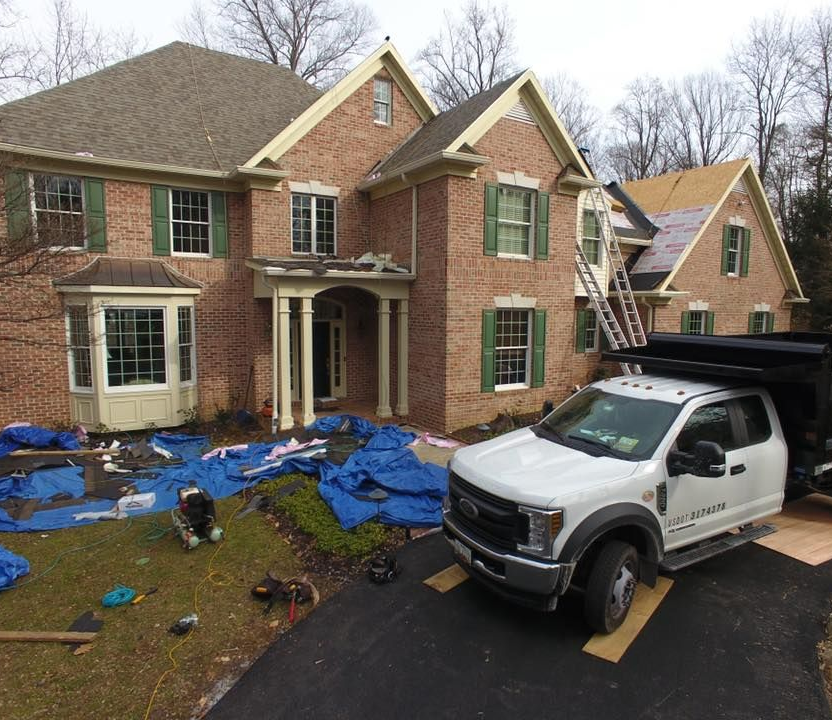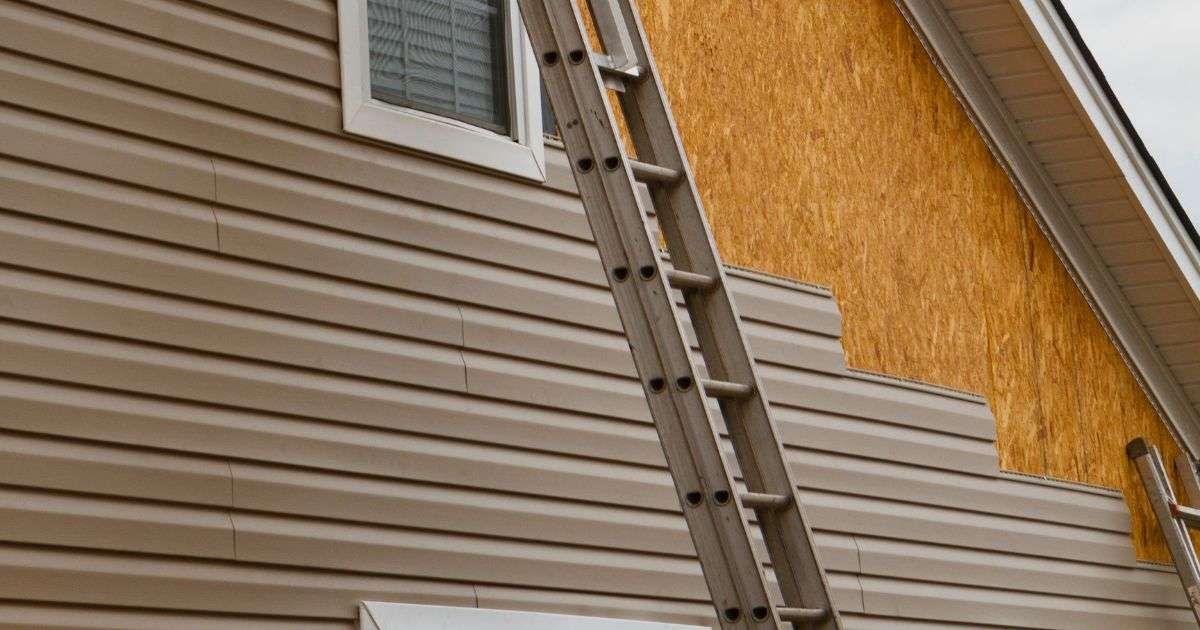
Glen Burnie roof repair: A planning timeline from consultation to completion
Roof repair involves more than identifying damaged shingles and scheduling a crew. The process may include documenting the problem, tracing the source of water intrusion, inspecting connected roof components, defining the repair area and coordinating gutters or drainage.
For homeowners considering roof repair in Glen Burnie, MD, understanding this timeline can make the project easier to manage. It also helps homeowners know which decisions must be made before work begins and what should be reviewed after the repair is completed.
Begin by documenting the roofing problem
Before contacting a roofing contractor, record what you have observed and when it occurs. You do not need to diagnose the cause yourself.
Useful information may include:
- The location of ceiling stains or visible moisture
- When the problem first appeared
- Whether it occurs during every rainfall
- Whether wind direction seems to affect the leak
- Recent storms or fallen debris
- Visible shingles or roofing materials on the ground
- Previous repairs completed in the same area
Take photographs when it is safe to do so, particularly if an interior stain changes after a storm. Avoid climbing onto the roof. The location of an indoor stain does not always identify where water entered the roofing system.
If active water is entering the home or storm damage has left an area exposed, contact a roofing professional promptly rather than waiting for a routine appointment.
Schedule the roof repair consultation
The next step is an on-site evaluation. During the consultation, explain the symptoms, their location and any previous work completed on the roof.
The contractor may need to inspect more than the visible damage. Water can enter near flashing, vents, valleys or roof transitions and travel before appearing indoors. An evaluation may include the roof surface, penetrations, flashing, drainage paths and accessible attic areas.
Four Seasons Roofing’s roof repair services page provides additional information about the types of roofing problems that may require professional attention.
Before the consultation ends, ask what was inspected, what remains uncertain and whether temporary protection is needed before permanent work can begin.
Confirm whether a targeted repair is appropriate
A consultation should establish whether the problem can be addressed with a localized repair or requires a broader roofing solution.
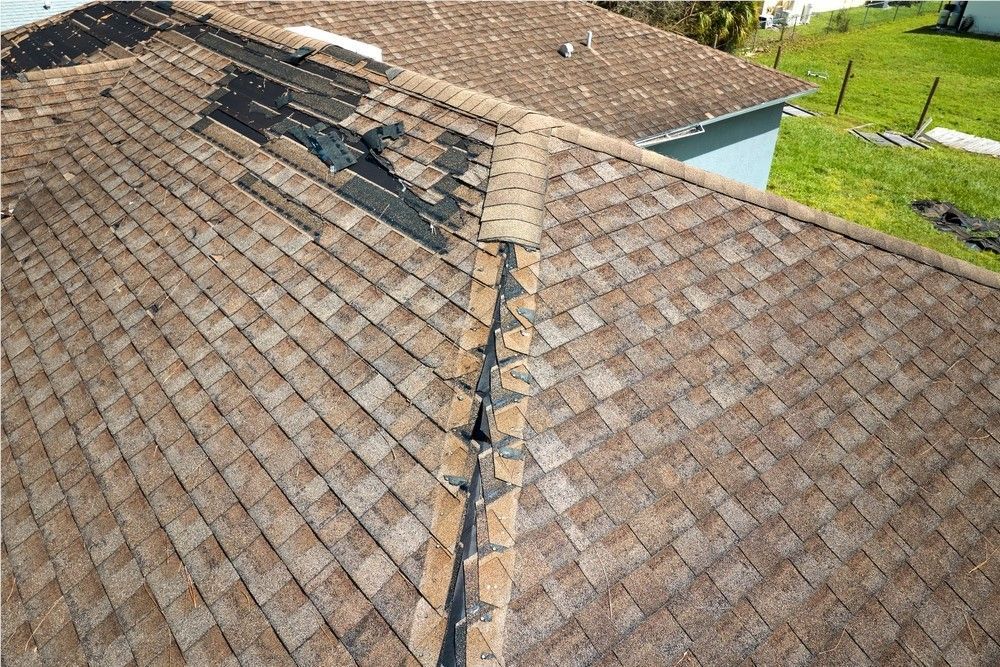
A targeted repair may be appropriate when the affected area is limited and the surrounding roofing system remains serviceable. A larger scope may be recommended if damage extends beyond the visible area, several components have failed or previous repairs have not corrected the underlying problem.
The contractor should explain the recommendation in practical terms. Homeowners should understand:
- Where the problem is believed to originate
- Which materials or components will be removed
- Which components will be repaired or replaced
- Whether adjacent areas need to be opened
- What conditions could change the scope
- How additional work would be authorized
This information makes it easier to review the estimate and determine whether it addresses the cause of the problem rather than only its visible effects.
Need a professional evaluation of a roofing problem?
Request an estimate from Four Seasons Roofing to discuss the affected area, inspection findings and recommended repair scope.
Review gutters and drainage before approving the scope
Roof repairs and drainage problems can be connected. Water that cannot move efficiently through gutters and downspouts may overflow near the roof edge, fascia or exterior walls. Debris buildup, improper gutter pitch, undersized drainage components or damaged sections can also complicate water management.
This does not mean every roof repair requires new gutters. It means the contractor should determine whether drainage is contributing to the problem before the repair scope is finalized.
Ask whether the evaluation includes:
- Gutters near the affected roof area
- Downspout connections and discharge points
- Signs of overflow or staining near the fascia
- Loose, damaged or separated gutter sections
- Debris that may restrict water flow
If gutter work is recommended, review Four Seasons Roofing’s gutter installation and repair services and confirm whether the roofing and drainage work should be completed together or scheduled separately.
Approve a clearly defined repair estimate
The estimate should identify the repair area and the principal materials and components included. A vague description such as “repair roof leak” does not provide enough information to compare proposals or review the finished work.
A useful roof repair estimate may specify:
- Materials to be removed and replaced
- Flashing, sealants or underlayment involved
- Gutter or drainage work included
- Property protection and cleanup
- Expected scheduling
- The process for approving additional work
Some conditions may remain hidden until materials are removed. The estimate should explain how the contractor will document and communicate those findings before proceeding beyond the agreed scope.
Prepare the property for repair day
Once the repair date is confirmed, ask where the crew will need access and whether vehicles should be moved.
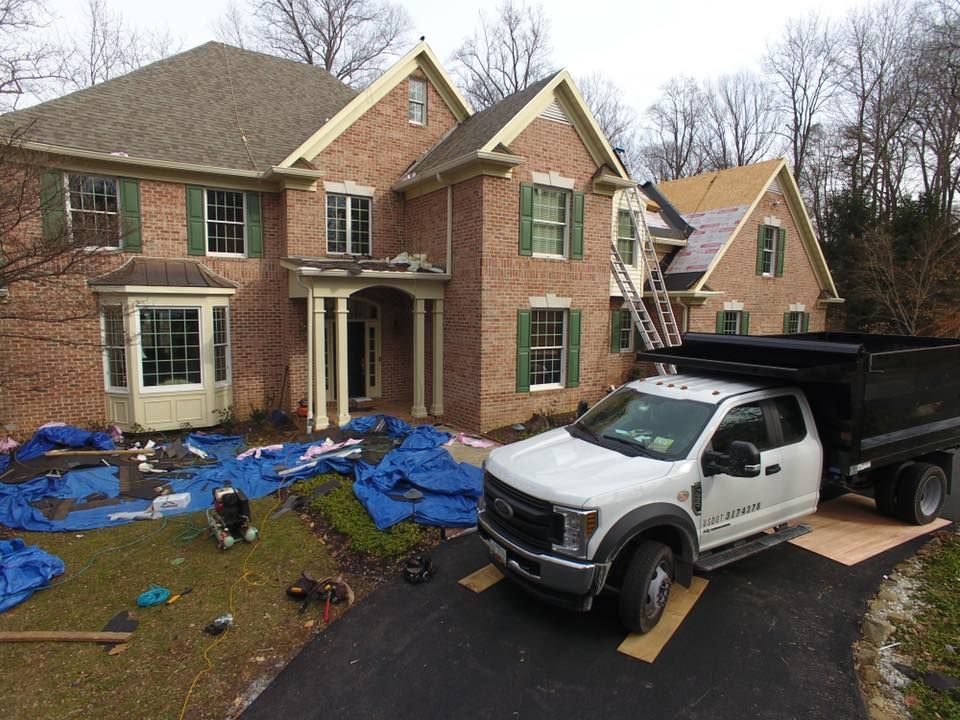
Clear driveways, gates and pathways near the work area. Move portable furniture, grills and decorations away from the affected elevation. Protect fragile objects inside the home if work will occur above them.
Children and pets should remain away from active work zones. If attic access is required, make sure the entrance is clear and identify any stored items or surfaces that need protection.
Weather may affect roofing schedules. Ask how postponements will be communicated and whether any temporary protection needs to remain in place until work resumes.
What happens during the roof repair?
The crew will prepare the work area and access the section identified in the approved scope. Depending on the problem, the repair may involve removing surface materials, evaluating underlying components, replacing damaged materials and restoring flashing or other water-management details.
If hidden deterioration is discovered, the contractor should document it and explain how it affects the repair before completing work outside the original agreement.
A homeowner does not need to supervise each step, but one authorized person should be available to answer questions and approve necessary changes.
Complete the final walkthrough
At the end of the project, review the completed repair with the contractor. Confirm which materials were replaced and whether the final work differed from the original estimate.
Ask to review photographs when the repaired area cannot be seen safely from the ground. Confirm that debris has been removed and that gutters, downspouts and nearby exterior areas were left clear.
Keep the estimate, final invoice, photographs and warranty information together. These records can help if the same area is evaluated later or if additional exterior work is planned.
Plan roof repair in Glen Burnie with Four Seasons Roofing
A structured repair process moves from documenting the problem to inspection, scope approval, drainage coordination, repair and final review. Each stage gives the homeowner an opportunity to understand the recommendation and confirm what the project includes.
Four Seasons Roofing provides roofing and exterior services for Glen Burnie homeowners, including roof repair and gutter solutions.