When Gutter Overflow Is Actually a Roof-Edge or Flashing Problem
Overflowing gutters are often blamed on leaves and debris. Although a blockage is a common cause, it is not the only reason water may spill over the front of a gutter, run behind it, or collect around the roofline.
The actual problem may involve the gutter’s alignment, downspout placement, damaged fascia, roof-edge flashing, or the way runoff reaches the drainage system. Cleaning the gutter may improve the symptom temporarily without correcting the condition that caused it.
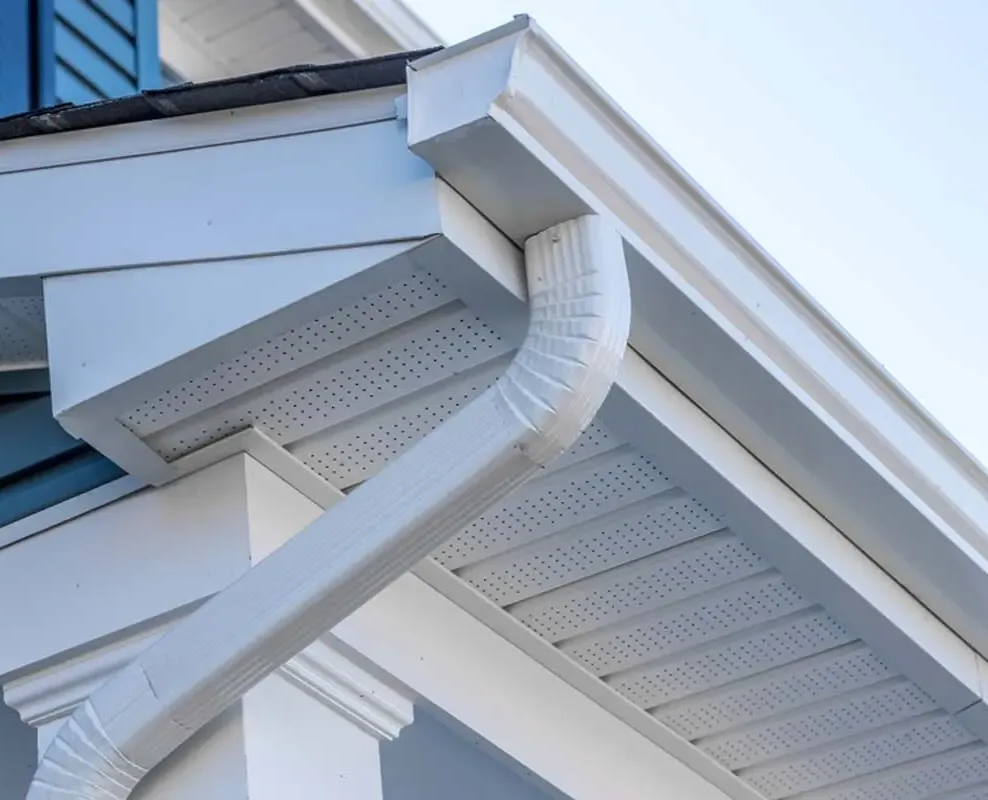
At Four Seasons Roofing, we evaluate gutters together with the surrounding roofing and exterior components. Our gutter installation and replacement services in Maryland focus on how water moves from the roof, into the gutters, and away from the home.
Why gutters may continue overflowing after cleaning
A clogged gutter cannot move water effectively, but repeated overflow after cleaning usually deserves a closer evaluation. The gutter may not have the correct slope toward the downspout, or one section may have shifted and created a low area where water collects.
Gutters can move over time as fasteners loosen, fascia materials deteriorate, or the system carries the added weight of standing water, wet debris, or ice. Once the alignment changes, water may stop flowing toward the intended outlet.
The location of the overflow matters. Water spilling from one corner may indicate a local low point or blocked outlet. Overflow along a long section may suggest that the gutter is not adequately managing the amount of runoff reaching it.
Roof valleys can send too much water toward one area
Roof valleys collect runoff from two adjoining roof slopes. During heavy rain, a large amount of water may reach a relatively small gutter section within a short period.
If the gutter, corner, or nearby downspout is not configured to manage that concentrated flow, water can overshoot the system or spill over the edge. This does not necessarily mean the entire gutter system has failed. The roof surface and drainage pattern must be evaluated together.
When we inspect this type of problem, we look at where the water originates, how it travels across the roofing surface, where it enters the gutter, and how quickly it can reach the downspout.
Water behind the gutter points to a different concern
Water spilling over the front of a gutter and water running behind it are not the same problem.
When water moves behind the gutter, the condition may involve the position of the system, damaged roof-edge materials, deteriorated fascia, or flashing that is not directing runoff correctly. Moisture may then affect areas that are difficult to see from the ground.
Common warning signs include:
- Dark staining behind the gutter
- Peeling paint or soft fascia
- Moisture around soffit areas
- Gutters separating from the roofline
- Water marks on the siding below
Applying sealant to the visible gap may not provide a reliable solution. The direction of the water and the condition of the connected materials should be identified first.
Fascia condition affects gutter stability
The fascia provides an important attachment surface for many residential gutter systems. If it has been weakened by moisture or deterioration, fasteners may no longer remain secure.
Installing a new gutter over damaged fascia can leave the replacement system without adequate support. The gutter may begin to sag or pull away, allowing water to move behind it again.
At Four Seasons Roofing, we review visible fascia conditions before recommending gutter replacement. If additional deterioration becomes visible during removal, we explain how it affects the project before continuing with the work.
Flashing connects the roofing and drainage systems
Roof-edge flashing helps guide water away from vulnerable materials and toward the exterior drainage system. When it is missing, damaged, or positioned incorrectly, runoff may travel behind the gutter instead of entering it.
This is why gutter overflow sometimes requires a roofing evaluation. The drainage system may be functioning, but the water may not be reaching it correctly.
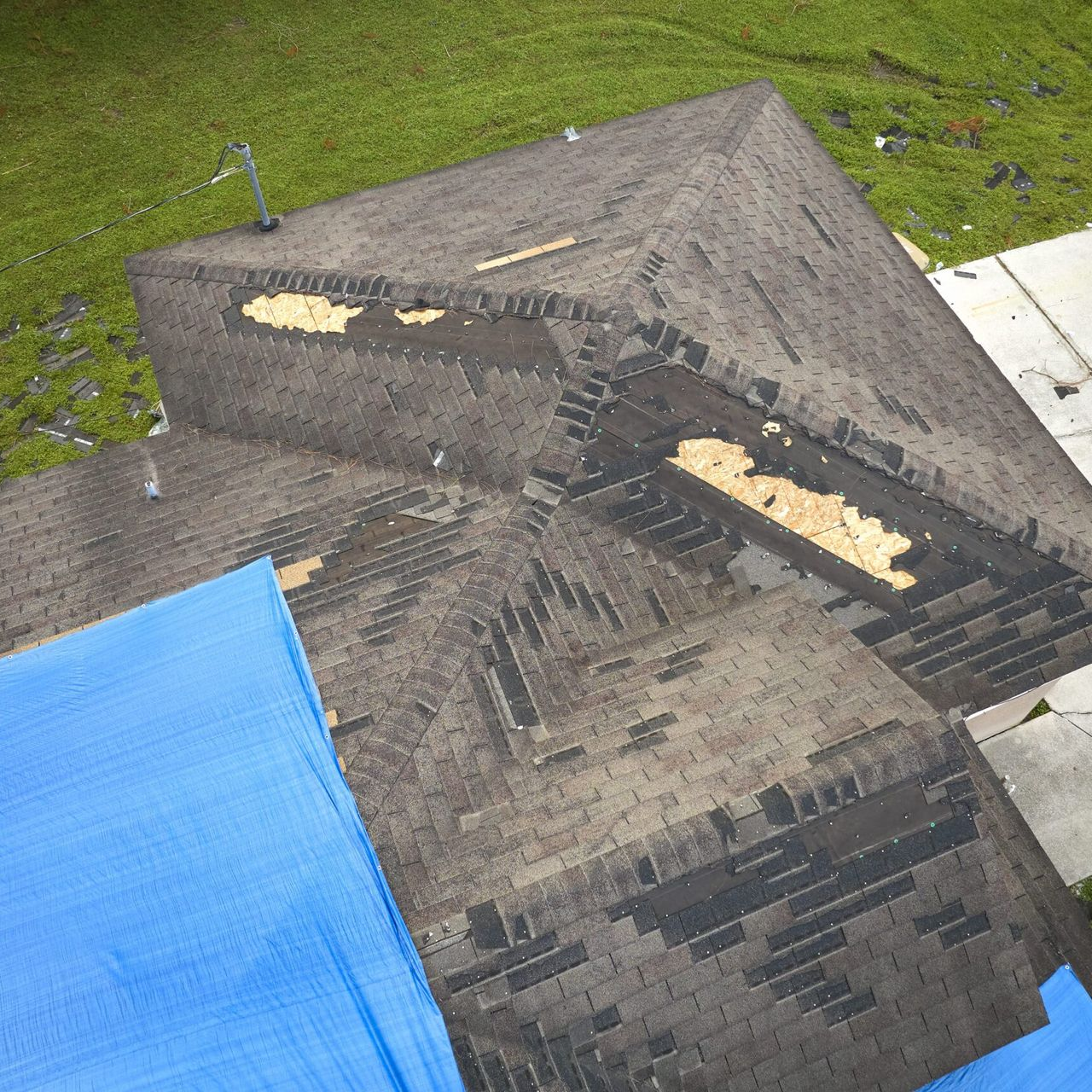
Our roof repair services in Maryland include identifying the source of visible roofing and roof-edge concerns before recommending a repair. We determine whether the condition is limited to the gutter or connected to flashing, shingles, fascia, valleys, or another part of the roofing system.
When gutter replacement becomes the better option
A cleaning or adjustment may be appropriate when the gutter remains structurally sound. Replacement becomes more practical when the system is sagging, separating, repeatedly leaking, holding standing water, or no longer aligned with the roof edge.
The condition of the downspouts also matters. If they are poorly located or cannot move water away from the home effectively, replacing only the horizontal gutter sections may not resolve the drainage problem.
We evaluate the complete path of the water before recommending replacement. That includes the roof surface, receiving gutter, downspouts, fascia, siding, and the area where water is discharged.
Roofing, siding, and gutters should be coordinated
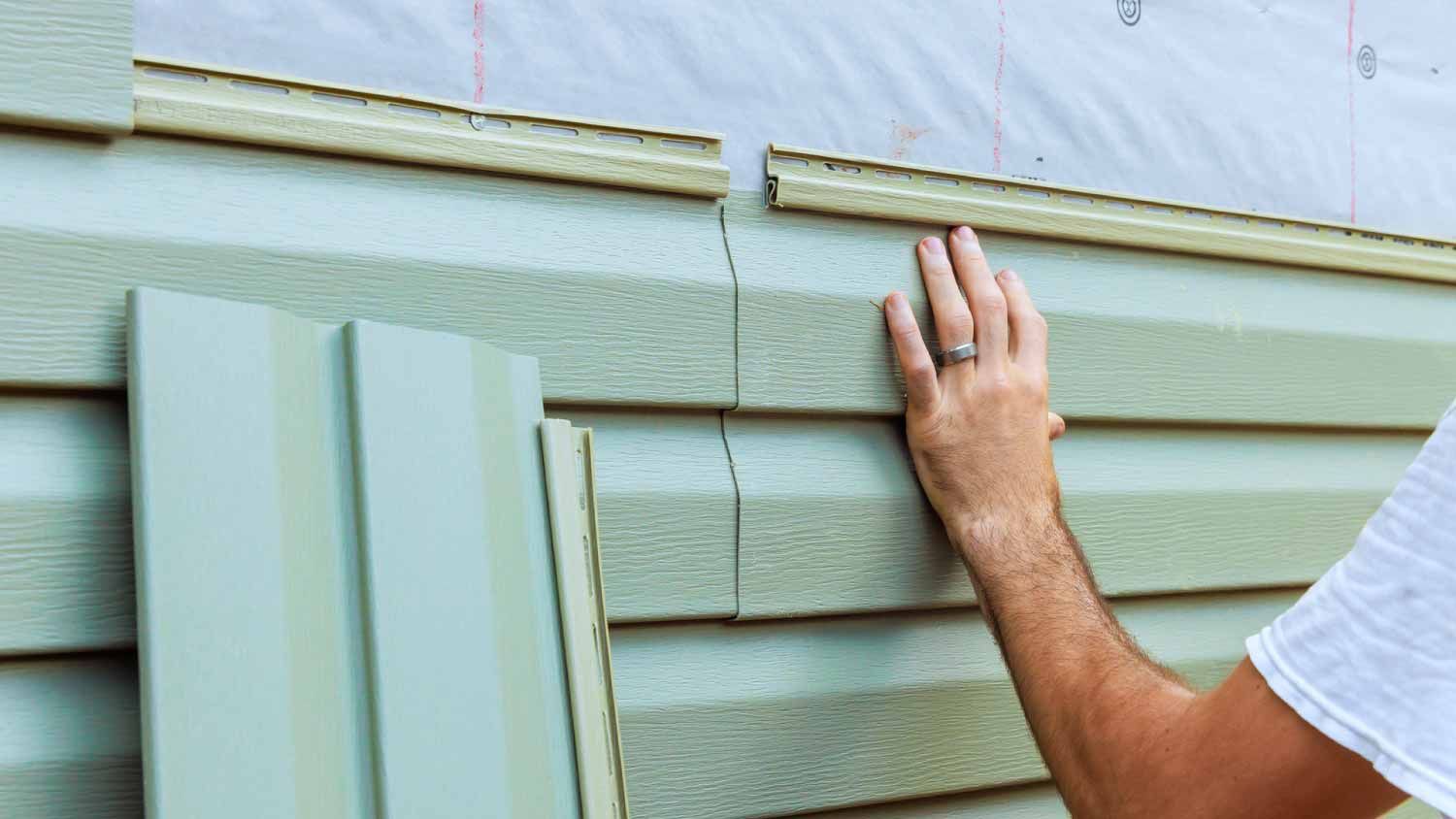
Gutters are attached near the roofline and direct water across the exterior of the home. Their performance is therefore connected to both roofing and siding.
A roofing project may change roof-edge details. Siding work may affect downspout attachments and exterior transitions. Fascia replacement may require the gutters to be removed and reinstalled. Planning these components together can prevent newly installed materials from being disturbed later.
Homeowners can explore siding and gutter installation in Pasadena or review siding and gutter services in Owings Mills.
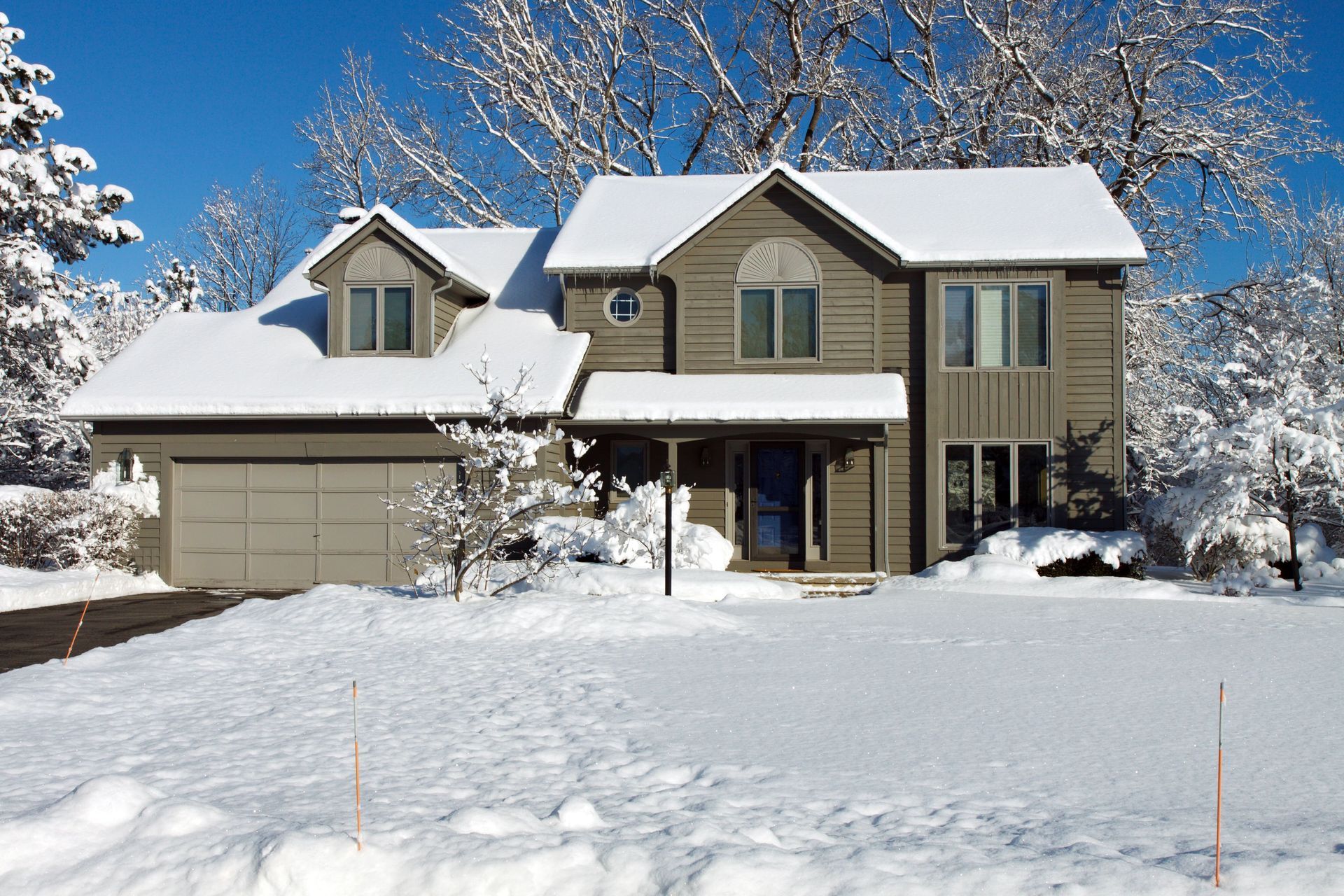
Evaluate gutter problems before winter
Fall rain and leaf buildup often make drainage problems easier to identify. Addressing repeated overflow before freezing temperatures arrive can help prevent standing water, added weight, and ice from placing more stress on an already weakened system.
Pay attention to where the water appears, whether it spills over the front or travels behind the gutter, and whether staining is developing on the fascia or siding. Those details help determine whether the solution involves cleaning, adjustment, roof-edge work, or gutter replacement.
At Four Seasons Roofing, we evaluate the complete drainage path and explain what is causing the visible problem. Our goal is to recommend the appropriate work instead of replacing components without understanding how the system is performing.
Request a gutter and roofline evaluation
Let Four Seasons Roofing evaluate your gutters, downspouts, fascia, roof edges, and visible drainage concerns before winter weather arrives.