What a Complete Roof Replacement Should Include Before Winter
A roof replacement involves more than removing old shingles and installing new ones. The quality and long-term performance of the finished roof depend on how the contractor evaluates the existing system, defines the scope of work, selects compatible materials, and addresses the components beneath and around the visible roofing surface.
Before approving a project, Maryland homeowners should understand what is included in the proposal and which conditions could change the final scope. This becomes especially important before winter, when rain, freezing temperatures, wind, and shorter daylight hours can make unresolved roofing problems more difficult to manage.
Four Seasons Roofing provides professional roof replacement services in Maryland based on the condition of the home, the existing roof assembly, and the requirements of the selected roofing system.
A professional evaluation of the existing roof
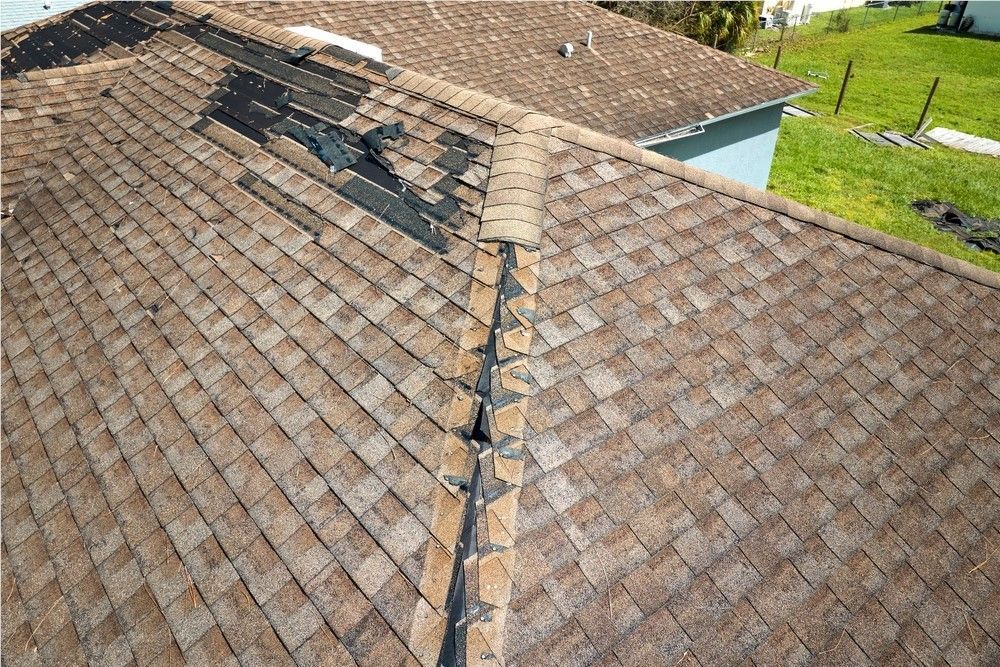
A complete roof replacement should begin with an evaluation of the current roofing system. The contractor should consider the roof’s age, visible deterioration, previous repairs, ventilation, flashing, drainage, penetrations, and accessible attic conditions.
The inspection may also help identify whether the visible problem is limited to the surface or whether underlying components require attention.
Existing roofing layers
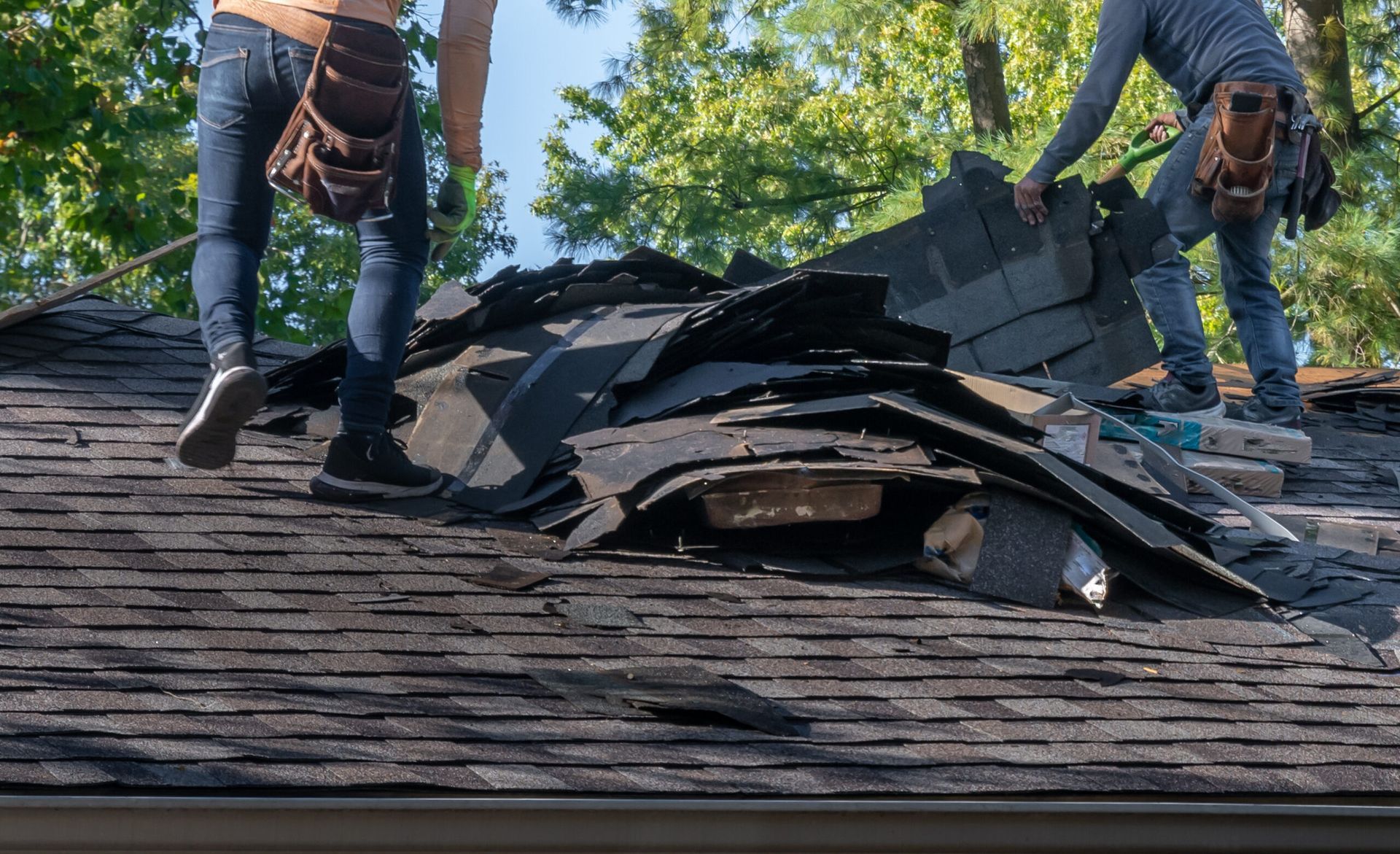
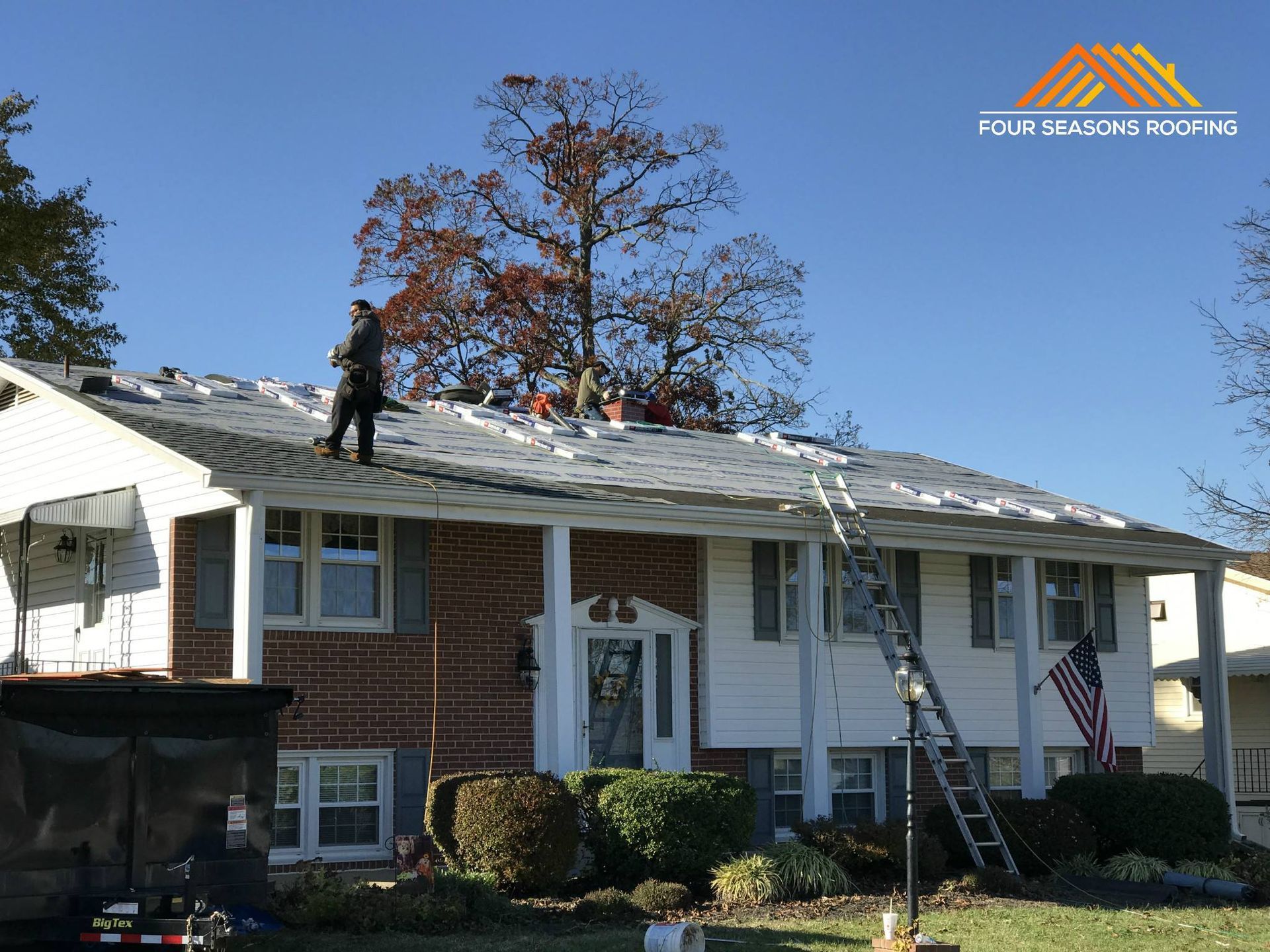
The project scope should state whether the existing roofing materials will be removed and how many layers may need to be torn off.
Removing the old materials allows the contractor to evaluate the roof deck and identify deterioration that would otherwise remain concealed. Multiple existing layers may also affect labor, disposal volume, project scheduling, and the overall cost of replacement.
The written proposal should explain:
- Which materials will be removed
- How debris will be collected
- Whether disposal is included
- How landscaping and exterior surfaces will be protected
- What happens if concealed damage is discovered
Roof decking evaluation and replacement terms
The roof deck creates the structural surface beneath the roofing materials. It must be sufficiently sound to support the new system and hold fasteners correctly.
Because portions of the decking may remain hidden until the old roof is removed, a contractor cannot always determine the exact amount of replacement decking in advance. However, the estimate should explain how damaged or deteriorated sections will be handled.
What homeowners should confirm
Before signing the proposal, ask:
- How damaged decking will be documented
- Whether a certain amount is included
- How additional decking will be priced
- Whether approval is required before additional work proceeds
- Which decking materials will be used
This helps prevent confusion if moisture damage, soft areas, or deteriorated wood are discovered during removal.
Underlayment and water protection
Underlayment provides a secondary protective layer between the roof deck and the primary roofing material. The appropriate product depends on the roofing system, manufacturer specifications, roof design, and applicable installation requirements.
Our roof replacement proposal identifyes the type of underlayment being installed rather than using a vague description such as standard materials.
Ice and water protection
Ice and water protection may be installed in vulnerable areas such as valleys, eaves, roof penetrations, and transitions. Its placement should follow the specifications of the selected roofing system and applicable requirements.
This protective layer does not replace proper shingles, flashing, or drainage. Instead, it provides additional protection in areas where water may be more likely to collect or move beneath the primary roofing surface.
Flashing and roof penetrations
Flashing helps protect the areas where the roof meets chimneys, walls, vents, skylights, valleys, and other transitions. These areas are common sources of water intrusion when the materials are damaged, incorrectly installed, or no longer compatible with the surrounding roof.
The project scope should explain whether existing flashing will be replaced, reused, or evaluated during installation.
Pipe boots, vents, and other details
The complete proposal will also identify how pipe boots, exhaust vents, intake ventilation, ridge vents, and other roof penetrations will be handled.
Simply installing new shingles around aging components may leave vulnerable areas within an otherwise new roof. Each penetration should be evaluated as part of the complete roofing system.
Attic ventilation as part of roof replacement
Roof replacement provides an opportunity to evaluate attic ventilation. Intake and exhaust components must work together to move air through the attic effectively.
Adding a ridge vent without sufficient intake ventilation may not correct an existing imbalance. Similarly, blocked soffits or an attic configuration with limited airflow may require a different approach.
Ventilation needs vary according to the roof design, attic layout, existing openings, insulation, and selected roofing system. The proposal should identify any ventilation components included in the work and explain why they are recommended.
Homeowners planning work locally can learn more about roof replacement in Owings Mills or explore roof replacement services in Pasadena.
Roofing materials and system accessories
The roofing material affects more than the home’s appearance. Each system may require specific underlayment, starter materials, fasteners, ventilation components, flashing details, and ridge or hip accessories.
The proposal will identify:
- The manufacturer
- Product line
- Material and color
- Underlayment
- Starter materials
- Ridge and hip components
- Ventilation products
- Applicable warranty options
Always be aware to avoid approving an estimate that identifies only a general material such as “architectural shingles” without specifying the actual product or system components.
Property protection and project cleanup
Roof replacement creates debris, dust, nails, packaging, and removed materials. Our team will explain how the property will be protected during the project.
Exterior protection
The installation plan may address:
- Driveways and material delivery areas
- Landscaping and exterior features
- Siding and windows
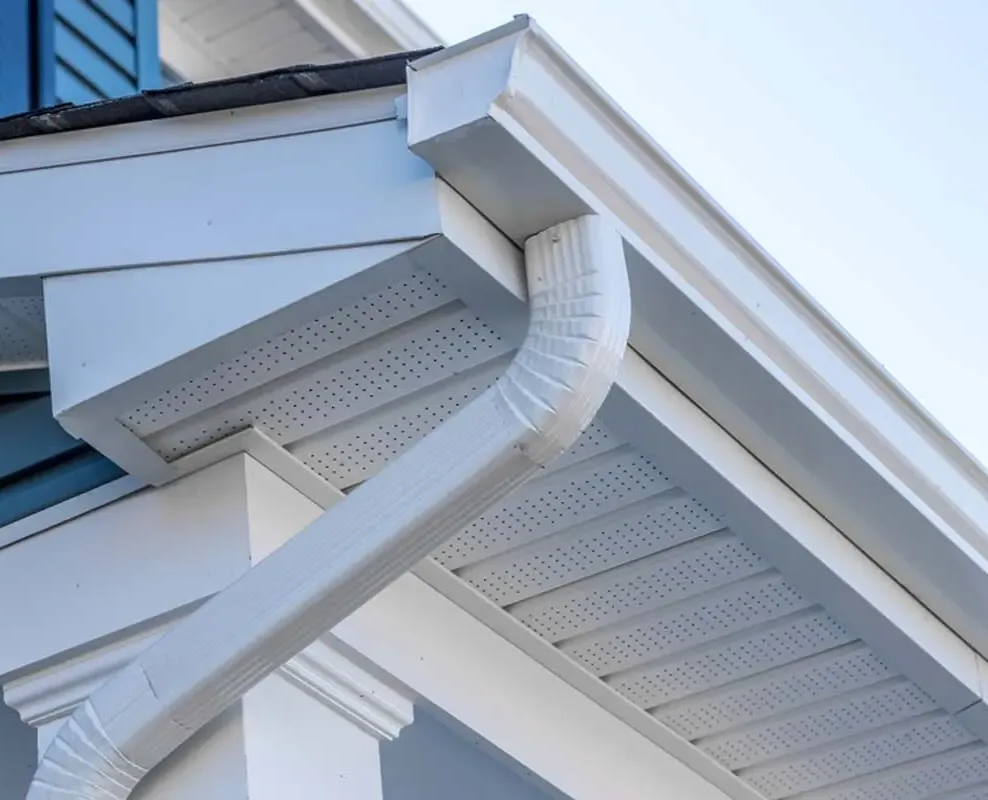
- Gutters and downspouts
- Decks, patios, and outdoor equipment
- Access around the property
Final cleanup and walkthrough
The proposal should also define how debris will be removed and whether magnetic nail collection is part of the cleanup process.
A final walkthrough gives the homeowner an opportunity to review the completed project, discuss installation details, and ask questions about maintenance and warranty documentation.
Workmanship and manufacturer warranties
Manufacturer coverage and contractor workmanship coverage are not necessarily the same.
Manufacturer warranties generally relate to eligible roofing products and may depend on correct installation, system components, registration, and maintenance requirements. Workmanship coverage relates to the contractor’s installation.
Homeowners should confirm:
- Which warranties apply
- Who provides each warranty
- How long the coverage lasts
- Whether registration is required
- Which exclusions or maintenance conditions apply
- Who should be contacted if a concern develops
Warranty terms should be provided in writing rather than explained only through a verbal conversation.
Questions to ask before approving the project
Before moving forward, ask the contractor:
- Is removal of the existing roofing system included?
- How will damaged decking be priced and documented?
- Which underlayment and water-protection products will be installed?
- Will flashing and roof penetrations be replaced?
- Is attic ventilation included in the evaluation?
- Which exact roofing products and accessories are specified?
- How will the property be protected?
- Are disposal and final cleanup included?
- What conditions could change the schedule or final cost?
Clear answers make it easier to compare proposals based on actual scope rather than price alone.
Plan a roof replacement before winter conditions arrive
A complete roof replacement should address the roofing system as a whole.
Decking, underlayment, flashing, ventilation, materials, property protection, cleanup, and warranty coverage all influence the final result.
Reviewing these details before winter can help homeowners understand the project, prepare for possible concealed conditions, and avoid approving an incomplete scope based only on the visible shingles.
Four Seasons Roofing helps Maryland homeowners evaluate roofing conditions and plan replacement projects based on the needs of the property.
Request a roof replacement estimate
Discuss the condition of your roofing system, available materials, project scope, and next steps with Four Seasons Roofing.