
FOUR SEASONS ROOFING
Reliable Roof Repair Services in Maryland
Common Roof Problems That Require Professional Repair
Many roofing problems begin as small issues that are easy to overlook. A missing shingle after a windstorm, minor flashing damage around a chimney, or a small roof leak may not seem urgent at first. Over time, however, these problems can allow moisture to enter the roofing system and lead to more extensive damage.
Our team repairs a wide range of roofing issues
Including: roof leaks, damaged shingles, deteriorated flashing, storm damage, ventilation concerns, and areas affected by water intrusion. Addressing these problems early can help extend the life of your roof and reduce the likelihood of larger repairs in the future.
Whether the damage is visible from the ground or discovered during a professional inspection, identifying the source of the problem is the first step toward protecting your home.
Common Roof Issues That Require Repair
Leaky Roofs – Stop Water Damage Before It Spreads
A leaking roof can lead to serious structural damage, mold growth, and ruined insulation if left unaddressed. Water stains on ceilings, damp walls, and attic moisture are all signs that a repair is needed immediately.
Common Causes:
✔ Damaged or missing shingles
✔ Clogged gutters causing water buildup
✔ Flashing deterioration around chimneys and vents
Missing or Damaged Shingles – Restore Your Roof’s Integrity
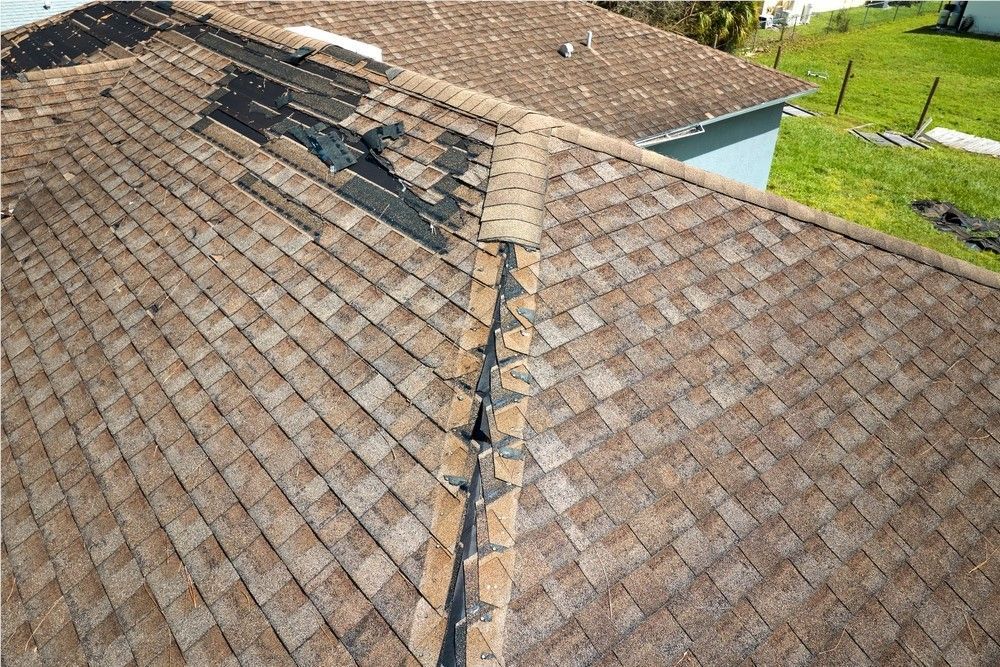
Shingles protect your roof from wind, rain, and UV rays, but over time, they can crack, curl, or fall off due to exposure and extreme weather. Replacing damaged shingles promptly prevents further deterioration.
Signs You Need Repair:
✔ Bald spots or missing granules on shingles
✔ Curling, cracking, or blistering shingles
✔ Patches of missing shingles after a storm
Flashing & Sealant Failures – Prevent Leaks Around Openings
Flashing and sealants are crucial for waterproofing areas around chimneys, vents, skylights, and dormers. When flashing becomes loose or corroded, water can seep into vulnerable areas, causing damage.
Roof Repair Solutions:
✔ Replacing or resealing flashing around critical areas
✔ Applying high-quality, weather-resistant sealants
✔ Checking for underlying structural issues caused by water intrusion
Storm Damage – Quick Response for Roof Emergencies
Severe weather can wreak havoc on your roof, causing sudden leaks, torn shingles, and even structural damage. High winds, hail, and heavy rain can leave your home vulnerable to further deterioration if not repaired quickly.
Emergency Roof Repairs Include:
✔ Temporary tarping to prevent further damage
✔ Replacing storm-damaged shingles and roofing materials
✔ Inspecting for hidden damage that could worsen over time
Why Prompt Roof Repairs Matter
Delaying roof repairs can allow small problems to develop into larger and more costly issues. Water entering through a damaged section of the roof may affect insulation, attic spaces, ceilings, walls, and other structural components. Over time, continued exposure to moisture can impact indoor comfort and increase repair costs.
Prompt repairs help maintain the integrity of the roofing system while protecting the home from ongoing weather exposure. Addressing roofing concerns early can also improve energy efficiency, support proper ventilation, and help maximize the lifespan of existing roofing materials.
For homeowners looking to protect their investment, proactive roof maintenance and timely repairs often provide significant long term benefits.
Frequently Asked Questions About Roof Repair
1. How do I know if my roof needs repairs?
Common signs your roof needs repairs include:
Leaks or water stains on ceilings or walls
Missing, curled, or cracked shingles
Sagging or soft spots on the roof
Moss or algae growth
Higher energy bills (which may indicate poor insulation due to roof damage)
2. How much does roof repair cost?
The cost of roof repairs depends on the extent of the damage, materials used, and labor required. Minor repairs, such as replacing a few shingles, may cost a few hundred dollars, while more extensive damage (like leaks or structural issues) can cost more. We provide free estimates with no hidden fees.
3. How long does a roof repair take?
Most roof repairs can be completed within a few hours to a day. Larger repairs, such as fixing widespread leaks or structural damage, may take longer. Our team works efficiently to minimize disruptions to your home.
4. Will my homeowners insurance cover roof repairs?
If the damage is caused by a storm, fallen tree, or other covered event, insurance may cover some or all repair costs. However, repairs due to wear and tear or lack of maintenance are usually not covered. We can help you assess the damage and guide you through the claims process if needed.
If the damage is caused by a storm, fallen tree, or other covered event, insurance may cover some or all repair costs. However, repairs due to wear and tear or lack of maintenance are usually not covered. We can help you assess the damage and guide you through the claims process if needed.
5. Can I repair my roof myself?
While small fixes like replacing a shingle may seem simple, DIY roof repairs can be dangerous and may lead to further damage if not done correctly. Hiring a professional ensures safety, quality work, and warranty protection.
6. What happens if I delay roof repairs?
Delaying repairs can lead to:
Water damage and mold growth inside your home
Higher energy bills due to poor insulation
Structural damage that requires costly fixes
Shortened roof lifespan, leading to premature replacement
7. How often should I have my roof inspected?
We recommend having a professional roof inspection at least once a year and after severe weather events. Regular inspections help catch small problems before they become expensive repairs.
8. Do you offer emergency roof repair services?
Yes! If your roof suffers sudden damage from a storm, falling debris, or leaks, we offer emergency repair services to quickly secure your home and prevent further damage.
9. How can I prevent future roof damage?n
To keep your roof in top shape:
✔ Clean gutters regularly to prevent water buildup
✔ Trim overhanging tree branches that could cause damage
✔ Inspect your roof after storms for missing shingles or leaks
✔ Schedule annual roof maintenance to catch minor issues early
Roofing certifications
GAF Certified:
Four Seasons Roofing meets the rigorous standards of GAF certification, ensuring expert installation with high-quality, industry-leading roofing materials.
CertainTeed Master Shingle Applicator:
With CertainTeed Master Shingle Applicator credentials, Four Seasons Roofing delivers precision craftsmanship and advanced roofing solutions backed by top-tier training.
Owens Corning Preferred Contractor:
Owens Corning Preferred Contractor: Earning Owens Corning Preferred status means Four Seasons Roofing provides durable, energy-efficient roofing systems with superior warranty protection.
Duro-Last Certified Installers:
As certified Duro-Last installers, Four Seasons Roofing specializes in durable, high-performance commercial roofing solutions built to last.