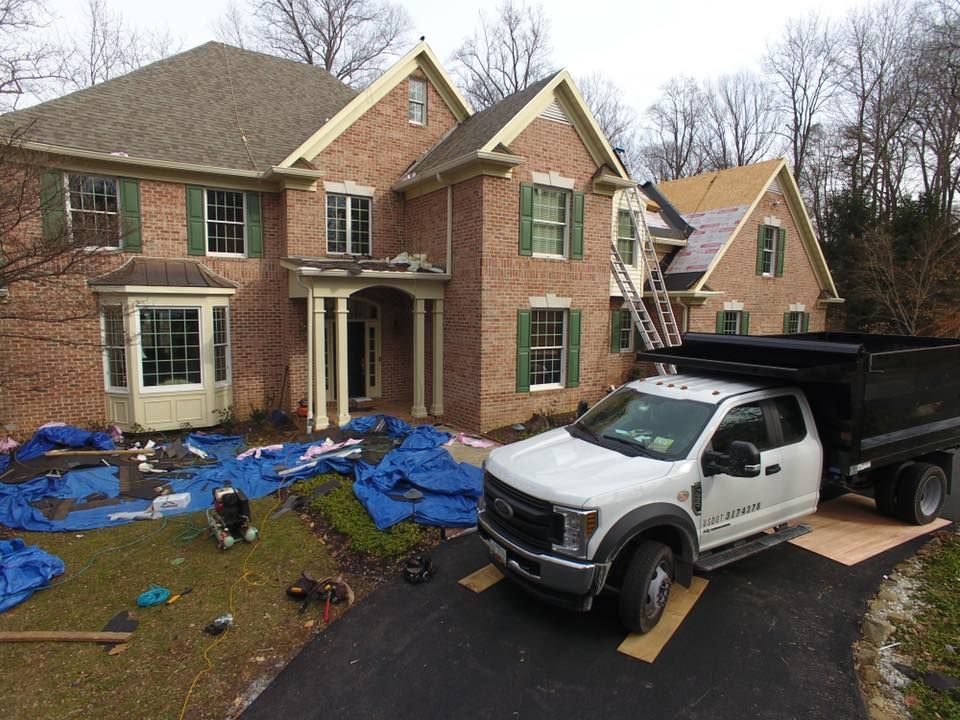
Storm Damage Warning Signs Homeowners Should Watch For
After a strong storm, the first thing many homeowners do is check the yard, the gutters, and maybe the ceiling. But roof storm damage is not always obvious from the ground. A few lifted shingles, a small leak in the attic, or a new stain on the ceiling can be the first sign that your roof needs attention before the next round of rain makes the problem worse.
Imagine waking up after a night of heavy wind in Maryland. There are branches on the lawn, the gutters look uneven, and one room has a faint damp smell. Nothing looks dramatic, but something feels off. That is exactly when it helps to know what warning signs to look for and when to call a roof repair specialist.
Four Seasons Roofing helps homeowners identify storm-related roof damage, understand what needs urgent attention, and get the right repair plan from a licensed roofing contractor.
Roof Storm Damage Warning Signs You Should Not Ignore
Storm damage can show up in small ways before it becomes a serious leak. Some signs are visible outside, while others appear inside the home days later.
Watch for these warning signs:
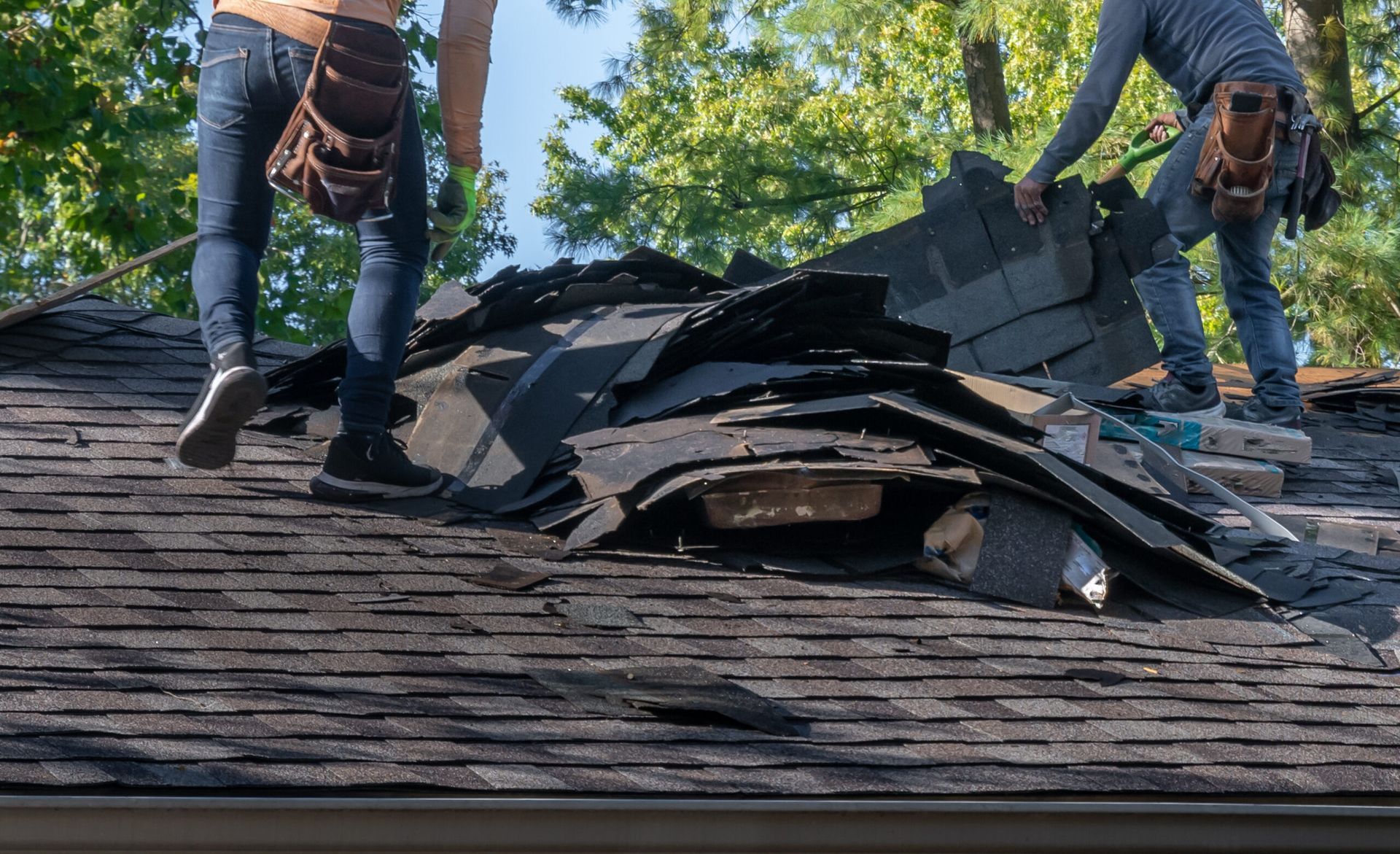
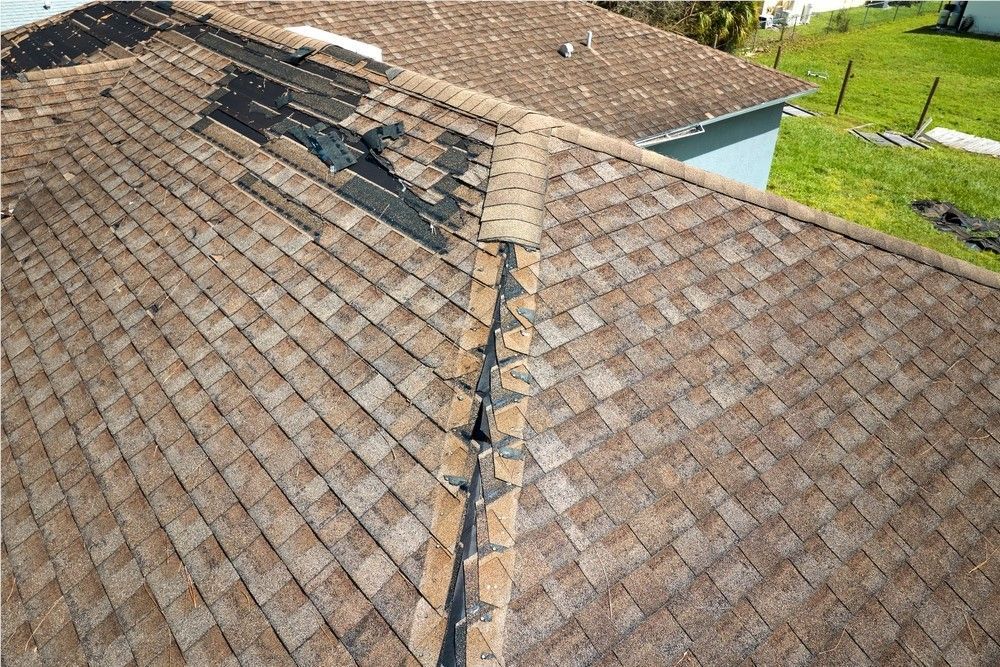
- Shingles missing, lifted, curled, or scattered in the yard
- New ceiling stains or water marks after rain
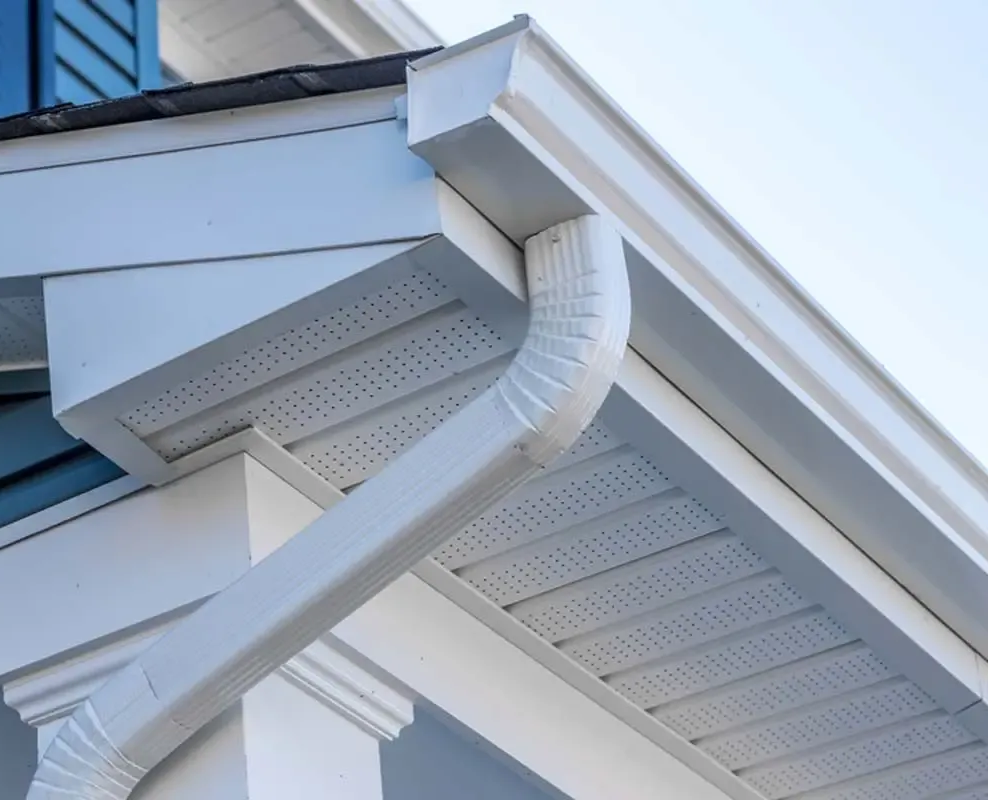
- Granules collecting in gutters or near downspouts
- Branches, debris, or impact marks on the roof
- Damp insulation or musty smells in the attic
Even if the roof is not actively leaking, these signs can mean the protective surface has been weakened. A roofer can inspect the damage and explain whether repair is needed now or whether the roof can be monitored.
Why Small Storm Damage Can Become a Bigger Problem
A storm does not have to tear off a large section of roof to create trouble. Sometimes the problem starts with one lifted shingle, a small flashing gap, or a spot where wind pushed rain under the roofing materials. At first, it may not look serious from the ground, but water can travel along wood framing before it finally appears on a ceiling or wall.
That is why homeowners should take roof storm damage repair seriously, even when the signs seem minor. A few missing shingles may mean part of the roof surface is exposed. If another storm comes through before the area is repaired, water can reach the underlayment, decking, insulation, or attic space.
A ceiling stain after rain is another warning sign that should not be ignored. The stain may look small, but it usually means water has already found a path into the home. In that situation, calling a roof repair specialist can help identify where the leak started and stop it before the damage spreads.
Other signs can show up outside the home. Granules collecting in gutters or near downspouts may mean the shingles are wearing down or were damaged by heavy weather. If a branch hit the roof, there may be cracked shingles, a puncture, or hidden impact damage that is not safe for a homeowner to inspect alone.
Damp attic insulation is also a concern because it often points to a hidden leak. By the time moisture reaches the attic, the roof may have been allowing water in for longer than expected. A quick inspection after a storm can help catch these problems early and prevent a small repair from turning into emergency roof repair later.
When Storm Damage Becomes an Emergency Roof Repair
Some roof problems can wait for a scheduled appointment, but others need faster attention. If water is actively entering your home, the roof has an open puncture, or damage is close to electrical areas, it should be treated as urgent.
Emergency roof repair may be needed when:
- Water is dripping from the ceiling or attic.
- A tree limb has punctured the roof.
- Shingles are missing before more rain is expected.
- A leak is near lights, outlets, or wiring.
- The roof looks sagging, soft, or unsafe.
Homeowners should not climb onto a wet or damaged roof. The safest next step is to protect belongings inside, take photos if possible, and call a licensed roofing contractor for help.
What a Roof Repair Specialist Checks After a Storm
A roof repair specialist looks beyond the obvious damage. The missing shingle may be easy to see, but the real issue could include damaged flashing, loose vents, exposed underlayment, or water movement inside the attic.
During a storm damage inspection, a roofing contractor may check the shingles, flashing, gutters, vents, attic, and nearby exterior areas. They may also look for signs of impact from branches, wind-lifted materials, or water trails that show where moisture entered.
This matters because roof leaks are not always directly above the ceiling stain. Water can travel before it becomes visible, which is why guessing from inside the home is not enough.
What Homeowners Should Do After a Storm
After the storm passes, a calm, simple checklist can help you respond without putting yourself at risk.
Start with these steps:
- Walk around the property and look for shingles or debris.
- Check ceilings, walls, and attic areas for moisture.
- Take photos of visible damage for your records.
- Move valuables away from any active leak.
- Call Four Seasons Roofing for a professional inspection.
If the damage looks serious, ask whether same-day help is available. A same day roofer may be able to provide temporary protection or begin urgent repairs depending on the weather, safety conditions, and roof access.
Why Choose Four Seasons Roofing for Roof Storm Damage Repair
Storm damage is stressful because homeowners often do not know how serious the problem is. Four Seasons Roofing helps Maryland homeowners get clear answers after wind, rain, hail, or falling debris affects the roof.
Whether you need emergency roof repair, a roof repair specialist, or guidance from a licensed roofing contractor, the goal is the same: protect the home before the damage spreads. Four Seasons Roofing can inspect the roof, explain what happened, and recommend the right repair path.
If your roof was damaged in a storm,
call Four Seasons Roofing today to schedule roof storm damage repair or request fast help from a professional roofer.