When Does Roof Damage Become a Roofing Emergency?
A small roof issue can turn into an emergency when water starts entering the home, structural areas are exposed, or storm damage creates an immediate safety risk. For homeowners, the hardest part is knowing whether to wait for a scheduled appointment or call for emergency roof repair right away.
Picture a Maryland homeowner after a heavy storm. The rain has slowed down, but there is a new stain spreading across the ceiling. A few shingles are in the yard, and water is dripping near a light fixture. In that moment, roof damage is no longer just a maintenance concern. It needs fast attention from a roofer who can protect the home before the damage spreads.
Four Seasons Roofing helps homeowners understand when roof damage requires urgent service and when a standard inspection may be enough. If you see active leaking, storm damage, or exposed roofing materials, calling a licensed roofing contractor quickly can help prevent a much bigger repair.
Call Four Seasons Roofing today if you need emergency roof repair or fast help from a roof repair specialist.
Signs Roof Damage Has Become an Emergency
Roof damage becomes an emergency when it threatens the inside of the home or creates a safety concern. Some problems can wait a short time for inspection. Others should be handled as soon as possible.
Call a roofer quickly if you notice:
- Water dripping inside the home
- A ceiling stain that grows after rain
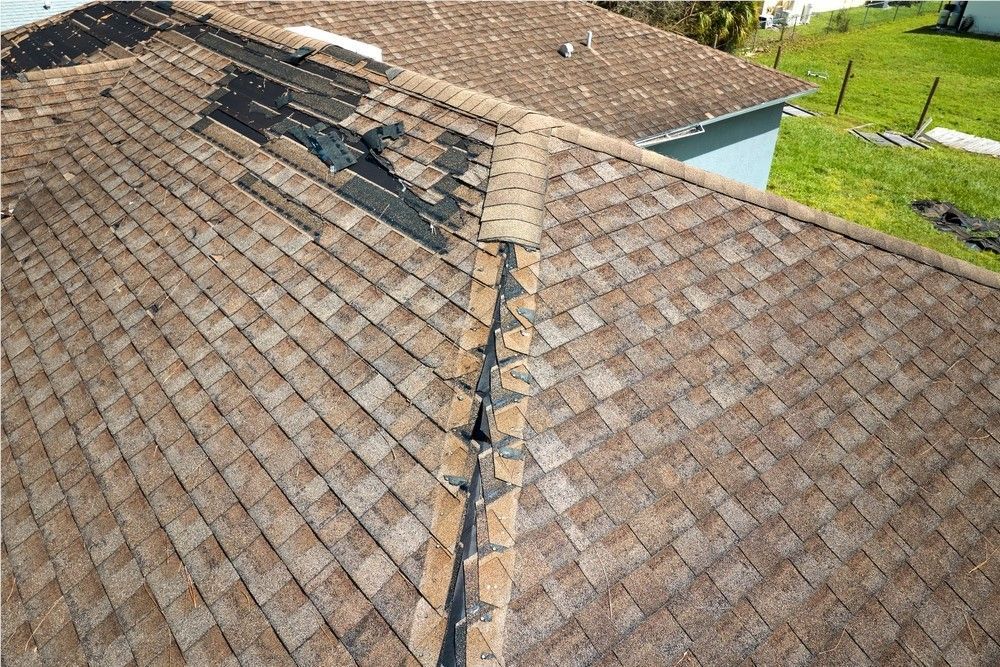
- Missing shingles after a storm
- Sagging or soft areas on the roof
- Damage near electrical fixtures or attic wiring
A leak does not have to be large to be serious. Even a slow drip can move through insulation, drywall, and framing before the homeowner sees the full problem.
Common Causes of Emergency Roof Repair
Roofing emergencies often happen after strong weather, but storms are not the only cause. Older roofs, poor flashing, clogged drainage, and neglected repairs can all create urgent problems.
Storm Damage After Heavy Wind or Rain
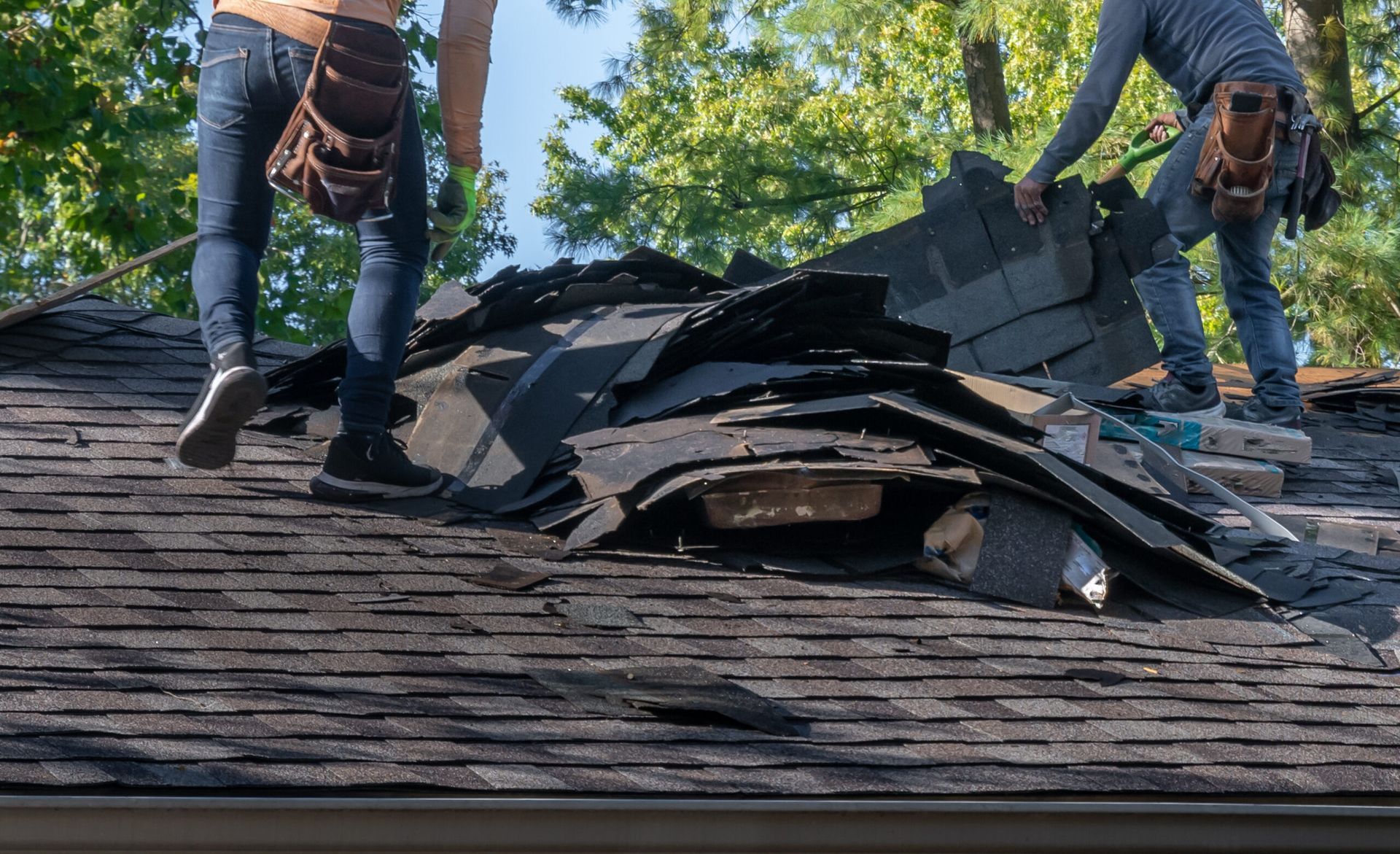
Roof storm damage repair may be needed when high winds lift shingles, falling branches puncture the roof, or heavy rain pushes water beneath damaged materials. After a storm, homeowners should check the attic, ceilings, gutters, and yard for signs that something changed.
If shingles are missing or roof decking is exposed, do not wait for the next rain. Exposed areas can let water in quickly.
Active Leaks Inside the Home
Active leaking is one of the clearest signs that roof damage needs immediate attention. Water entering through the ceiling, attic, walls, or around vents can spread fast.
If water is close to lights, outlets, or wiring, the situation can become more serious. Homeowners should avoid touching wet electrical areas and call for professional help.
What a Roof Repair Specialist Looks For
A roof repair specialist does more than patch the visible leak. The goal is to find where water is entering, how far it has traveled, and whether the roof has hidden damage.
During an emergency inspection, a licensed roofing contractor may look for:
- Missing, cracked, or lifted shingles
- Damaged flashing around chimneys or vents
- Soft decking or sagging roof areas
- Water trails in the attic
- Storm impact from branches or debris
This matters because the place where water appears inside the home is not always where the roof is damaged. Water can travel along framing before showing up on a ceiling.
When a Same Day Roofer May Be Needed
A same day roofer may be needed when waiting could allow the damage to spread. This does not always mean the full repair will be completed immediately, especially if the weather is still unsafe. In many cases, the first priority is to stop more water from entering the home and stabilize the damaged area until a permanent repair can be completed.
For example, a small ceiling stain with no active drip may not feel like an emergency, but it still deserves attention before the next rain. Scheduling an inspection soon can help identify the source of the problem before it turns into a larger leak.
The situation becomes more urgent when water is actively dripping indoors. At that point, the roof is no longer just showing signs of damage; it is allowing moisture into the home. Calling for emergency roof repair can help protect ceilings, insulation, flooring, and personal belongings from further damage.
Storm damage can also require fast action, especially when shingles are missing or roof decking is exposed. If more rain is expected, even a small open area can allow water to enter quickly. A roof repair specialist can inspect the affected area and recommend whether temporary protection or immediate repair is needed.
Some situations should be treated as urgent from the start. If a branch has punctured the roof, homeowners should avoid the damaged area and call a roofer right away. The same is true if a leak appears near electrical fixtures, lights, outlets, or attic wiring. In those cases, safety comes first, and the damage should be reviewed by a licensed roofing contractor as soon as possible.
What Homeowners Should Do Before Help Arrives
Maryland homes can experience roof damage from heavy rain, wind, falling branches, snow, and seasonal storms. If you are hiring a roofing company after a leak or storm, ask how they identify the source of damage and what repair options are available.
This is especially important if water has already entered the home.
Why Choose Four Seasons Roofing for Emergency Roof Repair
Four Seasons Roofing helps Maryland homeowners respond quickly when roof damage becomes urgent. Whether the issue comes from storm damage, missing shingles, active leaking, or an unexpected roof failure, the right response can help limit interior damage and protect the home.
A roofing emergency can feel stressful because homeowners often do not know how serious the damage is. That is why working with an experienced roof repair specialist matters. Four Seasons Roofing can inspect the damage, explain the next step clearly, and recommend the right repair approach.