Gutter Installation in Glen Burnie: Preparing Roof Drainage for Heavy Rain and Freeze-Thaw Weather

November 9, 2026

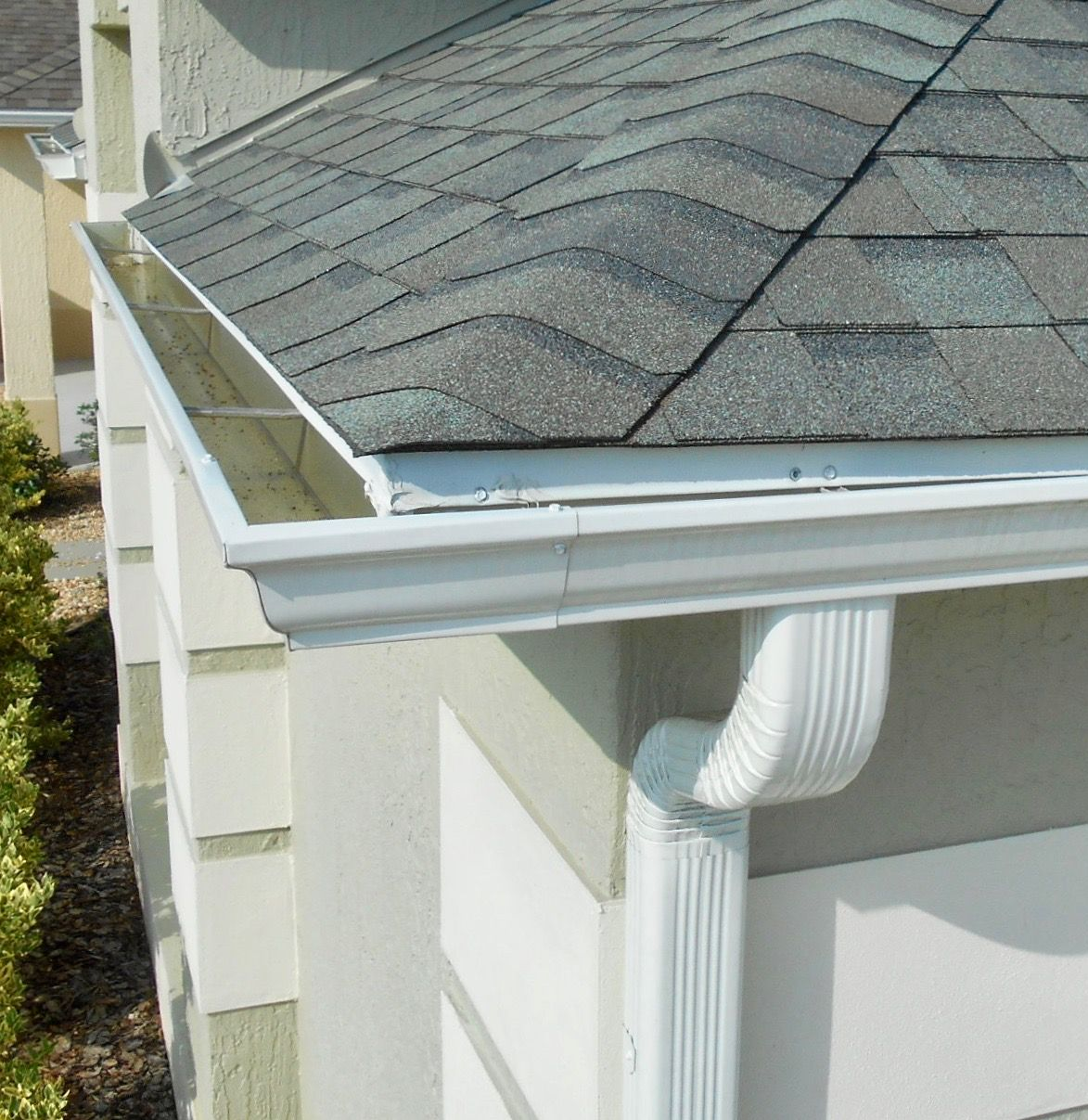
Rainwater needs a continuous path from the roof to a suitable discharge point away from the house. A gutter can appear straight and secure on a dry day while its capacity, slope, or outlet arrangement limits drainage during a downpour.


Gutter installation planning in Glen Burnie, MD needs to account for both heavy rainfall and periods when temperatures move above and below freezing. Those conditions place different demands on the system: rain requires sufficient drainage capacity, while colder weather makes trapped water and obstructed outlets particularly important.


At Four Seasons Roofing, we approach gutter installation as part of the home’s exterior protection. The recommendation should connect the roof’s runoff patterns with properly supported gutters, effective downspouts, and a suitable destination for the water.


Heavy Rain Requires Capacity Throughout the System

Gutter capacity depends on more than the width of the channel. The roof area draining into each section, the concentration of runoff, and the available outlets all influence how much water the system can manage.


A long gutter serving a broad roof slope has different requirements from a short section receiving concentrated water from intersecting roof surfaces. The installation plan needs to reflect those differences.


Larger Gutters Still Need Suitable Outlets

A wider gutter cannot compensate for an outlet or downspout that restricts the flow leaving it. These components need to work together.


For a Glen Burnie home with an addition, porch, or several roof levels, the evaluation also needs to consider how those sections connect. An upper downspout may deliver water to a lower roof, changing the amount of runoff the receiving gutter must handle.


A recommendation based on the complete drainage path is more useful than selecting the same gutter size for every roof edge.


Consistent Slope Helps Limit Retained Water

A gutter needs a controlled slope toward its outlets. Low spots can hold water after the rest of the system has drained, even when the channel is free of obvious debris.


That retained water matters during changing temperatures. A section that repeatedly holds water may become a location where ice forms when temperatures fall.


Alignment and Support Affect Drainage Together

Gutter slope depends on secure, suitable attachment points. A channel that shifts or sags can lose its intended drainage pattern.


The condition of the fascia—the board along the roof edge where many gutters attach—therefore matters before installation. New gutters require a sound supporting surface. Visible deterioration or concealed damage discovered during removal may change the necessary preparation work.


The purpose is to establish a stable installation that maintains its alignment, rather than covering an attachment problem with new material.


Downspout Discharge Deserves Particular Attention in Glen Burnie

Collecting roof runoff is only part of protecting the house. The water also needs a suitable place to go after it reaches the bottom of the downspout.


For Glen Burnie properties in Anne Arundel County, discharge planning needs to account for the foundation, nearby property boundaries, sidewalks, and the road. County guidance cautions against directing downspout flow onto adjacent or county property.


Moving Water Away Should Not Create Another Problem

An outlet beside an entrance may send water across a frequently used walkway. A discharge point near a low area may allow runoff to collect close to the house.


Those arrangements deserve consideration before downspout locations are finalized, particularly where runoff could freeze across a walking surface.


An existing underground connection also requires confirmation of its destination and condition. Connecting a new downspout to an unidentified pipe does not establish that water will drain properly. Any separate underground drainage or grading work needs its own defined scope.


Freeze-Thaw Weather Makes Clear Drainage Paths More Important

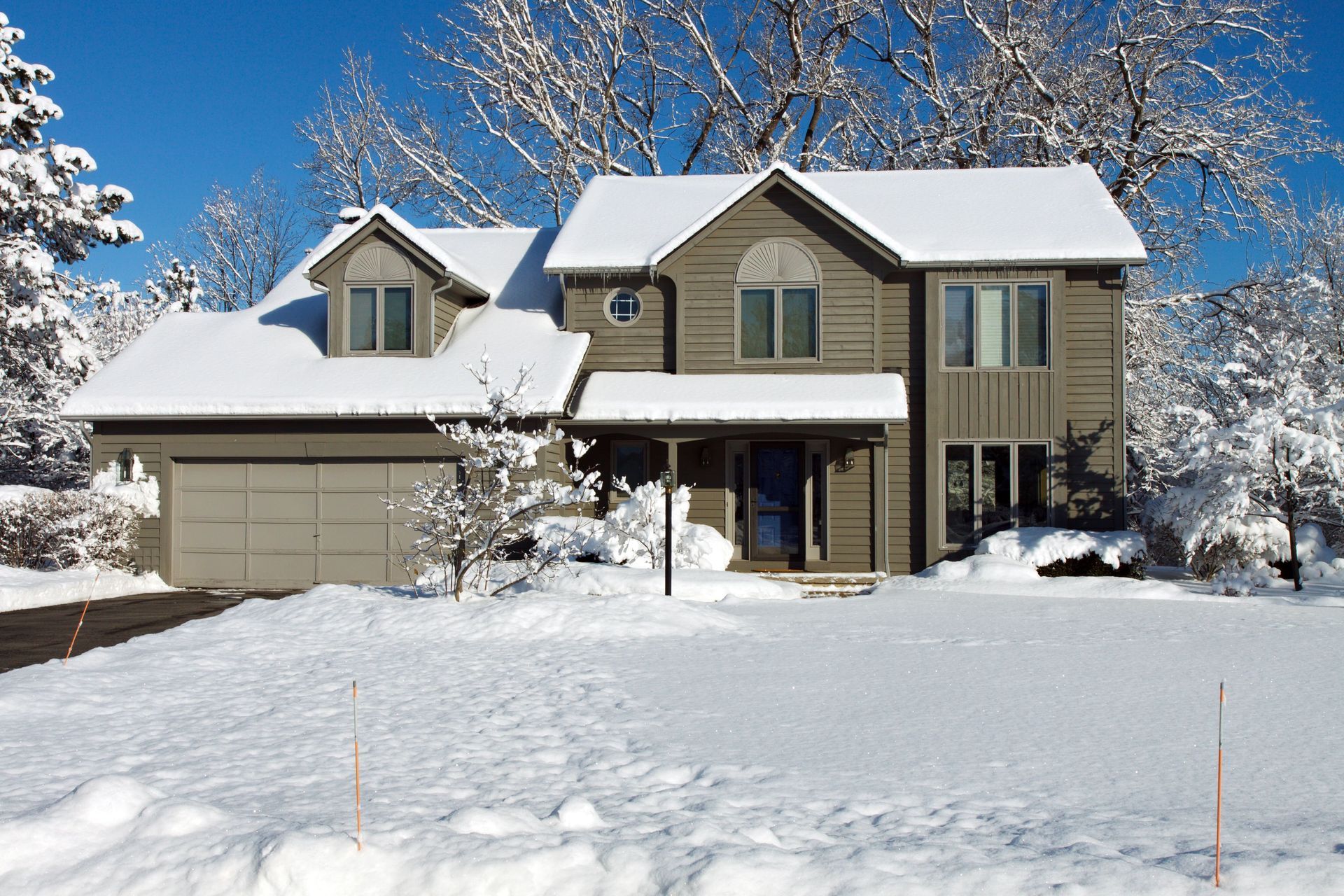
The Baltimore-area winter can bring rain, mixed precipitation, and freezing conditions. For roof drainage, the important issue is whether water can leave the system before colder temperatures restrict that path.


Standing water, accumulated debris, and blocked outlets can interfere with drainage. Ice may then occupy space needed for later runoff or melting snow.


Gutter Performance and Ice Dams Are Different Concerns

A functioning gutter system supports drainage, but new gutters alone do not prevent roof ice dams.


Ice dams can develop when snow melts on a warmer roof surface and refreezes near a colder edge. That condition may involve heat escaping into the attic and the performance of the roof assembly.


The distinction keeps the recommendation accurate. Gutter installation can address drainage deficiencies, while recurring roof-edge ice may require a broader roofing evaluation. A promise of an “ice-free” system would overlook those connected conditions.


Do Your Gutter Layout Match the Water Your Roof Collects?

Explore Four Seasons Roofing’s gutter installation, repair, and protection services to discuss capacity, outlets, and existing drainage concerns. A property-specific recommendation can distinguish a targeted correction from a broader installation project.


Seamless Construction Still Depends on Installation Details

Four Seasons Roofing installs custom-fit seamless gutter systems. Fewer joints along a gutter run reduce potential leakage points compared with a system assembled from multiple short sections.


Corners, outlets, end caps, and downspout connections still need careful attention. Seamless construction is one part of performance; it does not replace correct sizing, alignment, or attachment.


Material Selection Should Reflect the Property

The company’s gutter options span aluminum, copper, and galvanized steel. Appearance, material characteristics, maintenance expectations, and compatibility with surrounding components help guide the selection.


The appropriate choice depends on the house and the proposed installation. Material alone cannot correct an undersized outlet or an unsuitable discharge location.


A clear recommendation explains both what will be installed and how the arrangement will manage runoff.


Gutter Guards Address Debris Without Replacing Maintenance

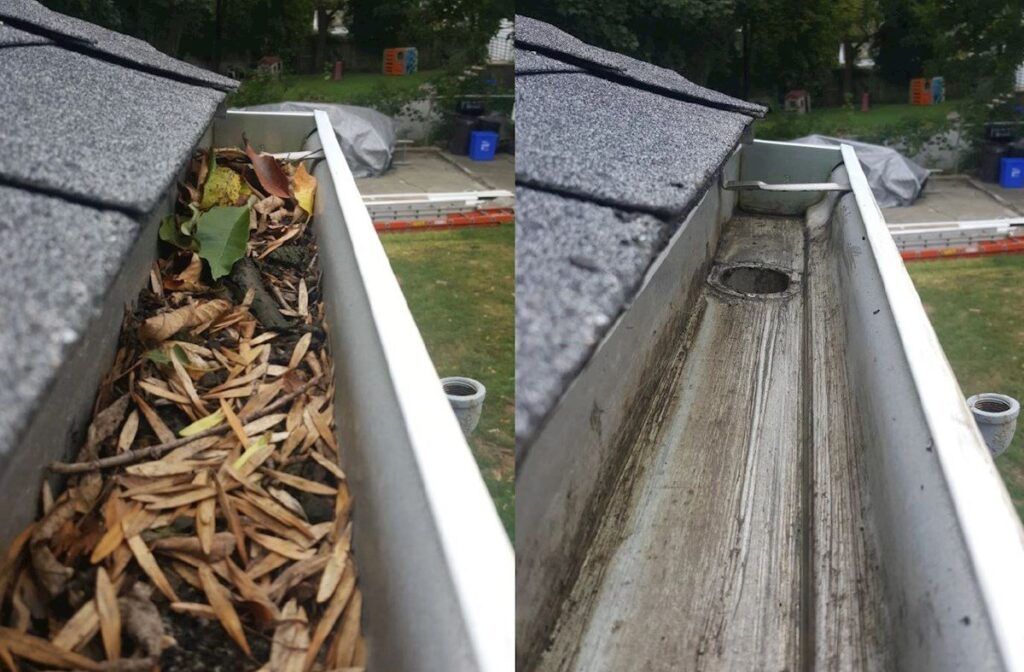
Leaves, twigs, and other debris can restrict the space available for water. Where nearby vegetation contributes recurring buildup, gutter guards may be worth considering as part of the installation discussion.


Four Seasons Roofing offers gutter guard systems designed to reduce debris entering the channel. Their suitability depends on the roof, gutter configuration, and the type of material reaching the system.


Protection Does Not Mean Maintenance-Free Operation

Guards do not correct improper slope, damaged attachments, or inadequate downspout capacity. They also do not eliminate the need for periodic attention.


A practical maintenance plan considers the gutter openings, outlets, roof surface, and accessible inspection points. The proposed guard system should support that plan rather than make future servicing unnecessarily difficult.


This keeps the decision focused on manageable upkeep and drainage performance, without promising that one accessory will resolve every seasonal concern.


Installation Timing Should Account for Weather and Related Roof Work

Gutter replacement can often proceed independently when the roof edge, fascia, and surrounding materials remain suitable. When roofing work is also planned, the sequence deserves attention before installation dates are confirmed.


Removing or replacing roof-edge materials later may disturb newly installed gutters. Coordinating the work can help establish which components need attention first.


Seasonal Scheduling Needs Realistic Conditions

Rain, ice, access limitations, and the condition of the supporting materials can affect installation timing. Certain preparation or sealing tasks also depend on the requirements of the selected products.


For homeowners considering roofing and exterior improvements in Glen Burnie, a coordinated scope helps separate necessary roof work from gutter work that can proceed on its own.


The schedule should reflect the confirmed work and site conditions. Planning ahead creates room to resolve those details without promising completion during unsuitable weather.


Long-Term Protection Requires a Clear Installation Scope

A useful gutter proposal explains the drainage arrangement as well as the visible materials. Gutter runs, outlet positions, downspout routes, and discharge locations should be understandable before work begins.


Removal responsibilities, fascia preparation, gutter guards, and any related repairs also need clear treatment. Additional work should be identified specifically rather than assumed to be part of the quoted installation.


The Final Walkthrough Connects the Work With Future Care

Four Seasons Roofing’s published process ends with a walkthrough. For a gutter project, that conversation is an opportunity to review the completed arrangement and clarify maintenance expectations.


Homeowners benefit from understanding where each downspout discharges, which areas need periodic attention, and which existing conditions fall outside the gutter project.


A well-planned installation gives roof runoff a deliberate route around the home. In Glen Burnie, MD, that means preparing for heavy rain while accounting for the drainage restrictions that colder weather can create.


Is Your Glen Burnie Home Ready for a Better Gutter Drainage Plan?

Request a free estimate from Four Seasons Roofing to discuss gutter installation, downspout placement, and the conditions affecting your home. The next step is a recommendation based on the roof, the existing system, and the property below it.


RELATED GUTTER DRAINAGE AND WINTER ROOF PROTECTION RESOURCES
November 25, 2026
Four Seasons Roofing explains seamless gutter sizing, downspout placement, and drainage planning to help homeowners prepare for winter rain and snowmelt.
November 17, 2026
Learn when Duro-Last roofing may suit a Maryland commercial property, with guidance on roof condition, drainage, rooftop equipment, and project scope.
November 6, 2026
Plan roof replacement in Sykesville with Four Seasons Roofing. Explore how roof age, property access, and seasonal conditions shape project timing.
October 28, 2026
Learn why gutter overflow may be connected to roof-edge flashing, fascia, downspouts, or gutter alignment and when to request an evaluation.
October 20, 2026
Siding is the visible exterior finish of a home, but it is not the only component responsible for managing water and protecting the walls beneath it. Effective moisture control depends on how the siding, flashing, trim, exterior barrier, windows, doors, and other transitions work together. These details become especially important during fall and winter. Wind-driven rain, changing temperatures, melting frost, and repeated moisture exposure can reveal weaknesses that may not be obvious during dry weather. At Four Seasons Roofing, we evaluate siding as part of the home’s complete exterior system. Our siding installation and replacement services in Maryland consider the condition of the existing materials, vulnerable transitions, water-management details, and the requirements of the property. Siding is designed to manage exterior exposure Siding helps protect the walls from direct exposure to rain, wind, sunlight, and changing temperatures. However, siding is not intended to function as the home’s only moisture-control layer. Small amounts of water may move behind exterior siding through joints, seams, penetrations, or areas exposed to wind-driven rain. The exterior system should be designed to manage that moisture and direct it away from the underlying structure. Why surface appearance is only part of the evaluation Siding can appear acceptable from a distance while concerns develop around: Windows and doors Roof-to-wall transitions Utility penetrations Exterior corners Lower wall sections Deck and porch connections Areas with previous repairs Damaged or deteriorated trim A professional evaluation should consider these transitions rather than looking only at the broad siding panels. What is located behind the siding? The materials behind siding vary according to the age of the home, construction method, previous exterior work, and current siding system. Depending on the property, the wall assembly may include: Structural sheathing A water-resistant exterior barrier Flashing around openings and transitions Insulation components Furring or drainage materials Fasteners and attachment points Interior wall materials The condition of these components may not be fully visible until sections of the existing siding are removed. Why concealed conditions affect the project scope If moisture has moved behind damaged or incorrectly installed siding, the underlying materials may show staining, softness, deterioration, or previous patching. Before a siding replacement project begins, homeowners should understand how concealed conditions will be documented, priced, and addressed if they are discovered. At Four Seasons Roofing, we explain which conditions can be evaluated in advance and which may only become visible during removal. Exterior barriers help manage water An exterior water-resistant barrier may be installed behind the siding as part of the wall assembly. Its purpose is to help manage moisture that passes beyond the visible exterior finish. The barrier must connect correctly with flashing, openings, and penetrations. Simply placing a barrier behind new siding does not guarantee proper moisture management if the transitions are incomplete or incorrectly integrated. Installation details matter Important areas may include: Overlaps between barrier sections Connections around windows and doors Lower wall drainage points Roof and siding intersections Corners and exterior penetrations Transitions between different materials The exact requirements depend on the home and the selected siding system. We evaluate the existing conditions and determine which details should be addressed within the project scope. Flashing protects vulnerable transitions Flashing is used to help direct water away from openings, joints, and other vulnerable areas. It is particularly important where siding meets windows, doors, rooflines, decks, porches, and horizontal trim. When flashing is missing, damaged, or incorrectly positioned, water may travel behind the siding instead of being directed toward the exterior. Window and door openings Windows and doors create interruptions in the exterior wall. These openings require careful attention because water may collect at the top, sides, or lower corners. Warning signs around an opening may include: Staining near interior or exterior trim Soft or deteriorated trim Gaps where materials meet Peeling paint Swelling around the opening Discoloration after heavy rain Previous layers of patching or sealant Adding more surface caulk may temporarily cover a visible gap, but it may not correct an underlying flashing or drainage problem. Siding and the roofline must work together Water leaving the roof should move into the gutter system and away from the exterior walls. If roof edges, flashing, gutters, or downspouts are not performing correctly, the siding may receive more moisture than intended. Repeated overflow or concentrated runoff can affect: Fascia and soffit areas Upper siding sections Exterior corners Window and door openings Lower wall sections Foundation areas A siding concern may therefore be connected to the roofing or drainage system. We evaluate how these components interact before recommending a solution. How colder weather reveals siding problems Cold weather does not automatically damage properly installed siding. However, temperature changes can make existing installation problems or deterioration easier to notice. Homeowners may observe: Loose or visibly moving panels Cracked or broken sections Open joints around trim Interior drafts near exterior walls Moisture staining after storms Peeling paint around openings Areas where previous repairs have separated These signs do not all have the same cause. The condition may involve the siding itself, fastening, trim, flashing, moisture behind the wall, or movement within the structure. When siding replacement should be considered Not every isolated siding concern requires replacement of the complete exterior. A small damaged section may sometimes be addressed locally when compatible materials are available and the surrounding system remains in suitable condition. Broader siding replacement may be considered when: Damage appears across multiple elevations The existing siding has widespread deterioration Water-management details require substantial correction Repairs would create inconsistent materials or appearance The siding no longer remains secure Multiple openings and transitions show problems The homeowner is planning a larger exterior improvement Our role is to evaluate the visible conditions, explain the available options, and help the homeowner understand whether a localized solution or broader replacement is more appropriate. Siding replacement should include a clear scope A siding proposal should explain more than the color and visible material. Homeowners should understand how the contractor will handle removal, preparation, transitions, trim, cleanup, and concealed conditions. H3: Questions homeowners should ask Before approving a siding replacement project, ask: Will the existing siding be removed? How will the underlying wall condition be evaluated? How will concealed deterioration be documented? Which exterior barrier or moisture-management details are included? How will flashing around windows and doors be handled? Which trim components are included? How will siding connect with the roofline and gutters? What will happen around utilities and exterior penetrations? How will debris and removed materials be managed? Which product and workmanship warranties apply? A detailed scope helps homeowners compare complete projects rather than comparing only the visible siding material. Coordinate siding with windows and gutters Siding replacement may affect or connect with other exterior projects. If windows, gutters, roofing, or exterior trim also require work, the sequence of those projects should be discussed before installation begins. Coordinating the work can help avoid removing newly installed materials or creating incomplete transitions later. Homeowners can learn more about siding and gutter installation in Pasadena or explore siding and gutter services in Owings Mills . Prepare the exterior before winter moisture arrives Siding should be evaluated as part of a complete exterior system. The visible panels, exterior barrier, flashing, trim, windows, roof edges, and gutters all influence how moisture moves around the home. At Four Seasons Roofing, we review these connected components and explain which conditions should be included in the siding replacement scope. We do not base recommendations on appearance alone. If your siding is loose, deteriorated, uneven, or showing signs of moisture around exterior transitions, fall is a practical time to schedule an evaluation before winter weather makes the condition more difficult to address. Request a siding replacement estimate Let Four Seasons Roofing evaluate your siding, trim, openings, roofline transitions, and visible moisture concerns and explain the appropriate next steps.
October 14, 2026
Learn how window installation affects drafts, moisture control, operation, and indoor comfort during Maryland’s colder months.
November 25, 2026
Four Seasons Roofing explains seamless gutter sizing, downspout placement, and drainage planning to help homeowners prepare for winter rain and snowmelt.
November 17, 2026
Learn when Duro-Last roofing may suit a Maryland commercial property, with guidance on roof condition, drainage, rooftop equipment, and project scope.
November 6, 2026
Plan roof replacement in Sykesville with Four Seasons Roofing. Explore how roof age, property access, and seasonal conditions shape project timing.
More Posts