Emergency Roof Repair in Winter: Signs You Shouldn’t Ignore
Emergency Roof Repair in Winter: Signs You Shouldn’t Ignore
Winter roofing problems rarely appear at convenient times. Cold temperatures, snow accumulation, and sudden storms can all contribute to unexpected issues that require immediate attention. While some seasonal wear is expected, certain warning signs indicate the need for prompt evaluation. Understanding when emergency roof repair is necessary helps homeowners respond quickly and prevent further damage.
Four Seasons Roofing works with homeowners who want clarity during winter roofing concerns and guidance on what signs should never be ignored. Recognizing problems early often makes the difference between manageable repairs and larger structural issues.
Active Leaks Should Always Be Addressed Quickly
Water entering the home during winter is one of the clearest indicators that immediate action is needed. Even a small leak can spread quickly beneath roofing materials and into insulation or interior surfaces. Persistent moisture exposure often leads to worsening roof damage if not addressed promptly. Temporary fixes may slow the issue, but professional repair is typically required to prevent further deterioration.
Moisture intrusion rarely resolves without intervention. Acting quickly helps limit interior damage and reduces the risk of structural concerns developing over time.
Sudden Interior Stains or Dripping
Discoloration on ceilings or walls often appears before the source of the problem is fully visible. These stains may indicate trapped moisture working its way through roofing layers. When water begins to drip or spread indoors, contacting a trusted roof repair company helps identify the source and limit further damage. Interior signs often signal that exterior materials have already been compromised.
Prompt attention prevents small leaks from becoming larger repair projects. Even minor staining can indicate a more significant issue above the surface.
Missing or Displaced Shingles After Storms
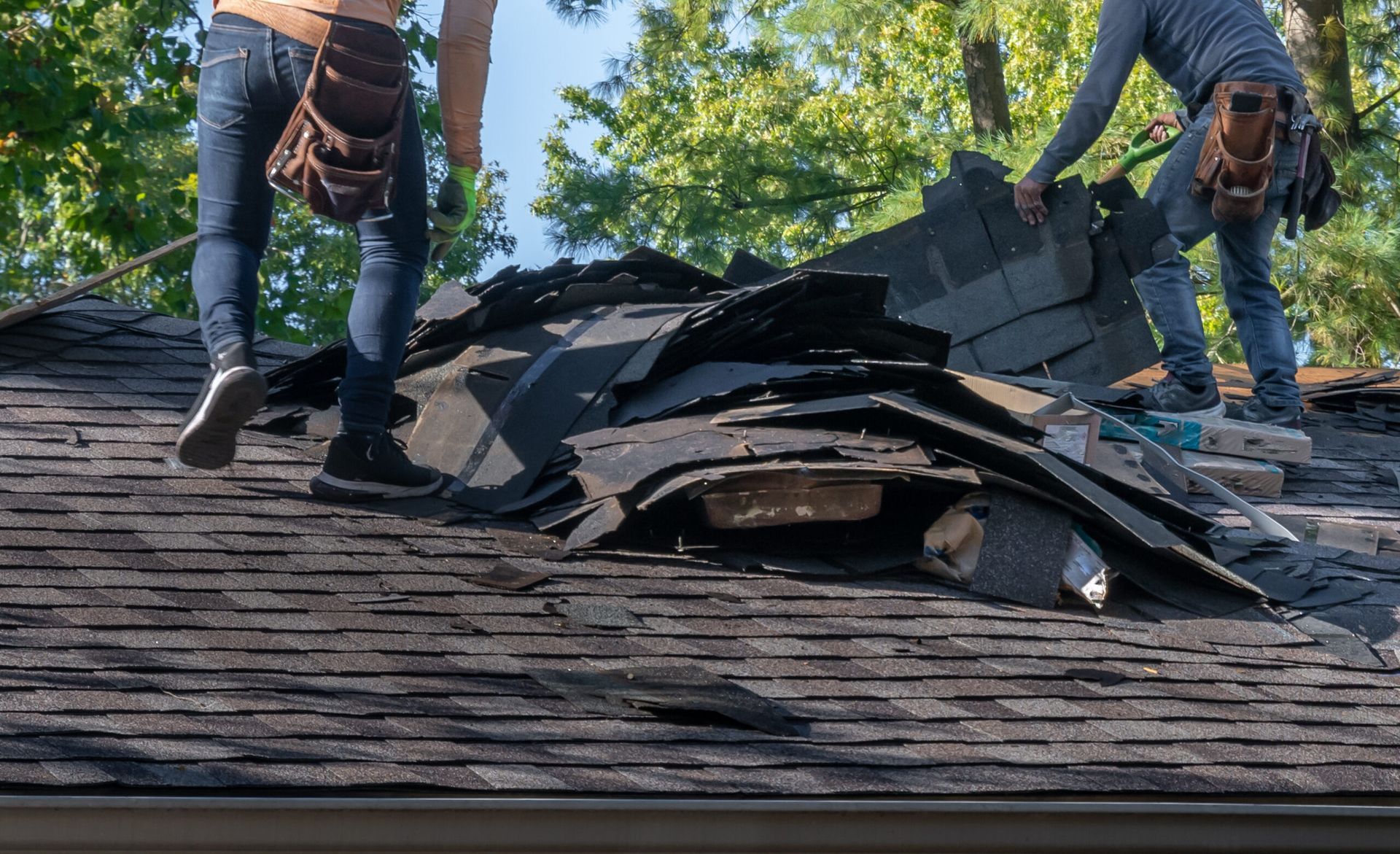
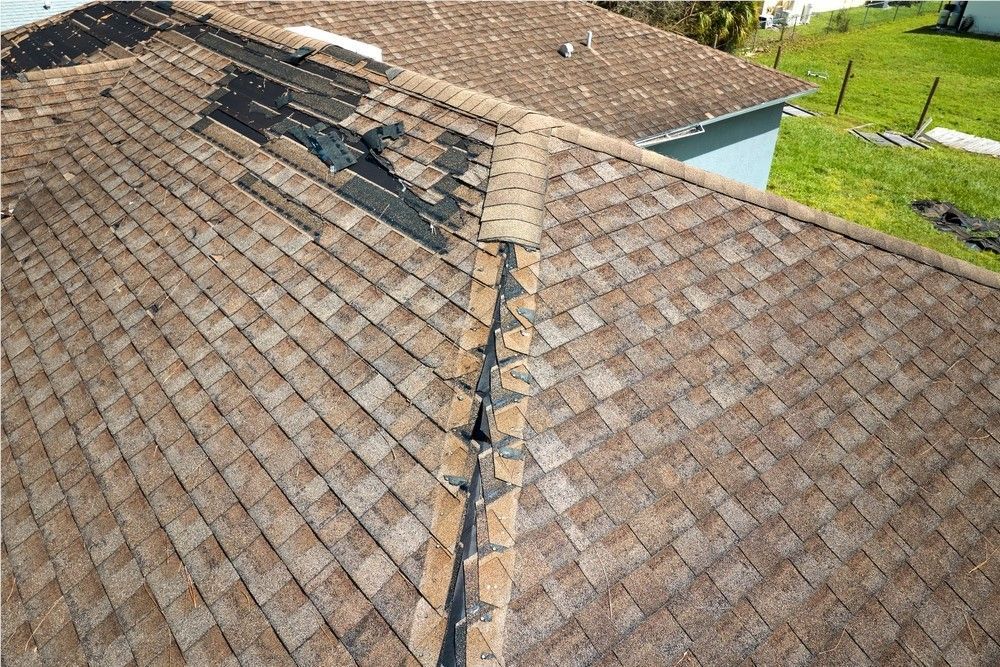
Winter storms can loosen or remove shingles without homeowners noticing immediately. High winds, ice buildup, and falling debris all contribute to storm roof damage that leaves underlying materials exposed. Even small areas of missing shingles can allow moisture to enter and spread.
An experienced roofing contractor can assess whether immediate repairs are needed to maintain protection. Exposed roofing areas become more vulnerable with each passing storm. Addressing damage early helps maintain the roof’s ability to shed water effectively.
Tree Branches and Falling Debris
Winter weather can place added stress on trees, especially when snow and ice accumulate on branches. Heavy limbs may crack or fall, causing sudden impact damage to roofing systems. Even smaller branches can loosen shingles or damage flashing, creating entry points for water.
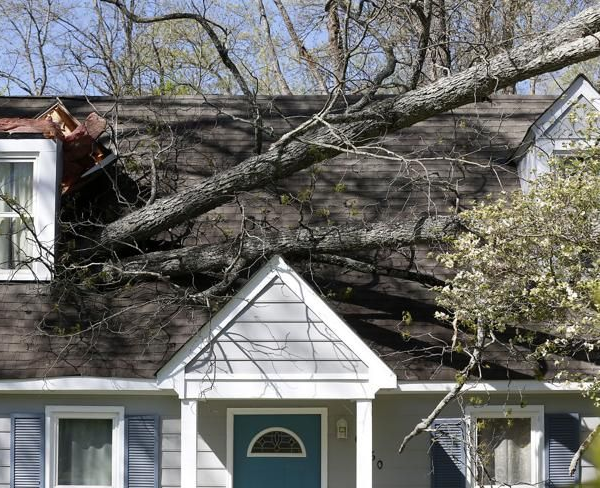
When debris strikes the roof, contacting a professional for roof inspection helps determine the extent of the issue. In some cases, fallen limbs can cause structural concerns that require immediate evaluation. Prompt attention helps prevent further exposure to moisture and additional weather-related damage.
Ice and Snow Causing Structural Stress
Heavy snow and ice buildup place continuous weight on roofing systems. Over time, this stress can cause sagging, cracking, or shifting materials. Persistent pressure may also contribute to winter roof leaks, particularly in areas where drainage is limited.
Monitoring these conditions helps homeowners determine when professional evaluation is necessary. Weight-related stress often develops gradually. Addressing concerns early helps maintain structural stability and performance.
Flashing and Roof Edge Issues
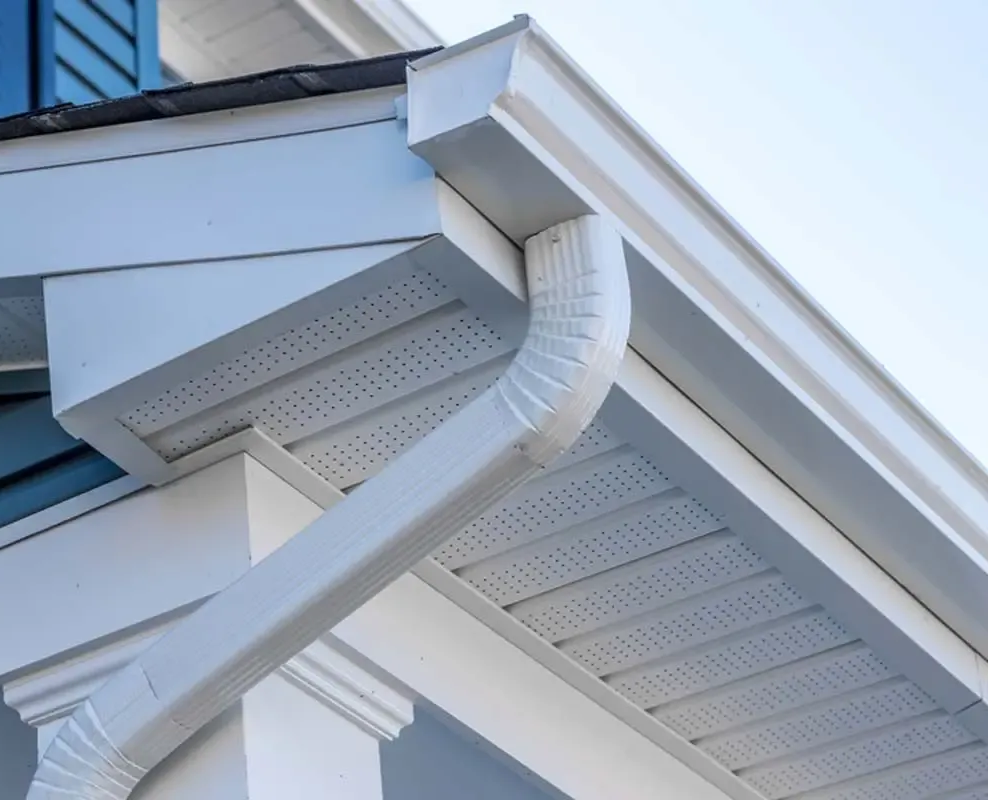
Roof edges and flashing around vents or chimneys are especially vulnerable during winter. Expansion and contraction caused by temperature changes can loosen seals and create entry points for water. When these areas fail, moisture can travel beneath roofing layers and lead to more extensive concerns. Working with a trusted roofing company ensures these vulnerable points are evaluated thoroughly.
Edge components often reveal early warning signs of broader issues. Timely repairs help prevent continued moisture exposure.
When Minor Issues Become Major Concerns
What begins as a small repair can quickly escalate if left unaddressed. Repeated moisture exposure and material movement may eventually lead homeowners to consider roof replacement rather than isolated fixes. Understanding when repairs are urgent helps prevent avoidable escalation and supports better long-term planning.
Addressing concerns early often preserves the roof’s remaining lifespan. Waiting too long can limit available repair options.
How Homeowners Typically Begin Searching
When urgent roofing issues arise, many homeowners begin by searching online for "roof repair near me". These searches are usually driven by the need for immediate assistance and reliable information. Connecting with an experienced roofing contractor helps clarify the situation and determine next steps quickly.
Reliable guidance reduces uncertainty during stressful situations. Professional support helps homeowners move forward with confidence.
Acting Quickly Helps Prevent Costly Damage
Emergency roofing concerns rarely improve with time. Instead, they tend to expand as moisture and exposure continue. Addressing issues early helps protect both the roof and the home’s interior.
Contact Four Seasons Roofing today to learn when emergency roof repair is needed and how winter roofing problems can be addressed before they lead to more extensive damage.