How Snow and Ice Impact Roof Longevity During Winter
How Snow and Ice Impact Roof Longevity During Winter
Winter weather can be tough on any home, but few areas feel the impact more than the roof. Snow accumulation, ice buildup, and fluctuating temperatures all place added stress on roofing materials throughout the colder months. Over time, these seasonal conditions can gradually affect performance and durability. Understanding how snow and ice contribute to roof lifespan changes helps homeowners make informed decisions about maintenance, repairs, and long-term planning.
Four Seasons Roofing works with homeowners who want to better understand how winter conditions influence roof performance and what steps help preserve longevity.Cold weather does not always cause immediate problems, but its effects can build season after season.
Weight From Snow Adds Structural Stress
Snow may appear light and manageable at first, but accumulation adds significant weight to a roofing system. Wet snow is especially heavy and can place ongoing pressure on shingles, flashing, and structural supports. Over time, this weight contributes to winter roof damage, particularly on older roofs or areas where drainage is limited.
Even when structural issues do not appear right away, repeated stress during multiple winters can shorten overall durability. Gradual strain often affects roofing materials long before visible signs appear.
Ice Buildup Creates Persistent Moisture Exposure
Ice formation along roof edges and shaded areas can trap moisture against roofing materials. As snow melts and refreezes, water may settle in vulnerable areas, increasing the risk of material deterioration. This type of snow and ice roof damage can weaken shingles, underlayment, and surrounding components over time.
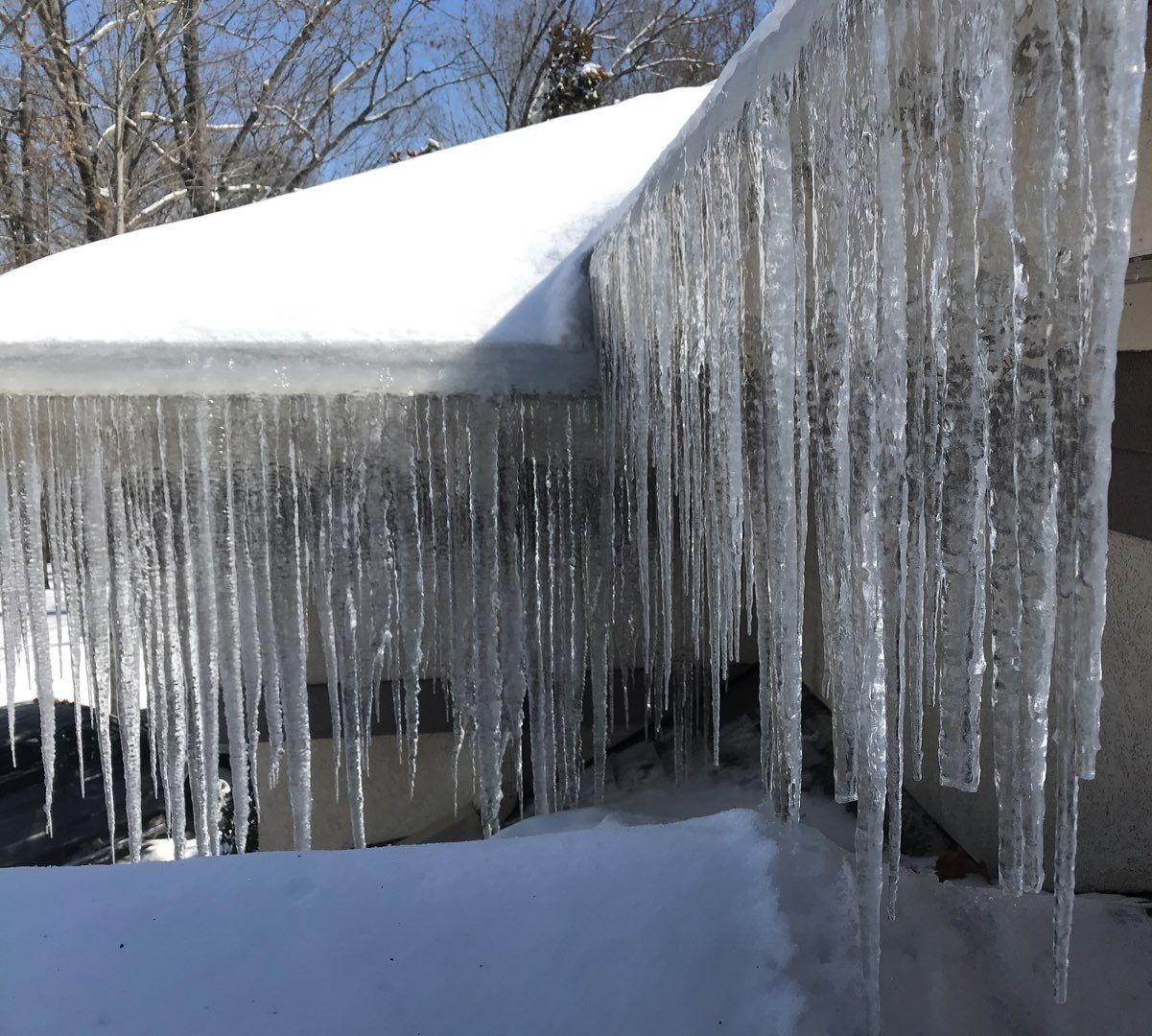
Moisture exposure during winter is often more damaging than the cold itself. Repeated exposure accelerates material fatigue
Freeze–Thaw Cycles Contribute to Material Wear
Winter temperatures rarely remain consistent. Frequent shifts between freezing and thawing cause roofing materials to expand and contract. This ongoing movement can loosen shingles, stress flashing, and create small gaps that allow moisture to enter.
When left unaddressed, these changes may eventually require roof repair to maintain performance and prevent deeper structural concerns. Temperature fluctuation is one of the most common causes of seasonal wear.
Shingles Often Show the First Signs of Aging
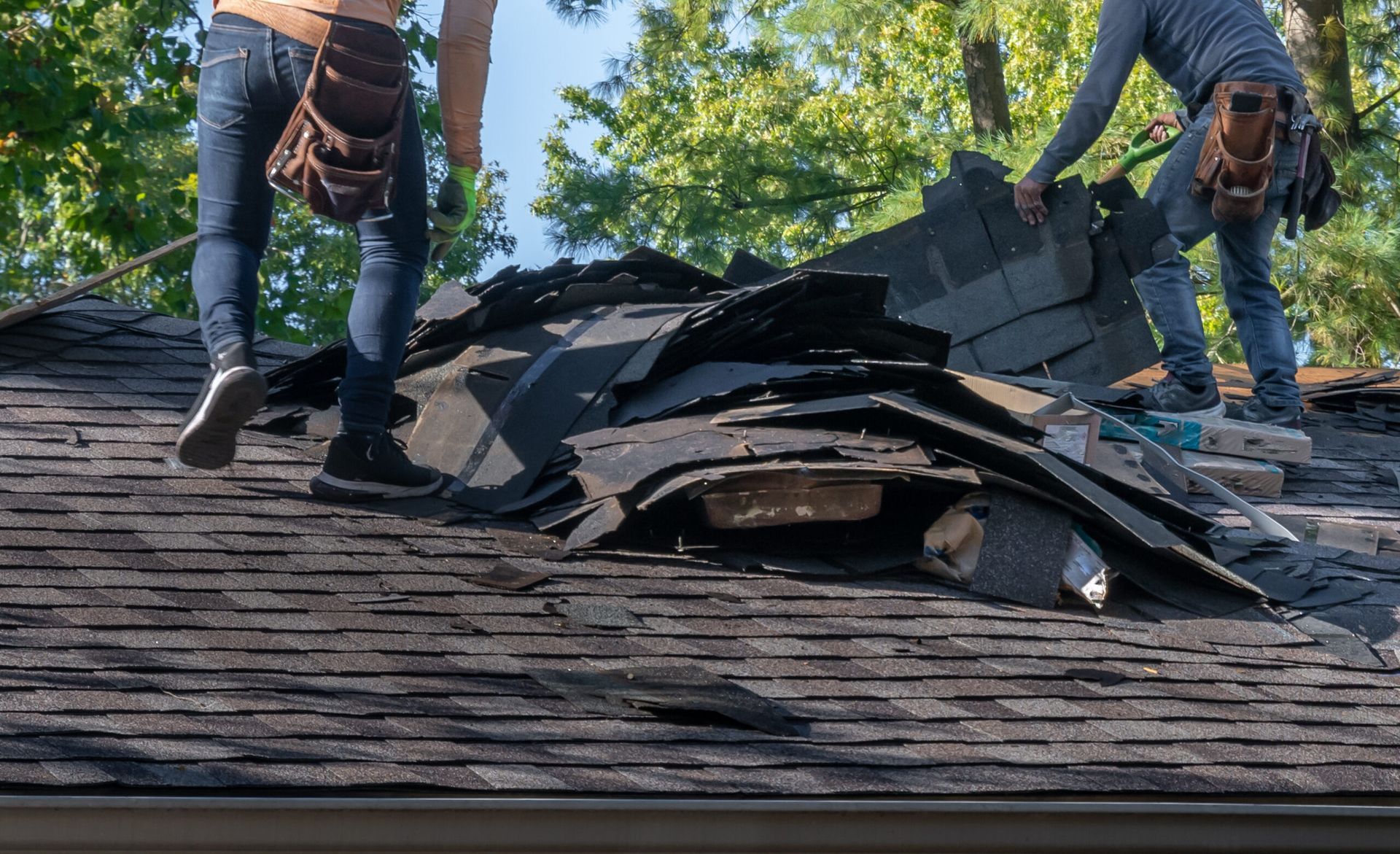
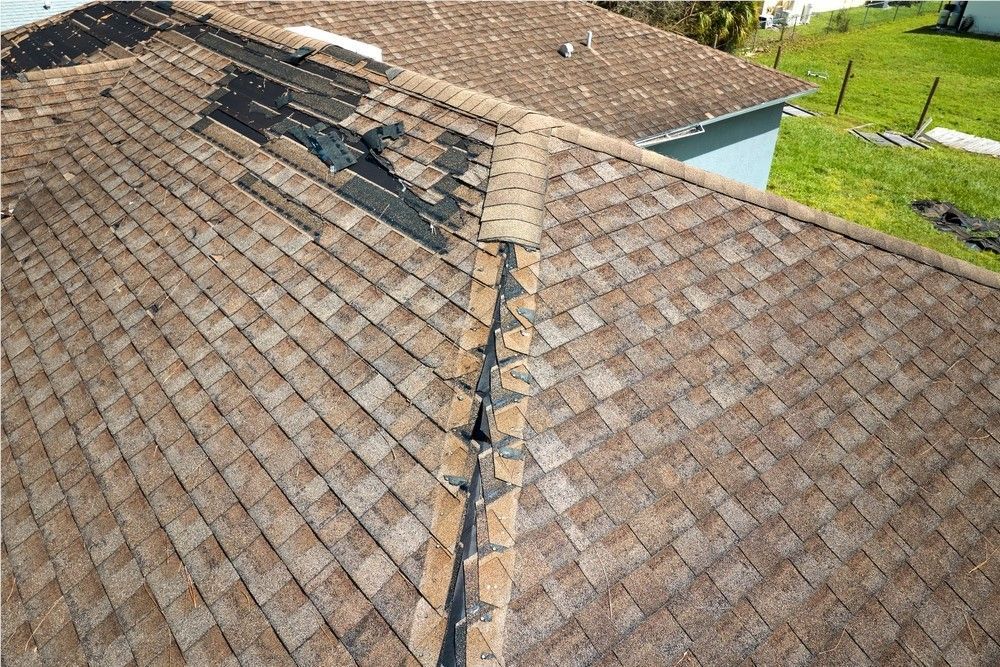
Shingles serve as the roof’s first line of defense against winter weather. As they endure snow load, ice contact, and temperature swings, they can begin to show signs of fatigue. Curling edges, surface granule loss, and minor cracking are all examples of shingle roof damage that may become more noticeable after winter ends.
These early indicators often signal that the roof has experienced seasonal stress.Monitoring these signs helps homeowners plan ahead.
Maintenance Plays a Role in Long-Term Performance
Consistent roof maintenance helps reduce the long-term effects of snow and ice exposure. Clearing debris, monitoring drainage paths, and addressing minor issues early all support better winter performance.
Maintenance does not eliminate winter stress, but it can slow the rate at which damage develops and extend the roof’s functional life. Preventive care supports long-term stability.
When Seasonal Wear Leads to Larger Decisions
Over time, repeated winter stress can accumulate to the point where repairs alone may not be enough. In these situations, homeowners begin considering roof replacement as part of long-term planning. Replacement is typically recommended when widespread wear affects performance or when the roof has reached the end of its expected lifespan.
Understanding how winter conditions contribute to this timeline helps homeowners prepare proactively. Planning ahead allows for smoother decision-making.
Why Professional Evaluation Matters
Winter-related wear is not always obvious from ground level. A qualified roofing contractor can identify subtle signs of deterioration that may otherwise go unnoticed. Evaluations after winter help homeowners determine whether seasonal damage has affected structural integrity or material performance.
Working with an experienced roofing company ensures that concerns are addressed with a clear understanding of long-term impact. Professional insight supports informed choices.
How Homeowners Typically Begin Their Search
As winter ends and signs of wear become visible, many homeowners begin researching options by searching for roofing near me. These searches are often driven by a desire to understand whether seasonal changes have affected roof condition.
Early evaluation provides clarity and helps homeowners address issues before they progress further. Awareness leads to better outcomes.
Protecting Roof Longevity Through Seasonal Awareness
Snow and ice are unavoidable parts of winter, but their impact on roofing systems can be managed with awareness and timely attention. Recognizing how seasonal stress affects materials helps homeowners take a proactive approach to maintenance and planning.
Contact Four Seasons Roofing today to learn how snow and ice affect roof longevity and what steps can help protect your roof through every winter season.