How Freezing Temperatures Affect Your Siding and Home Energy Efficiency
Freezing temperatures, Your Siding and Home Energy Efficiency
Freezing temperatures place unique stress on a home’s exterior, especially siding and the systems that protect against heat loss. While winter weather is often associated with roofing concerns, siding plays an equally important role in maintaining indoor comfort and energy efficiency. Four Seasons Roofing works with homeowners to evaluate how cold weather impacts exterior materials and how proactive maintenance helps prevent energy loss and long-term damage.
Understanding how freezing temperatures affect siding allows homeowners to make smarter decisions about maintenance, repairs, and future upgrades.
How Cold Weather Impacts Siding Materials
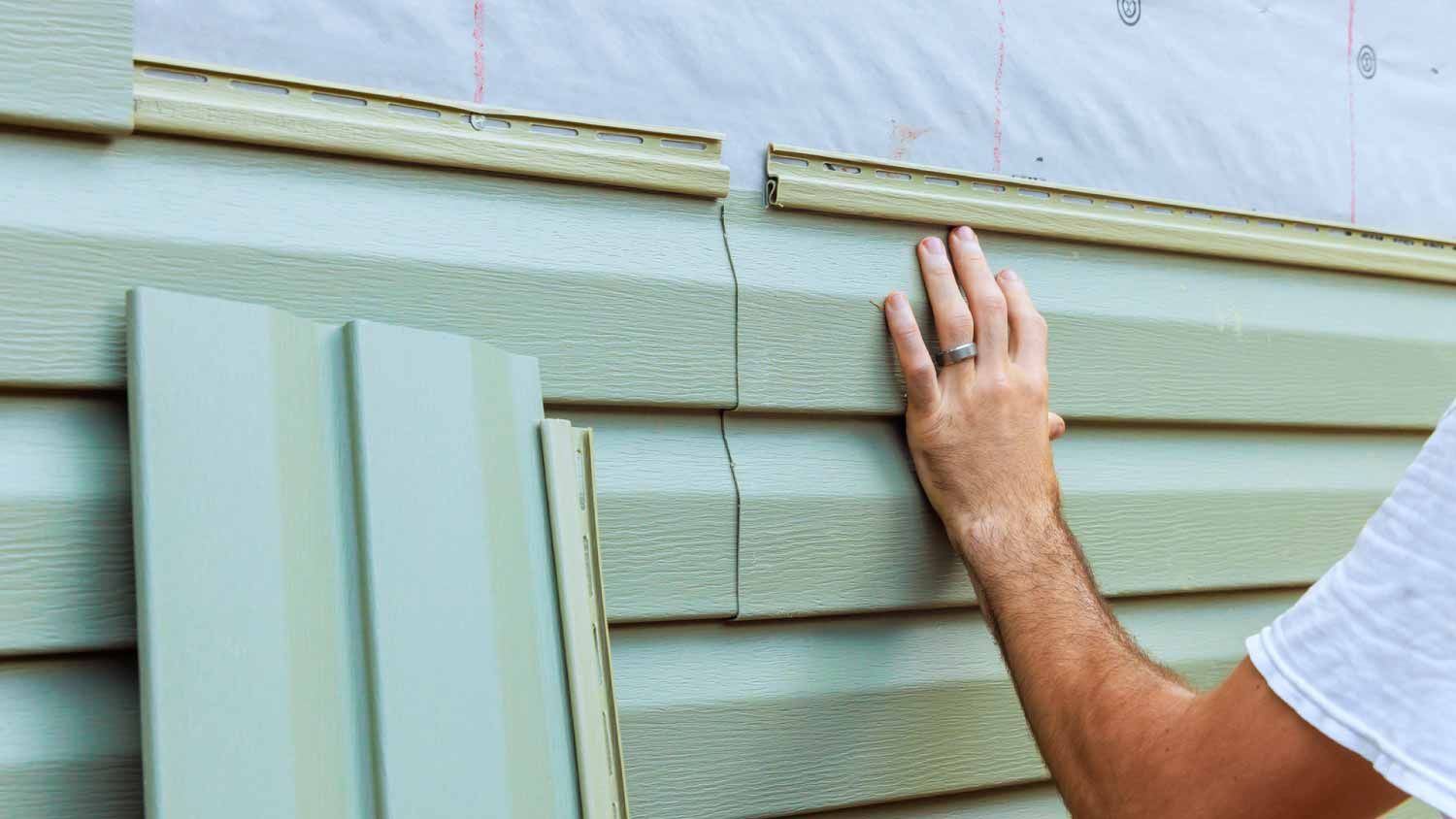
Siding materials expand and contract as temperatures change. During freezing conditions, repeated expansion and contraction can cause materials to shift, crack, or loosen over time. Vinyl, wood, and fiber cement siding each respond differently to cold, but all are affected by temperature extremes.
When siding gaps form or panels loosen, cold air can penetrate the home’s exterior envelope. This directly affects heating efficiency and indoor comfort. Addressing these issues early helps prevent more extensive siding replacement down the line.
Heat Loss and Energy Efficiency Concerns
Siding acts as a protective barrier between the home and the elements. When that barrier is compromised, heat escapes more easily, forcing heating systems to work harder to maintain consistent temperatures.
Modern energy efficient siding is designed to improve insulation and reduce air infiltration. When properly installed, it helps stabilize indoor temperatures even during prolonged cold spells. Older or damaged siding may lack these benefits, leading to higher energy use and uneven heating.
Moisture, Ice, and Hidden Damage
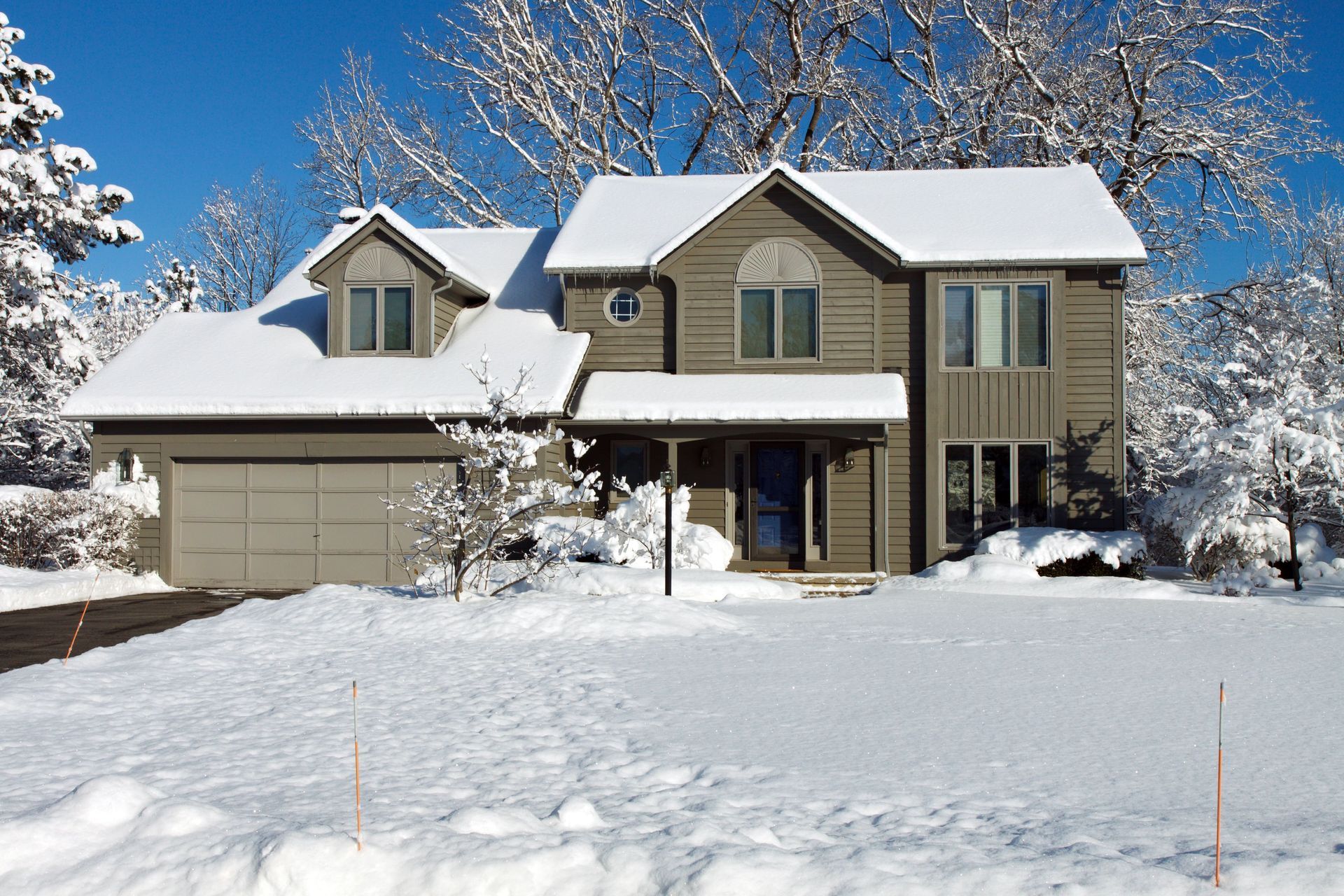
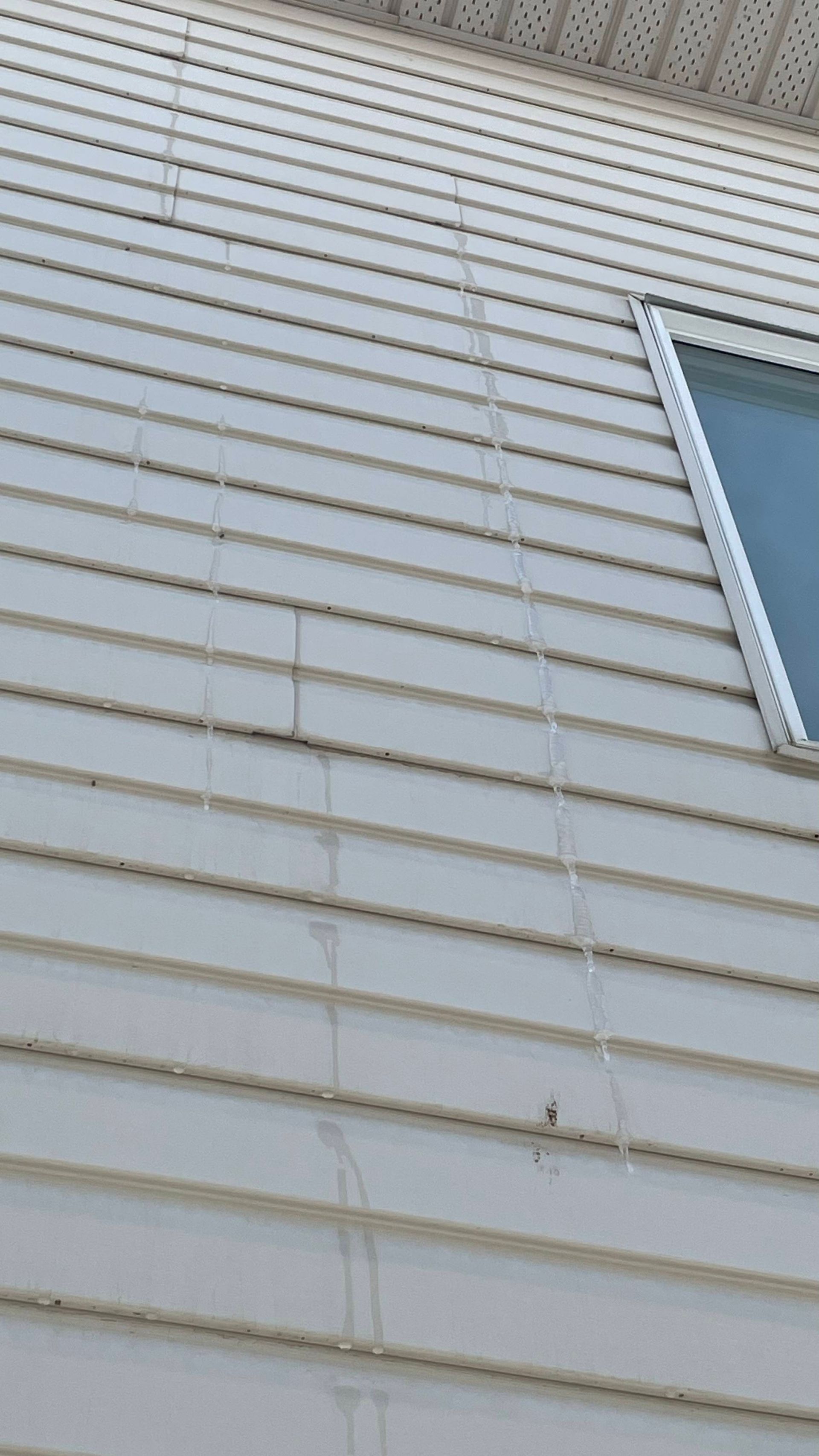
Freezing temperatures often bring snow, ice, and freezing rain. When moisture penetrates small gaps in siding and then freezes, it expands and can worsen existing damage. This freeze thaw cycle can lead to warping, cracking, or separation of siding panels.
Moisture intrusion also affects the materials beneath the siding, including sheathing and insulation. Over time, this hidden damage can reduce energy efficiency and compromise structural integrity.
The Role of Gutters in Winter Performance
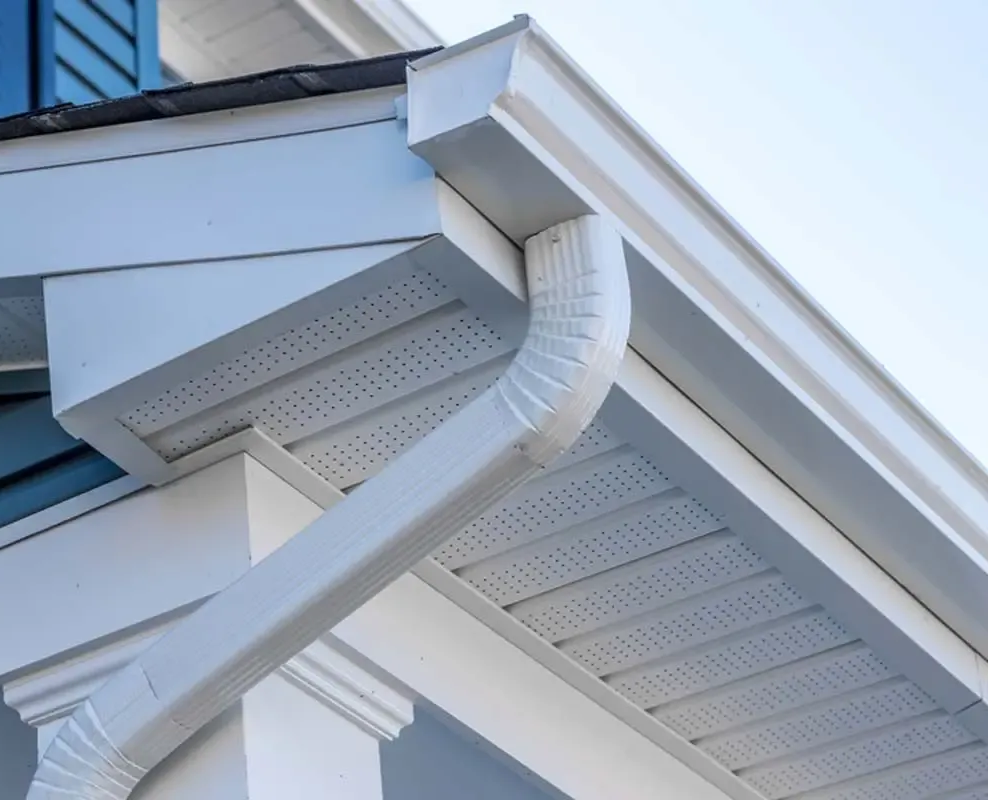
Siding does not work alone. Gutters play a critical role in directing water away from the home’s exterior. When gutters are damaged, clogged, or improperly pitched, melting snow and ice can overflow and run behind siding panels.
This is why gutter replacement and gutter installation are often part of a comprehensive exterior evaluation. Proper drainage helps protect siding from moisture exposure that becomes especially damaging during freezing conditions.
When Siding Issues Affect Heating Systems
When cold air infiltrates through old or damaged siding, heating systems must compensate by running longer and more frequently. This not only increases energy use but also places added strain on HVAC equipment.
Uneven temperatures, drafts, and cold walls are often signs that siding performance has declined. Addressing these issues through professional siding installation or upgrades can improve comfort and reduce unnecessary heating demand.
How Roofing and Siding Work Together
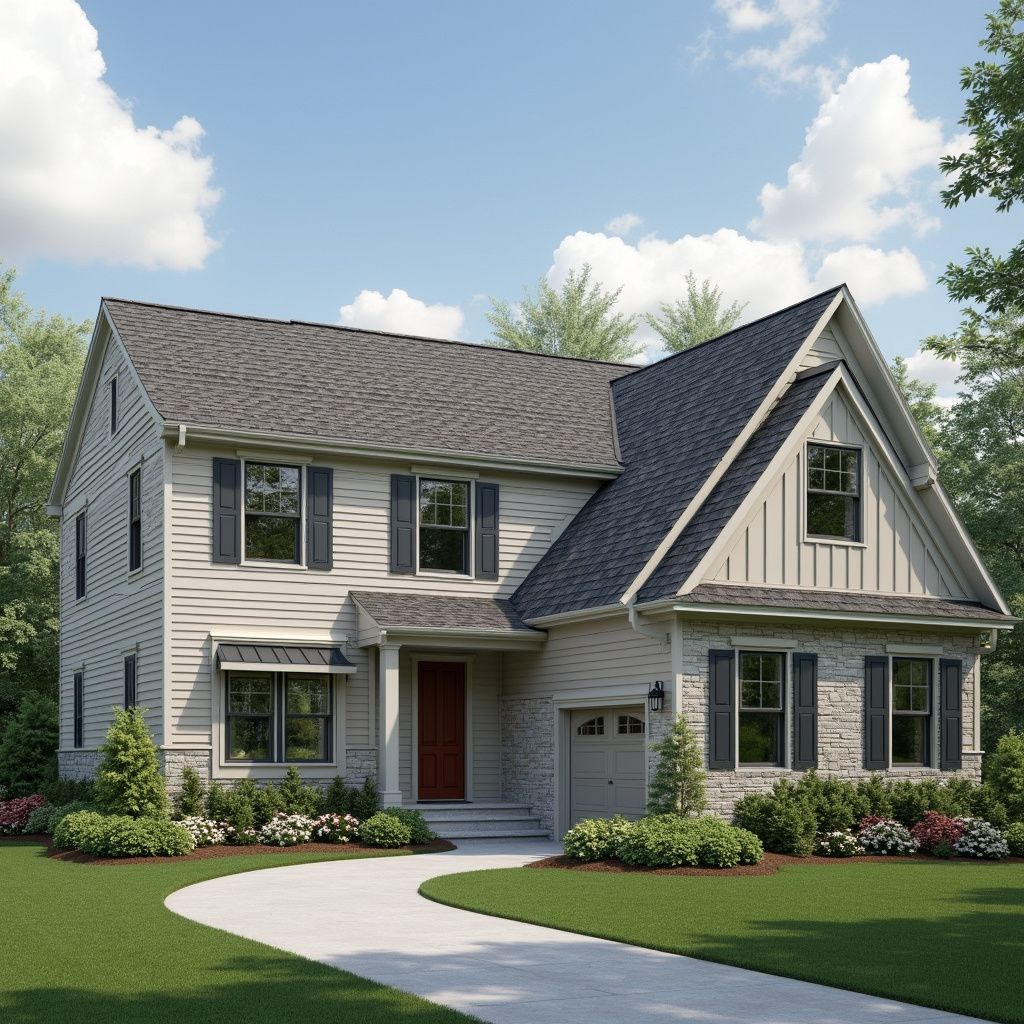
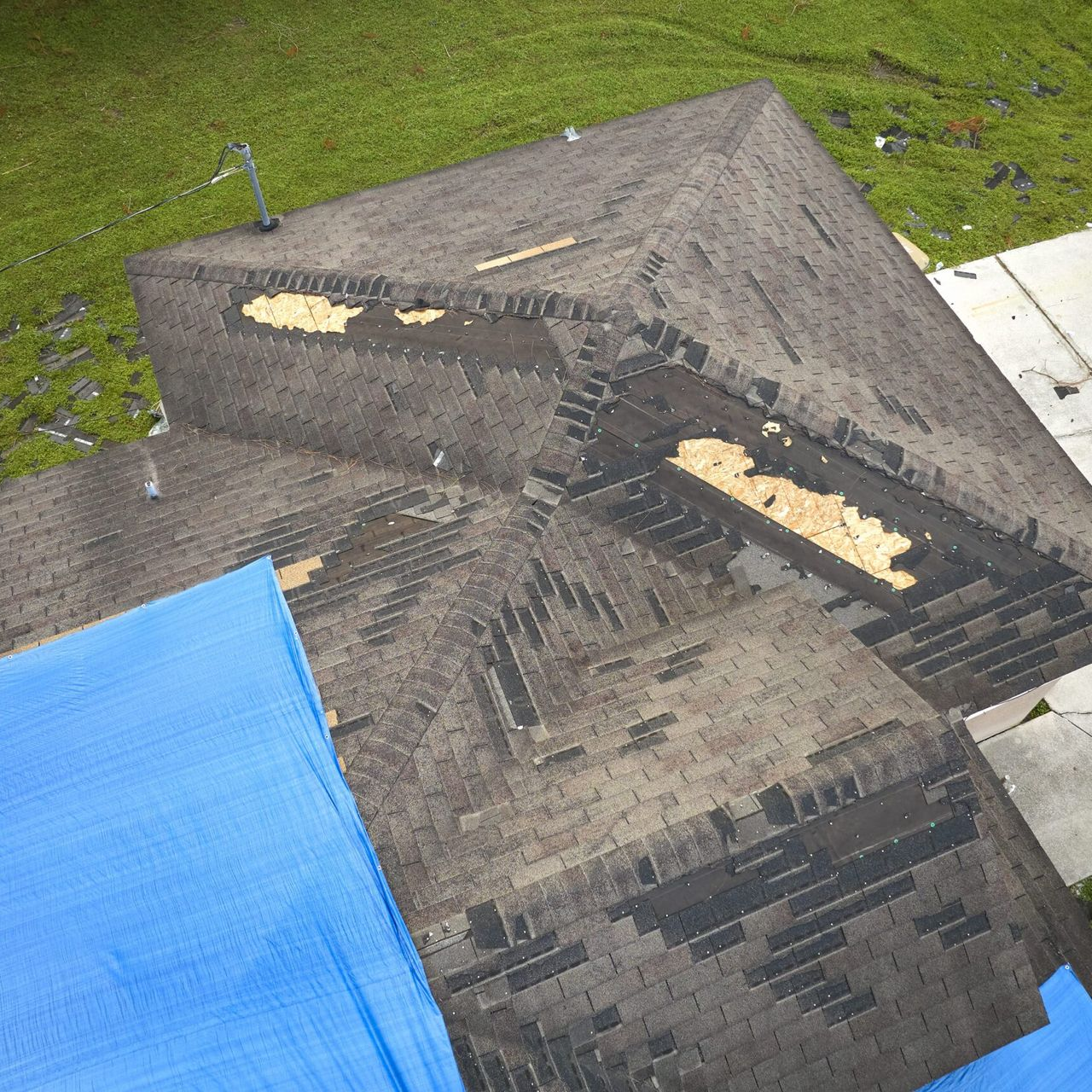
Siding and roofing function as part of a unified exterior system. Problems in one area often affect the other. For example, poor roof drainage can direct water toward siding, while failing siding can expose roof edges to moisture intrusion.
In some cases, homeowners planning roof replacement also evaluate siding condition to ensure the entire exterior works cohesively. Coordinated exterior improvements often deliver better long-term performance.
Planning for Siding Improvements Before Winter
Waiting until winter exposes problems can limit options. Planning exterior work ahead of freezing temperatures allows homeowners to address vulnerabilities before they affect comfort and efficiency.
Many homeowners begin researching options as they notice drafts or rising energy bills. This is often when people start searching for a siding contractor near me, looking for professionals who can evaluate conditions and recommend appropriate solutions.
The Value of Professional Evaluation
Not all siding damage is visible from the ground. Professional evaluations identify subtle issues such as loose fasteners, compromised seams, or insulation gaps that contribute to heat loss.
A reputable siding company provides clear explanations and focuses on long-term performance rather than temporary fixes. This approach helps homeowners make informed decisions about maintenance or replacement.
Exterior Remodeling for Long-Term Efficiency
Siding upgrades are often part of broader exterior remodeling plans. Improving insulation, updating materials, and addressing drainage all contribute to better energy efficiency and comfort.
Cold weather highlights weaknesses in exterior systems, making winter an ideal time to assess what improvements may be needed before the next season.
Protecting Comfort Through the Cold Months
Freezing temperatures test every part of a home’s exterior. Siding that performs well helps maintain consistent indoor temperatures, protects against moisture, and supports overall energy efficiency.
Four Seasons Roofing helps homeowners evaluate siding performance and plan improvements that protect comfort year-round. By understanding how cold weather affects siding and related systems, homeowners can take proactive steps that reduce energy loss and extend the life of their exterior.
Contact Four Seasons Roofing today to schedule an exterior evaluation and learn how siding improvements can help your home stay warmer and more efficient through freezing temperatures.