Roof Ice Dams Explained: What Causes Them and How to Prevent Damage
What Causes Ice Dams and How to Prevent roof Damage
Ice dams are a common winter roofing issue that many homeowners do not notice until damage has already begun. These ridges of ice form along the edges of a roof and can prevent melting snow from draining properly. Over time, trapped water can work its way beneath shingles and into the home. Four Seasons helps homeowners understand how ice dams form, why they are a concern, and what steps can be taken to reduce the risk of damage.
Knowing what causes ice dams is the first step toward preventing costly winter problems.
What Exactly Is an Ice Dam?
An ice dam forms when snow on a roof melts, flows toward the edge, and then refreezes. This cycle creates a barrier that blocks additional melting snow from draining off the roof.
As water backs up behind the ice, it can seep beneath shingles and into roofing materials. Even well-installed roofs can be affected when conditions are right.
Why Ice Dams Form in Winter
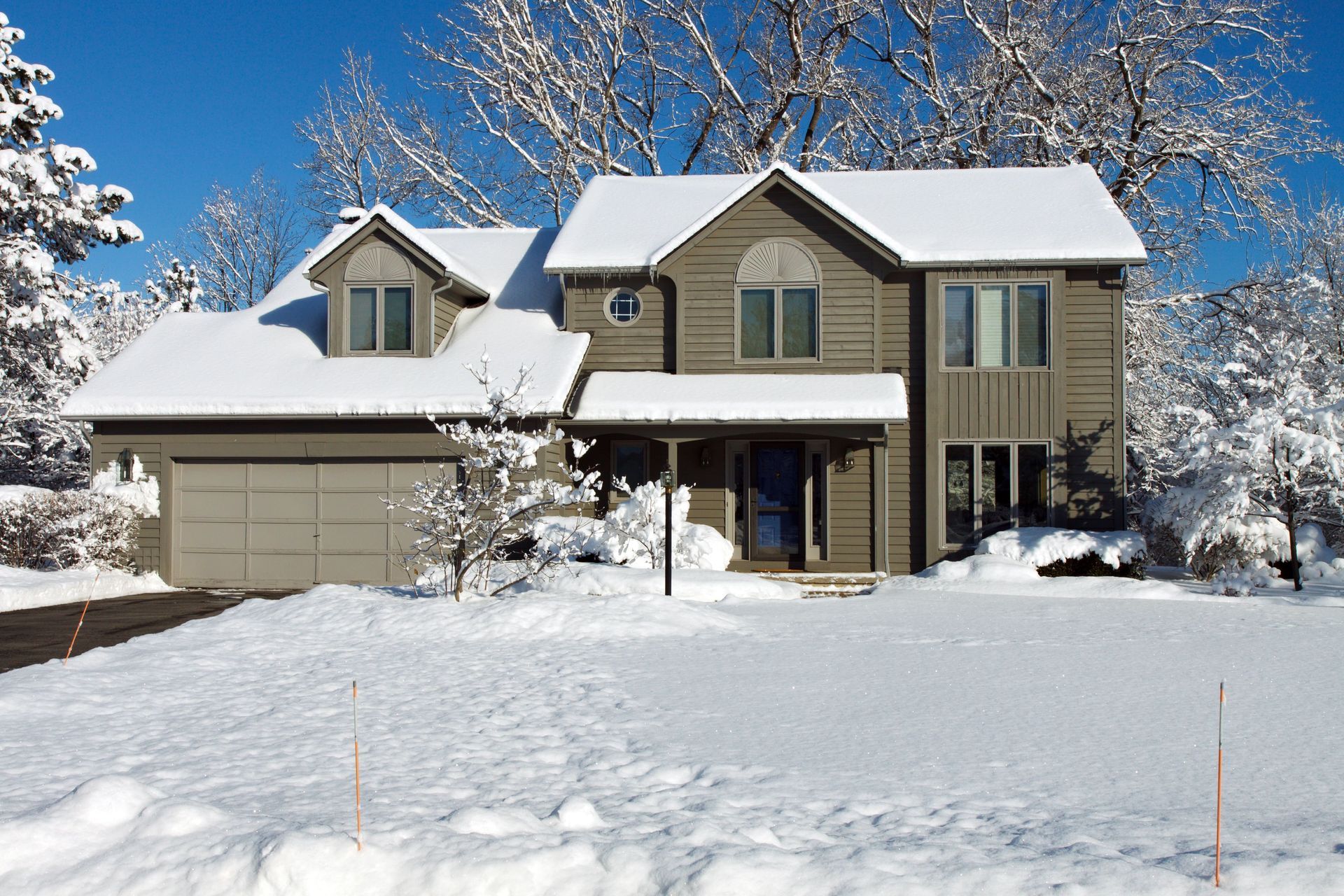
Ice dams are usually the result of uneven roof temperatures. When heat escapes from the home into the attic, it warms the roof surface enough to melt snow. The roof edge, which is typically colder, causes that water to refreeze.
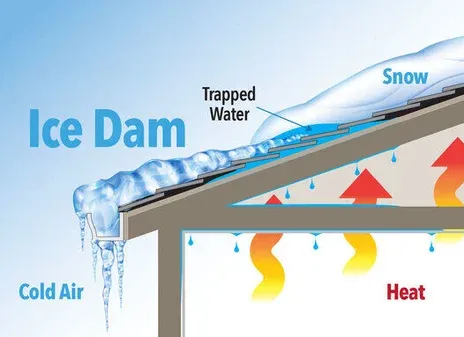
This temperature difference is often linked to insulation gaps, ventilation issues, or inconsistent airflow in the attic. The problem is not the snow itself, but how heat moves through the home and roof system.
How Ice Dams Can Damage a Roof
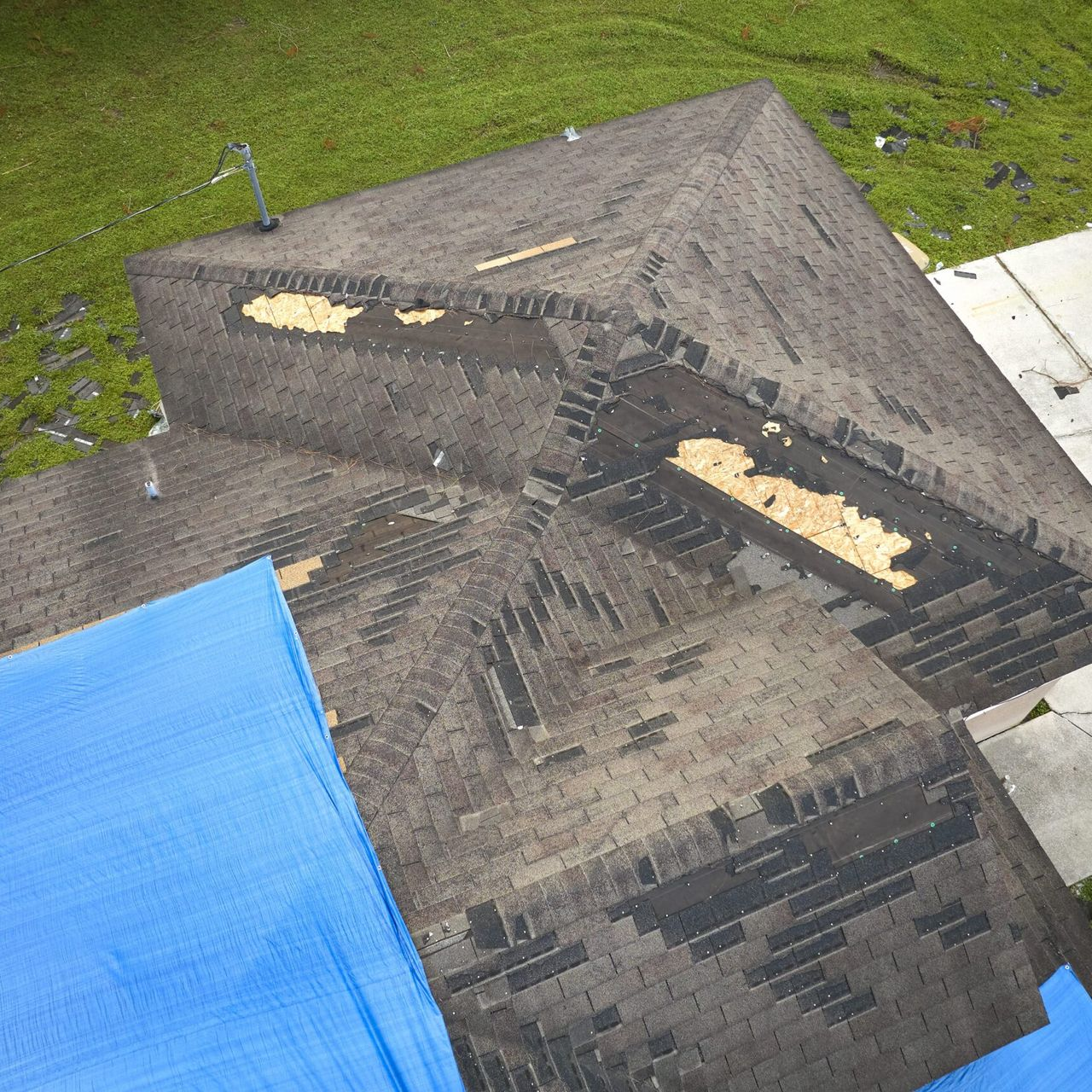
While ice may look harmless, the damage it causes can be significant. Water trapped behind an ice dam can lead to moisture intrusion under shingles, damaging the roof deck and interior finishes.
Over time, repeated ice dam formation can shorten the lifespan of roofing materials. In some cases, homeowners may not realize there is an issue until stains or leaks appear inside the home.
Gutters and Ice Dams
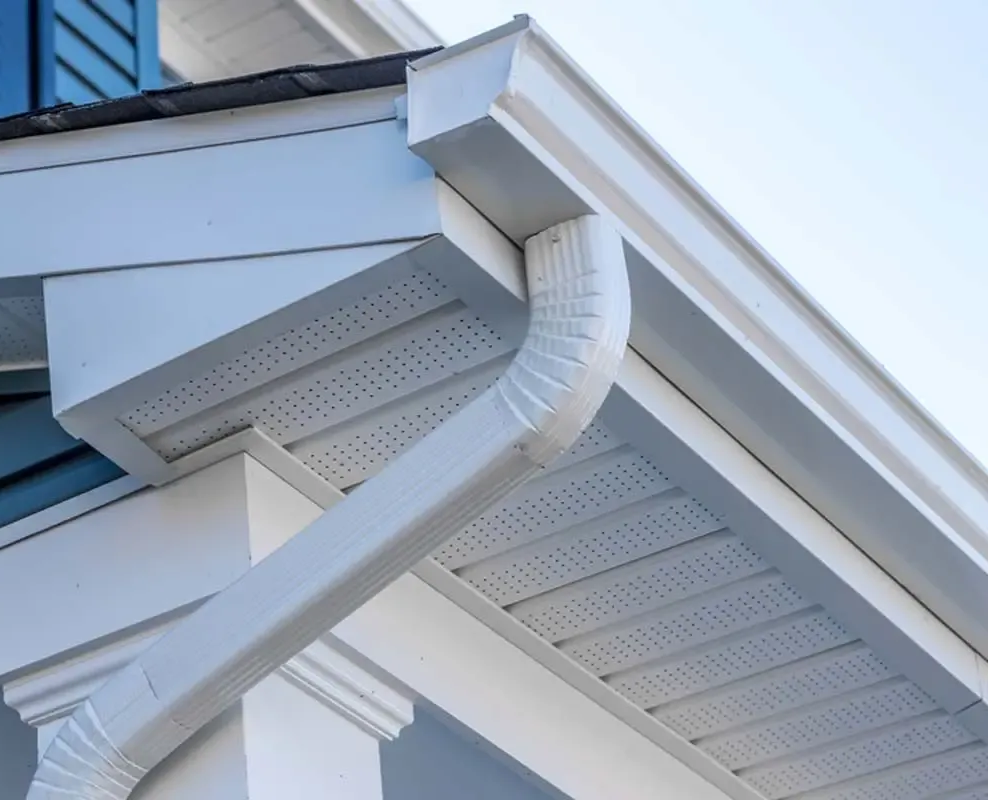
Gutters play a role in ice dam formation as well. When gutters fill with ice, they can worsen drainage issues and allow water to pool along the roof edge.
Keeping gutters clear and properly pitched helps reduce winter drainage problems. However, gutter maintenance alone is rarely enough to prevent ice dams if underlying roof conditions are not addressed.
Prevention Starts With Attic Conditions
Preventing ice dams begins inside the home. Proper insulation helps keep heat where it belongs, reducing the amount of warmth reaching the roof surface.
Balanced attic ventilation also plays a key role by allowing cold air to circulate evenly along the roof deck. Together, insulation and ventilation help maintain consistent roof temperatures and reduce melting and refreezing cycles.
Snow Removal and Temporary Measures
In heavy snow conditions, safely removing excess snow from the roof can help reduce ice dam risk. This should always be done carefully to avoid damaging roofing materials.
Temporary measures may provide short-term relief, but they do not address the root cause. Long-term prevention focuses on correcting temperature imbalances rather than reacting after ice forms.
When Ice Dams Signal a Bigger Issue
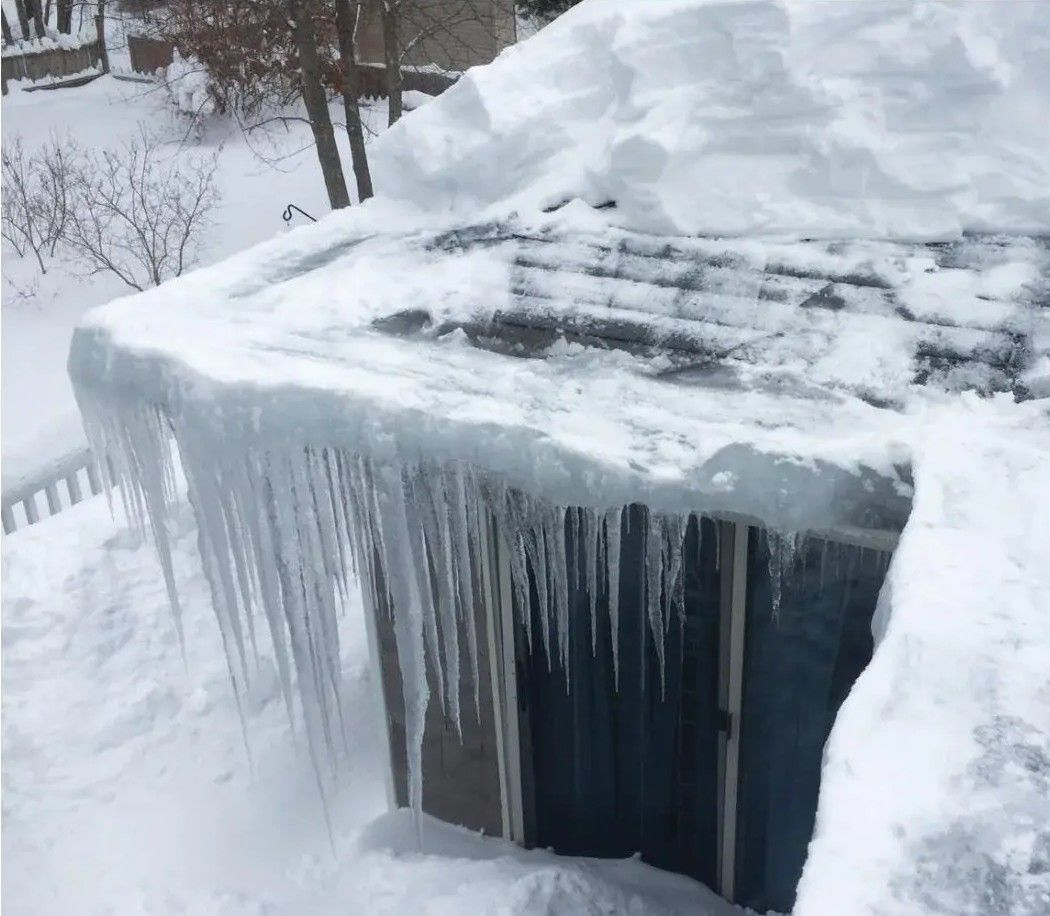
Recurring ice dams often indicate that a roof or attic system is not performing as intended. If ice dams appear winter after winter, it may be time to evaluate the roof as a whole.
In some cases, ice dam issues become part of larger conversations around roof replacement, especially when roofing materials are nearing the end of their lifespan or when improvements can be made during an upgrade.
How Homeowners Begin Looking for Help
Ice dams often prompt homeowners to seek professional guidance during or after winter storms. This is typically when people search online for "roofing contractors near me", looking for experienced professionals who can assess roof conditions and recommend solutions.
These searches are driven by prevention and long-term protection rather than emergency response.
The Role of Professional Evaluation
A thorough roof evaluation considers more than just surface conditions. Professionals assess insulation performance, ventilation balance, shingle condition, and drainage patterns.
Working with a reputable roofing company ensures these factors are evaluated together rather than in isolation. Addressing the system as a whole leads to better outcomes and fewer recurring issues.
Planning Ahead for Winter Protection
Ice dams are not always avoidable, but their impact can often be reduced with proper planning and maintenance. Understanding how and why they form allows homeowners to take proactive steps before winter weather hits.
Four Seasons helps homeowners evaluate roof performance and plan solutions that support long-term durability. Whether addressing current concerns or planning future upgrades, understanding ice dams helps protect both the roof and the home beneath it.
Contact Four Seasons today to schedule a roof evaluation and learn how to reduce the risk of ice dam damage this winter.