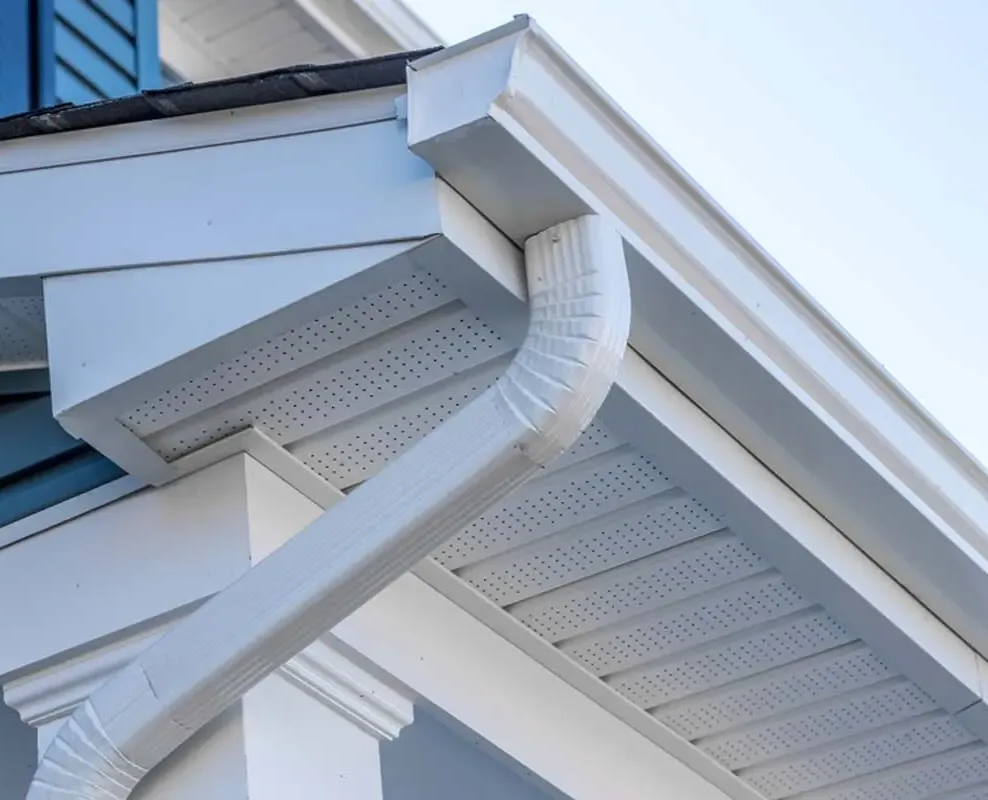
Roof Replacement Experts Debunk 5 Harmful Roof Ventilation Myths

chris darr • October 13, 2025

Roof Ventilation Myths Every Homeowner Should Know

When temperatures drop, homeowners often shift their focus from roofing to heating, but your roof’s ventilation system deserves just as much attention. Proper attic airflow isn’t just a summer concern; it’s a year-round necessity for protecting your home, saving energy, and preventing costly roof damage. As one of the most trusted roofing contractors, Four Seasons Roofing is here to clear up common ventilation myths and explain how the truth can help you avoid problems this winter.


Myth #1: Roof Ventilation Doesn’t Matter in the Winter

It’s a common misconception that ventilation only helps during hot weather. In reality, your attic ventilation plays an essential role during Maryland’s colder months. Without it, warm indoor air rises into your attic, where it can condense on cold surfaces — leading to mold, mildew, and even rot.


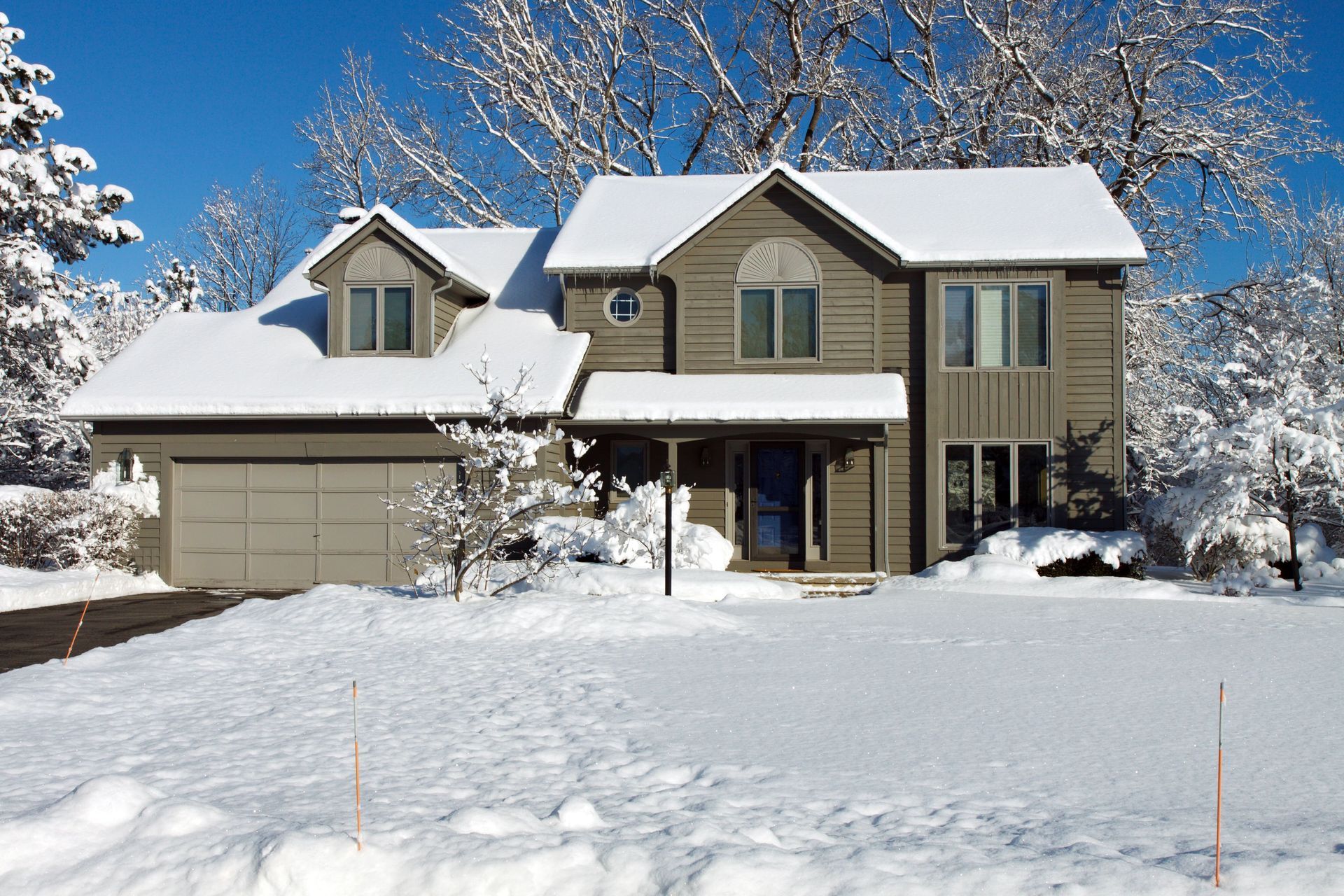
Even worse, poor ventilation causes uneven roof temperatures. Warm spots melt snow that refreezes along the eaves, forming ice dams that trap water under your shingles. The best roofing company will tell you: preventing ice dams starts with balanced airflow, not just insulation. Proactive roof maintenance before the first freeze can save you thousands in repairs.
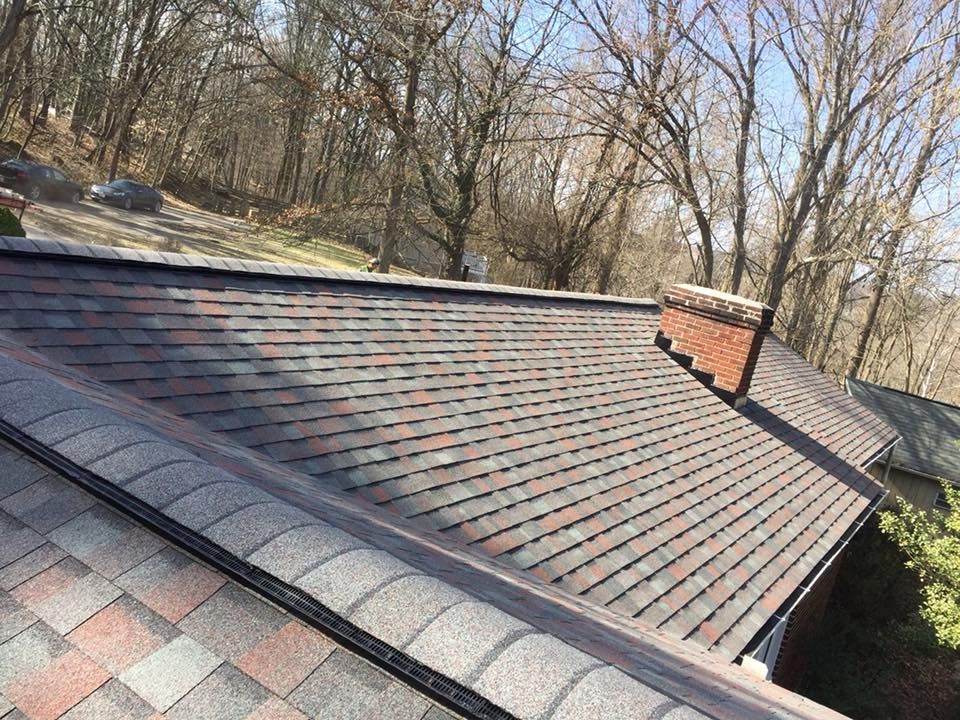
Close up of a roof ventilation system and ridge vent along a complete roof replacement by Four Seasons Roofing

Myth #2: The More Vents, the Better

More isn’t always better. Too many vents, or incorrectly placed ones, can actually disrupt your home’s pressure balance. This leads to drafts, heat loss, and reduced energy efficiency.


A well-designed roof system uses a proper ratio of intake and exhaust vents to maintain consistent air movement. This not only protects your roof but also supports energy-efficient roofing that keeps utility bills low. For best results, search for "experienced roofers near me" who understand how local climate and roof design affect ventilation needs.


Myth #3: Ventilation Problems Mean You Need a New Roof

Not necessarily. While poor ventilation can shorten a roof’s lifespan, it doesn’t automatically mean you need a full roof replacement. Sometimes the issue lies in blocked soffit vents, undersized exhausts, or insulation covering airflow paths.


However, if moisture buildup has already caused structural damage or mold growth, a targeted roof repair or partial upgrade may be necessary. A professional roof inspection helps identify whether your system just needs adjustments, or if it’s time to search for "roof replacement near me" for long-term protection.


Myth #4: You Can Spot Ventilation Issues from the Ground

Many homeowners assume they can visually check for ventilation problems, but most issues are hidden inside the attic or beneath the roofing surface. Condensation, frost, and uneven shingle wear often go unnoticed until leaks begin.


That’s why scheduling a detailed roof inspection in fall is so important. A professional assessment from certified roofing contractors can detect early warning signs using infrared scans, moisture meters, and airflow testing — long before the damage becomes visible.
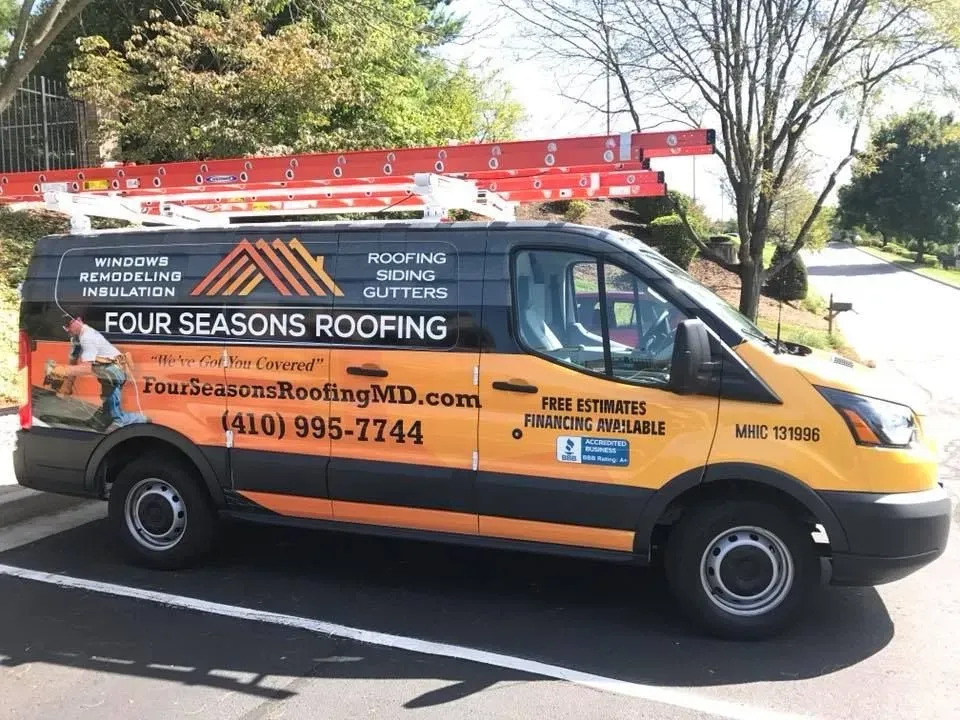
Local Roofing Company in Maryland preparing to install a new roof

Myth #5: Ventilation Doesn’t Affect Roof Lifespan

This is one of the most harmful misconceptions. Inadequate ventilation traps heat and moisture, which can warp decking, weaken fasteners, and prematurely age shingles. Over time, it can even void manufacturer warranties.


Proper ventilation ensures your roofing materials perform as intended, extending the life of your investment. Regular roof maintenance helps maintain balance between intake and exhaust vents, protecting your home’s structure for years to come.


Bonus Tip: Fall Roof Ventilation Checklist

As Maryland transitions into colder weather, here’s a simple checklist to prepare your home:

  • Inspect soffit and ridge vents for blockages or insulation clogs.
  • Check attic insulation for moisture or compression.
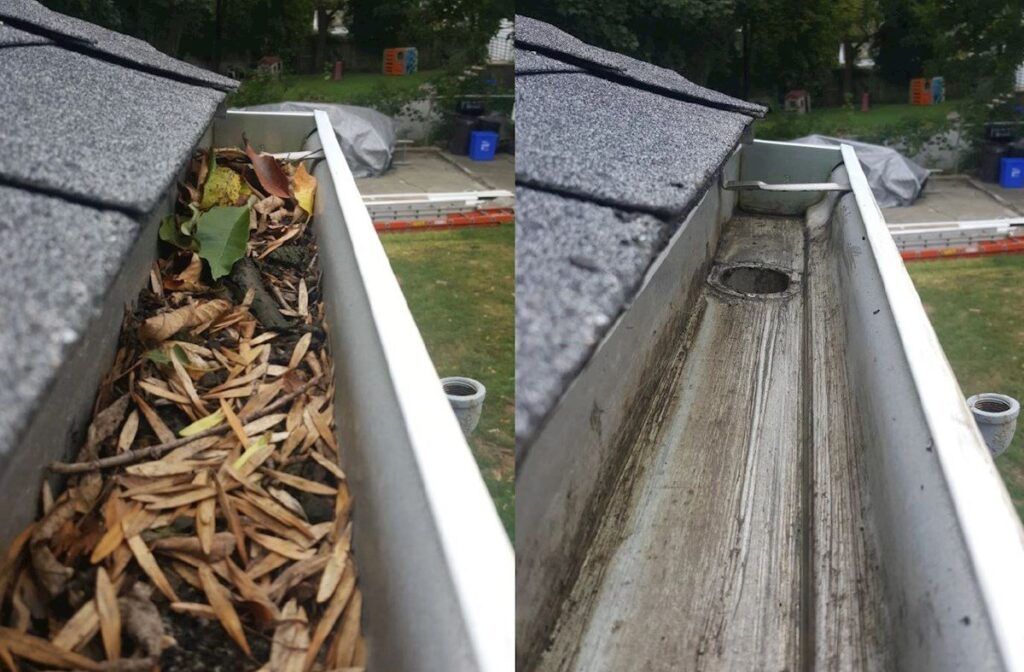
  • Clear gutters and ensure airflow around eaves.
  • Schedule a professional roof inspection before temperatures dip.
  • Ask about adding smart vent systems for better year-round airflow.

Small seasonal steps can make a major difference in performance and longevity.


Final Thoughts: Keep Your Roof Breathing This Winter

Roof ventilation is one of the most misunderstood aspects of home maintenance, yet one of the most critical. By addressing these common myths, homeowners can protect their property, improve comfort, and prevent expensive problems down the road.


If you’re ready to safeguard your home for the season, trust Four Seasons Roofing, your local roofing company specializing in expert roof inspection, roof repair, and roof replacement services. Contact us to ensure your home is winter-ready, from proper ventilation to long-term durability.

November 6, 2026
Plan roof replacement in Sykesville with Four Seasons Roofing. Explore how roof age, property access, and seasonal conditions shape project timing.
October 28, 2026
Learn why gutter overflow may be connected to roof-edge flashing, fascia, downspouts, or gutter alignment and when to request an evaluation.
October 20, 2026
Siding is the visible exterior finish of a home, but it is not the only component responsible for managing water and protecting the walls beneath it. Effective moisture control depends on how the siding, flashing, trim, exterior barrier, windows, doors, and other transitions work together. These details become especially important during fall and winter. Wind-driven rain, changing temperatures, melting frost, and repeated moisture exposure can reveal weaknesses that may not be obvious during dry weather. At Four Seasons Roofing, we evaluate siding as part of the home’s complete exterior system. Our siding installation and replacement services in Maryland consider the condition of the existing materials, vulnerable transitions, water-management details, and the requirements of the property. Siding is designed to manage exterior exposure Siding helps protect the walls from direct exposure to rain, wind, sunlight, and changing temperatures. However, siding is not intended to function as the home’s only moisture-control layer. Small amounts of water may move behind exterior siding through joints, seams, penetrations, or areas exposed to wind-driven rain. The exterior system should be designed to manage that moisture and direct it away from the underlying structure. Why surface appearance is only part of the evaluation Siding can appear acceptable from a distance while concerns develop around: Windows and doors Roof-to-wall transitions Utility penetrations Exterior corners Lower wall sections Deck and porch connections Areas with previous repairs Damaged or deteriorated trim A professional evaluation should consider these transitions rather than looking only at the broad siding panels. What is located behind the siding? The materials behind siding vary according to the age of the home, construction method, previous exterior work, and current siding system. Depending on the property, the wall assembly may include: Structural sheathing A water-resistant exterior barrier Flashing around openings and transitions Insulation components Furring or drainage materials Fasteners and attachment points Interior wall materials The condition of these components may not be fully visible until sections of the existing siding are removed. Why concealed conditions affect the project scope If moisture has moved behind damaged or incorrectly installed siding, the underlying materials may show staining, softness, deterioration, or previous patching. Before a siding replacement project begins, homeowners should understand how concealed conditions will be documented, priced, and addressed if they are discovered. At Four Seasons Roofing, we explain which conditions can be evaluated in advance and which may only become visible during removal. Exterior barriers help manage water An exterior water-resistant barrier may be installed behind the siding as part of the wall assembly. Its purpose is to help manage moisture that passes beyond the visible exterior finish. The barrier must connect correctly with flashing, openings, and penetrations. Simply placing a barrier behind new siding does not guarantee proper moisture management if the transitions are incomplete or incorrectly integrated. Installation details matter Important areas may include: Overlaps between barrier sections Connections around windows and doors Lower wall drainage points Roof and siding intersections Corners and exterior penetrations Transitions between different materials The exact requirements depend on the home and the selected siding system. We evaluate the existing conditions and determine which details should be addressed within the project scope. Flashing protects vulnerable transitions Flashing is used to help direct water away from openings, joints, and other vulnerable areas. It is particularly important where siding meets windows, doors, rooflines, decks, porches, and horizontal trim. When flashing is missing, damaged, or incorrectly positioned, water may travel behind the siding instead of being directed toward the exterior. Window and door openings Windows and doors create interruptions in the exterior wall. These openings require careful attention because water may collect at the top, sides, or lower corners. Warning signs around an opening may include: Staining near interior or exterior trim Soft or deteriorated trim Gaps where materials meet Peeling paint Swelling around the opening Discoloration after heavy rain Previous layers of patching or sealant Adding more surface caulk may temporarily cover a visible gap, but it may not correct an underlying flashing or drainage problem. Siding and the roofline must work together Water leaving the roof should move into the gutter system and away from the exterior walls. If roof edges, flashing, gutters, or downspouts are not performing correctly, the siding may receive more moisture than intended. Repeated overflow or concentrated runoff can affect: Fascia and soffit areas Upper siding sections Exterior corners Window and door openings Lower wall sections Foundation areas A siding concern may therefore be connected to the roofing or drainage system. We evaluate how these components interact before recommending a solution. How colder weather reveals siding problems Cold weather does not automatically damage properly installed siding. However, temperature changes can make existing installation problems or deterioration easier to notice. Homeowners may observe: Loose or visibly moving panels Cracked or broken sections Open joints around trim Interior drafts near exterior walls Moisture staining after storms Peeling paint around openings Areas where previous repairs have separated These signs do not all have the same cause. The condition may involve the siding itself, fastening, trim, flashing, moisture behind the wall, or movement within the structure. When siding replacement should be considered Not every isolated siding concern requires replacement of the complete exterior. A small damaged section may sometimes be addressed locally when compatible materials are available and the surrounding system remains in suitable condition. Broader siding replacement may be considered when: Damage appears across multiple elevations The existing siding has widespread deterioration Water-management details require substantial correction Repairs would create inconsistent materials or appearance The siding no longer remains secure Multiple openings and transitions show problems The homeowner is planning a larger exterior improvement Our role is to evaluate the visible conditions, explain the available options, and help the homeowner understand whether a localized solution or broader replacement is more appropriate. Siding replacement should include a clear scope A siding proposal should explain more than the color and visible material. Homeowners should understand how the contractor will handle removal, preparation, transitions, trim, cleanup, and concealed conditions. H3: Questions homeowners should ask Before approving a siding replacement project, ask: Will the existing siding be removed? How will the underlying wall condition be evaluated? How will concealed deterioration be documented? Which exterior barrier or moisture-management details are included? How will flashing around windows and doors be handled? Which trim components are included? How will siding connect with the roofline and gutters? What will happen around utilities and exterior penetrations? How will debris and removed materials be managed? Which product and workmanship warranties apply? A detailed scope helps homeowners compare complete projects rather than comparing only the visible siding material. Coordinate siding with windows and gutters Siding replacement may affect or connect with other exterior projects. If windows, gutters, roofing, or exterior trim also require work, the sequence of those projects should be discussed before installation begins. Coordinating the work can help avoid removing newly installed materials or creating incomplete transitions later. Homeowners can learn more about siding and gutter installation in Pasadena or explore siding and gutter services in Owings Mills . Prepare the exterior before winter moisture arrives Siding should be evaluated as part of a complete exterior system. The visible panels, exterior barrier, flashing, trim, windows, roof edges, and gutters all influence how moisture moves around the home. At Four Seasons Roofing, we review these connected components and explain which conditions should be included in the siding replacement scope. We do not base recommendations on appearance alone. If your siding is loose, deteriorated, uneven, or showing signs of moisture around exterior transitions, fall is a practical time to schedule an evaluation before winter weather makes the condition more difficult to address. Request a siding replacement estimate Let Four Seasons Roofing evaluate your siding, trim, openings, roofline transitions, and visible moisture concerns and explain the appropriate next steps.
October 14, 2026
Learn how window installation affects drafts, moisture control, operation, and indoor comfort during Maryland’s colder months.
October 6, 2026
Learn what a complete roof replacement should include, from decking and underlayment to ventilation, flashing, cleanup, and warranty coverage.
Contractor evaluating gutters, downspouts and exterior drainage conditions at a Catonsville, Marylan
September 21, 2026
Learn which roof, property and exterior conditions can change a gutter and drainage project in Catonsville, MD, and what to evaluate first.
November 6, 2026
Plan roof replacement in Sykesville with Four Seasons Roofing. Explore how roof age, property access, and seasonal conditions shape project timing.
October 28, 2026
Learn why gutter overflow may be connected to roof-edge flashing, fascia, downspouts, or gutter alignment and when to request an evaluation.
October 20, 2026
Siding is the visible exterior finish of a home, but it is not the only component responsible for managing water and protecting the walls beneath it. Effective moisture control depends on how the siding, flashing, trim, exterior barrier, windows, doors, and other transitions work together. These details become especially important during fall and winter. Wind-driven rain, changing temperatures, melting frost, and repeated moisture exposure can reveal weaknesses that may not be obvious during dry weather. At Four Seasons Roofing, we evaluate siding as part of the home’s complete exterior system. Our siding installation and replacement services in Maryland consider the condition of the existing materials, vulnerable transitions, water-management details, and the requirements of the property. Siding is designed to manage exterior exposure Siding helps protect the walls from direct exposure to rain, wind, sunlight, and changing temperatures. However, siding is not intended to function as the home’s only moisture-control layer. Small amounts of water may move behind exterior siding through joints, seams, penetrations, or areas exposed to wind-driven rain. The exterior system should be designed to manage that moisture and direct it away from the underlying structure. Why surface appearance is only part of the evaluation Siding can appear acceptable from a distance while concerns develop around: Windows and doors Roof-to-wall transitions Utility penetrations Exterior corners Lower wall sections Deck and porch connections Areas with previous repairs Damaged or deteriorated trim A professional evaluation should consider these transitions rather than looking only at the broad siding panels. What is located behind the siding? The materials behind siding vary according to the age of the home, construction method, previous exterior work, and current siding system. Depending on the property, the wall assembly may include: Structural sheathing A water-resistant exterior barrier Flashing around openings and transitions Insulation components Furring or drainage materials Fasteners and attachment points Interior wall materials The condition of these components may not be fully visible until sections of the existing siding are removed. Why concealed conditions affect the project scope If moisture has moved behind damaged or incorrectly installed siding, the underlying materials may show staining, softness, deterioration, or previous patching. Before a siding replacement project begins, homeowners should understand how concealed conditions will be documented, priced, and addressed if they are discovered. At Four Seasons Roofing, we explain which conditions can be evaluated in advance and which may only become visible during removal. Exterior barriers help manage water An exterior water-resistant barrier may be installed behind the siding as part of the wall assembly. Its purpose is to help manage moisture that passes beyond the visible exterior finish. The barrier must connect correctly with flashing, openings, and penetrations. Simply placing a barrier behind new siding does not guarantee proper moisture management if the transitions are incomplete or incorrectly integrated. Installation details matter Important areas may include: Overlaps between barrier sections Connections around windows and doors Lower wall drainage points Roof and siding intersections Corners and exterior penetrations Transitions between different materials The exact requirements depend on the home and the selected siding system. We evaluate the existing conditions and determine which details should be addressed within the project scope. Flashing protects vulnerable transitions Flashing is used to help direct water away from openings, joints, and other vulnerable areas. It is particularly important where siding meets windows, doors, rooflines, decks, porches, and horizontal trim. When flashing is missing, damaged, or incorrectly positioned, water may travel behind the siding instead of being directed toward the exterior. Window and door openings Windows and doors create interruptions in the exterior wall. These openings require careful attention because water may collect at the top, sides, or lower corners. Warning signs around an opening may include: Staining near interior or exterior trim Soft or deteriorated trim Gaps where materials meet Peeling paint Swelling around the opening Discoloration after heavy rain Previous layers of patching or sealant Adding more surface caulk may temporarily cover a visible gap, but it may not correct an underlying flashing or drainage problem. Siding and the roofline must work together Water leaving the roof should move into the gutter system and away from the exterior walls. If roof edges, flashing, gutters, or downspouts are not performing correctly, the siding may receive more moisture than intended. Repeated overflow or concentrated runoff can affect: Fascia and soffit areas Upper siding sections Exterior corners Window and door openings Lower wall sections Foundation areas A siding concern may therefore be connected to the roofing or drainage system. We evaluate how these components interact before recommending a solution. How colder weather reveals siding problems Cold weather does not automatically damage properly installed siding. However, temperature changes can make existing installation problems or deterioration easier to notice. Homeowners may observe: Loose or visibly moving panels Cracked or broken sections Open joints around trim Interior drafts near exterior walls Moisture staining after storms Peeling paint around openings Areas where previous repairs have separated These signs do not all have the same cause. The condition may involve the siding itself, fastening, trim, flashing, moisture behind the wall, or movement within the structure. When siding replacement should be considered Not every isolated siding concern requires replacement of the complete exterior. A small damaged section may sometimes be addressed locally when compatible materials are available and the surrounding system remains in suitable condition. Broader siding replacement may be considered when: Damage appears across multiple elevations The existing siding has widespread deterioration Water-management details require substantial correction Repairs would create inconsistent materials or appearance The siding no longer remains secure Multiple openings and transitions show problems The homeowner is planning a larger exterior improvement Our role is to evaluate the visible conditions, explain the available options, and help the homeowner understand whether a localized solution or broader replacement is more appropriate. Siding replacement should include a clear scope A siding proposal should explain more than the color and visible material. Homeowners should understand how the contractor will handle removal, preparation, transitions, trim, cleanup, and concealed conditions. H3: Questions homeowners should ask Before approving a siding replacement project, ask: Will the existing siding be removed? How will the underlying wall condition be evaluated? How will concealed deterioration be documented? Which exterior barrier or moisture-management details are included? How will flashing around windows and doors be handled? Which trim components are included? How will siding connect with the roofline and gutters? What will happen around utilities and exterior penetrations? How will debris and removed materials be managed? Which product and workmanship warranties apply? A detailed scope helps homeowners compare complete projects rather than comparing only the visible siding material. Coordinate siding with windows and gutters Siding replacement may affect or connect with other exterior projects. If windows, gutters, roofing, or exterior trim also require work, the sequence of those projects should be discussed before installation begins. Coordinating the work can help avoid removing newly installed materials or creating incomplete transitions later. Homeowners can learn more about siding and gutter installation in Pasadena or explore siding and gutter services in Owings Mills . Prepare the exterior before winter moisture arrives Siding should be evaluated as part of a complete exterior system. The visible panels, exterior barrier, flashing, trim, windows, roof edges, and gutters all influence how moisture moves around the home. At Four Seasons Roofing, we review these connected components and explain which conditions should be included in the siding replacement scope. We do not base recommendations on appearance alone. If your siding is loose, deteriorated, uneven, or showing signs of moisture around exterior transitions, fall is a practical time to schedule an evaluation before winter weather makes the condition more difficult to address. Request a siding replacement estimate Let Four Seasons Roofing evaluate your siding, trim, openings, roofline transitions, and visible moisture concerns and explain the appropriate next steps.
More Posts