Pasadena, MD’s Spring Roof Check-Up: Stop Small Leaks Before They Sink Your Budget

Chris D. • March 5, 2025

Pasadena, MD’s Spring Roof Check-Up: Stop Small Leaks Before They Sink Your Budget

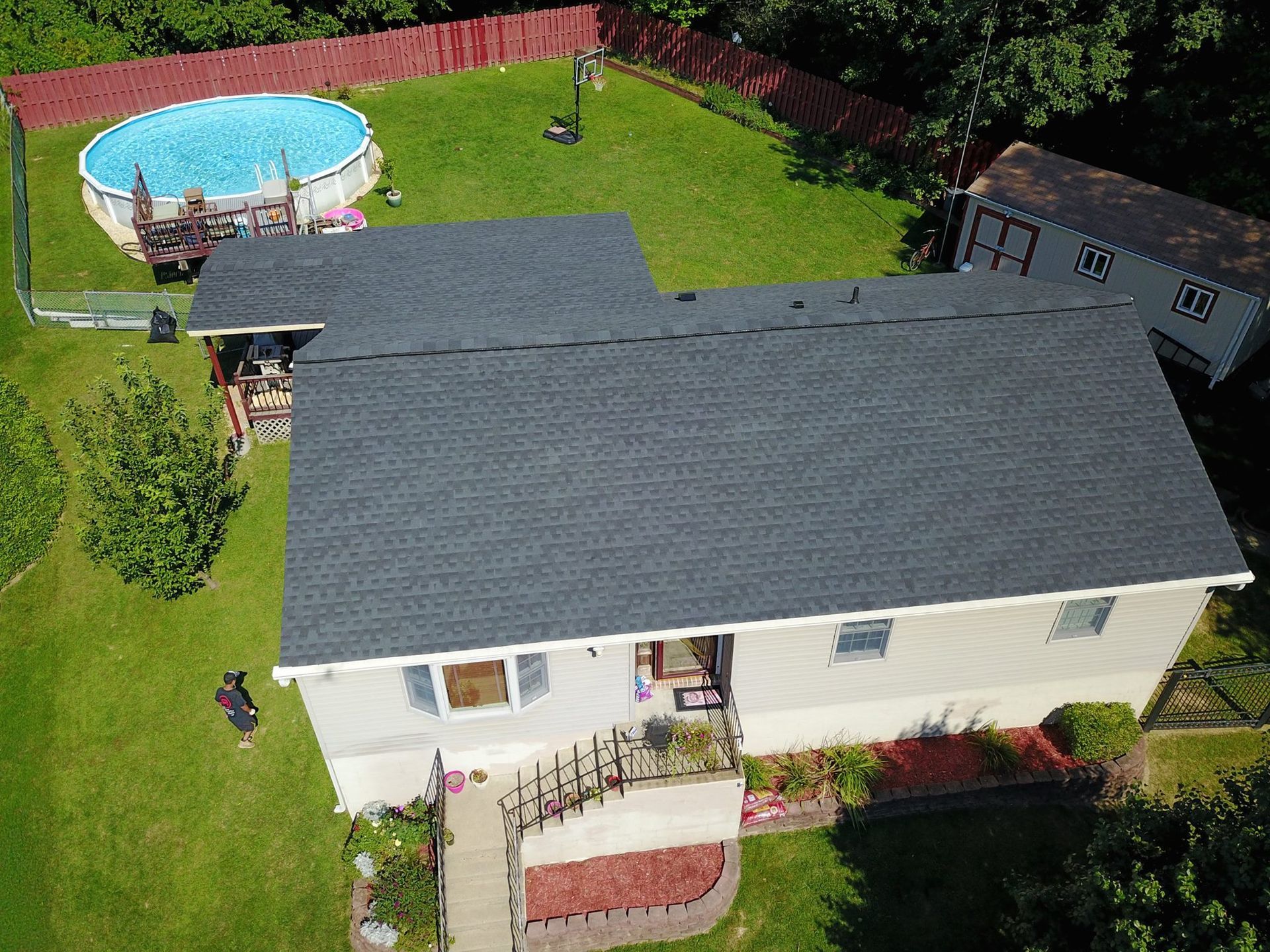
As the temperatures rise and winter fades away, homeowners in Pasadena, Maryland, should take the time to assess their home’s first line of defense—the roof. The combination of winter snow, ice, freezing temperatures, and high winds can leave lasting damage that might not be immediately visible. Even minor roof issues can escalate into major leaks, mold growth, or structural problems if left unchecked.


At Four Seasons Roofing, we’ve found that 75 percent of the springtime roof repairs we perform could have been prevented with an early inspection. A simple checkup now can save thousands in costly repairs down the line.


How Winter Damages Your Roof

Winter weather in Pasadena, MD, can be harsh, with average lows in the 20s and 30s and wind gusts sometimes exceeding 50 mph. Over time, this weather can create serious problems, such as:

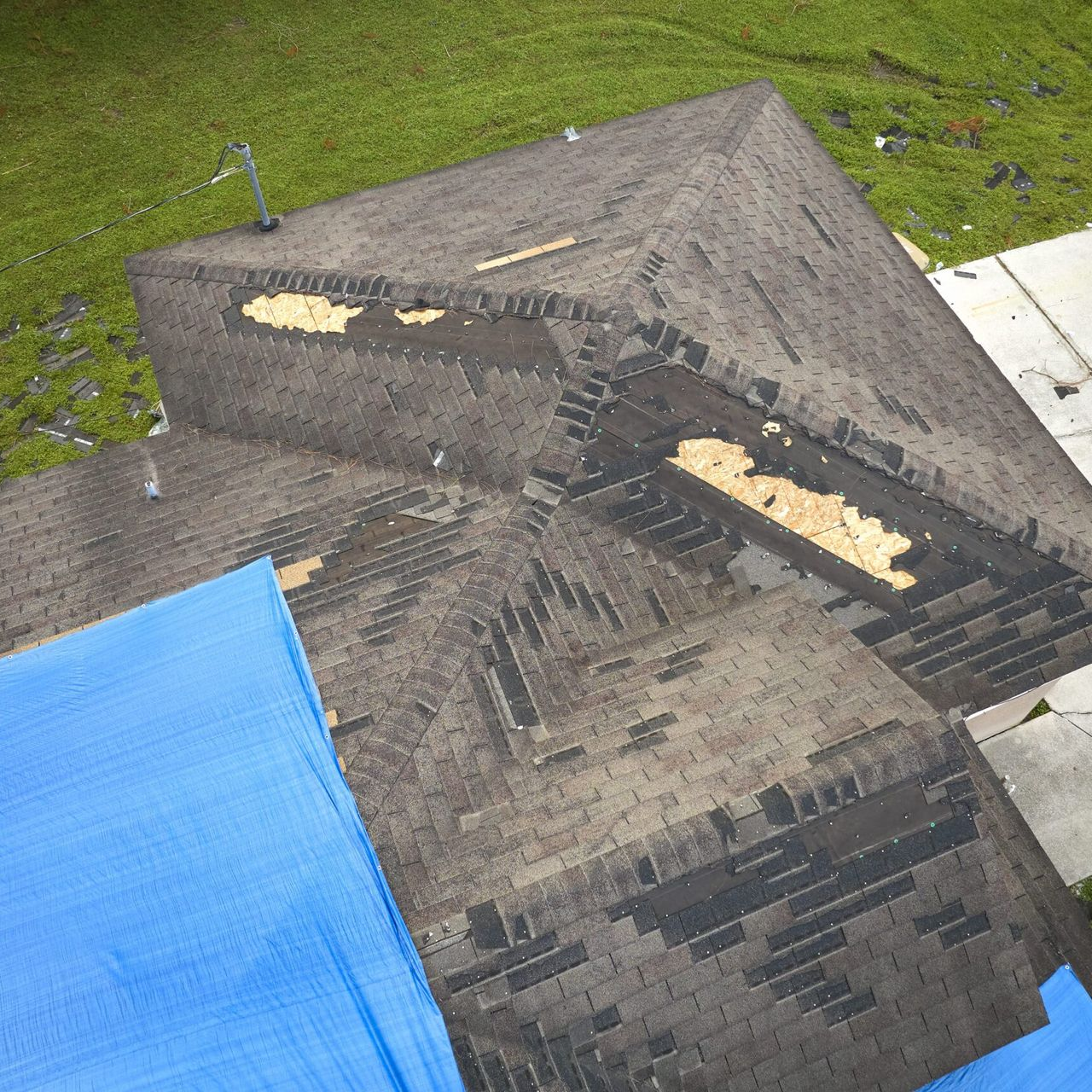
  • Loosened or missing shingles from strong winds
  • Water infiltration from ice dams
  • Sagging areas from trapped moisture
  • Cracked or deteriorated flashing around vents and chimneys
  • Clogged gutters leading to water backup and rot


These issues might not be noticeable from the ground, but they can quickly worsen with spring rains, leading to costly damage inside and outside your home.

Five Key Signs of Roof Damage You Shouldn’t Ignore

Even if your roof looks fine at first glance, take the time to check for these warning signs.


1. Missing, Loose, or Curling Shingles

Maryland’s strong winter winds can loosen or completely remove shingles, leaving your roof vulnerable to water damage.


Pro Tip: Even a single missing shingle can create an entry point for moisture, leading to hidden rot and leaks. A professional inspection can identify compromised shingles before they fail.


2. Water Stains or Ceiling Discoloration

If you notice brown spots or peeling paint on your ceilings, your roof may already be leaking.


Most homeowners don’t notice roof leaks until they cause visible interior damage. By then, the water has often spread through insulation, wood beams, and drywall, making repairs more expensive.


3. Ice Dam Damage and Roof Sagging

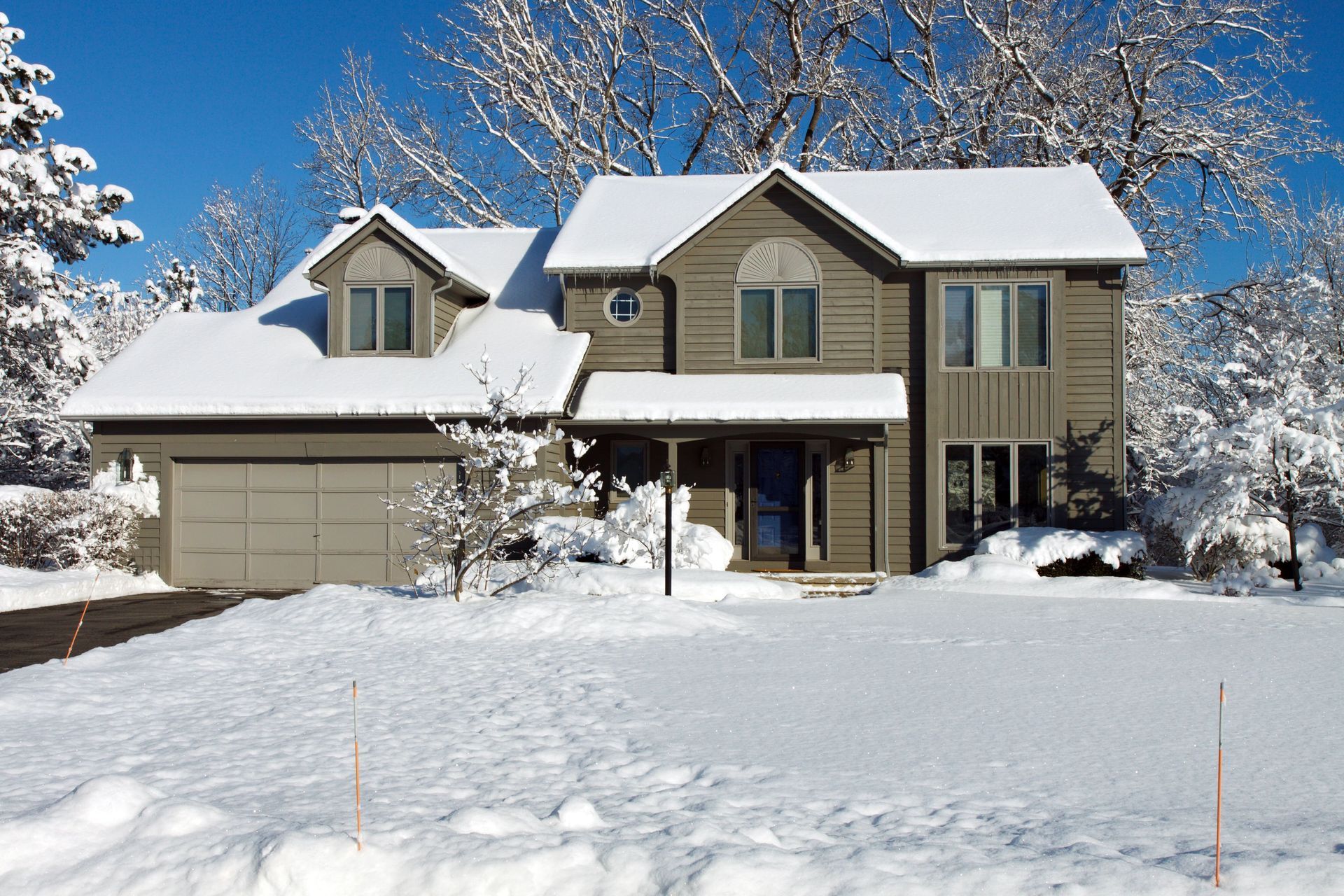
During winter, melting snow can refreeze along your roof’s edge, forming ice dams that trap water. Over time, this moisture can weaken your roof’s decking, leading to sagging areas or soft spots.


Warning Sign: If you notice an uneven roofline or a sag of more than one inch over a ten-foot span, your roof’s structure could be compromised.


4. Clogged or Damaged Gutters

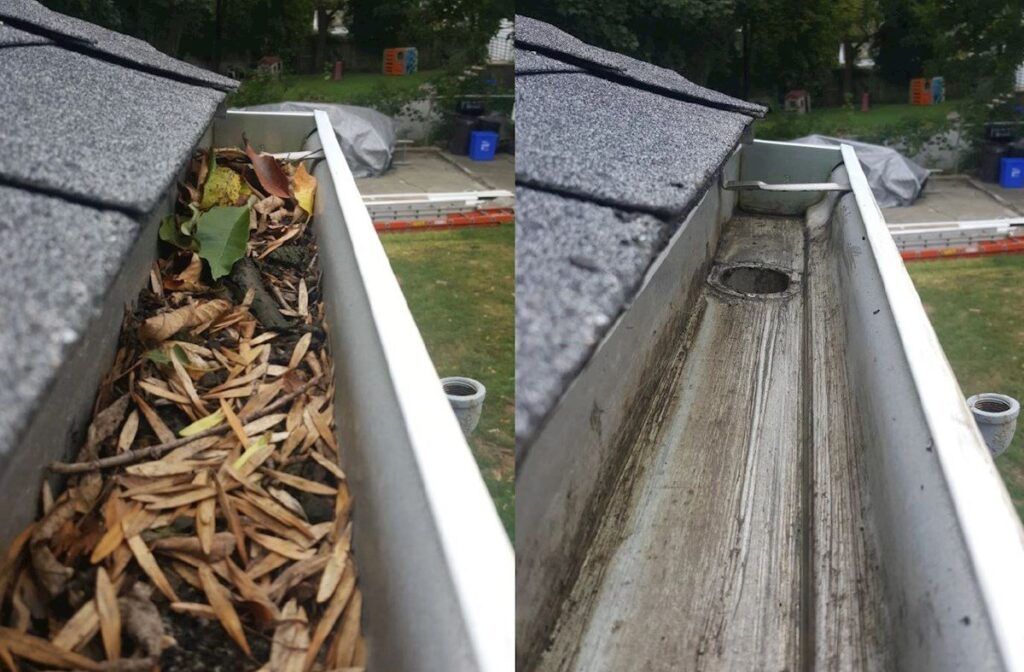
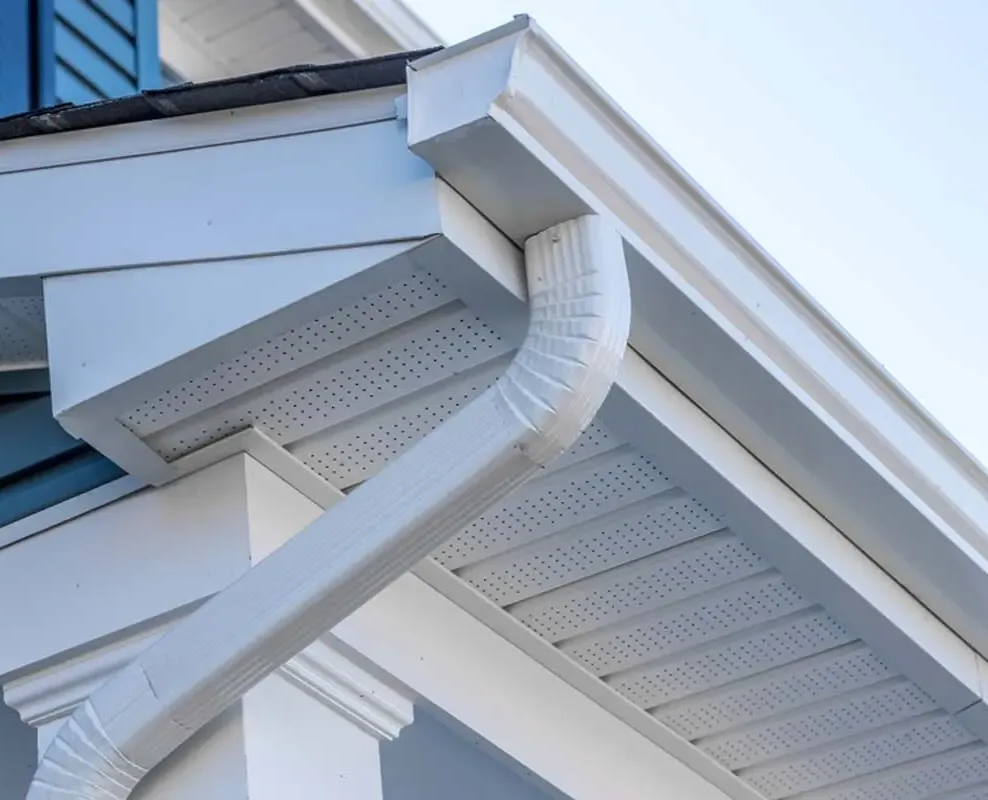
Your gutters are essential for directing water away from your home. When clogged with debris, they cause water to back up under your shingles and seep into your roof’s framework.


Pasadena, MD, receives an average of 3.5 inches of rain in April, meaning your gutters must handle over 2,100 gallons of water per inch of rain. If they’re clogged, that water has nowhere to go but into your home’s foundation or attic.


5. Moss, Algae, and Mold Growth

If you see green moss, black streaks, or mold spots on your roof, it’s a sign of trapped moisture, which can break down your shingles over time.


Roofs with heavy moss growth can deteriorate up to 30 percent faster than well-maintained roofs, cutting their lifespan short and increasing replacement costs.


How Much Will Roof Repairs Cost in Pasadena, MD?

The cost of repairing your roof depends on the extent of the damage, materials used, and labor. Here’s a detailed breakdown of what you might expect to pay for common roof repairs in Pasadena, MD:


1. Shingle Repairs: $200 - $1,500

  • Minor fixes, like replacing a few damaged shingles, typically cost around $200 - $400.
  • If a large section of shingles needs to be replaced, the cost can range from $500 - $1,500, depending on the material.
  • Architectural shingles are more expensive to replace than traditional 3-tab shingles, but they offer greater durability.


2. Roof Leak Repairs: $250 - $1,200

  • Small leaks caught early can be fixed for $250 - $600.
  • If leaks have caused underlying wood damage or mold growth, repairs can range from $1,000 - $1,200.


3. Flashing Repairs: $300 - $1,500

  • Flashing around chimneys, vents, and skylights helps prevent leaks.
  • Replacing small sections of flashing costs $300 - $600, while a full replacement may cost up to $1,500.


4. Gutter and Downspout Repairs: $150 - $1,000

  • Cleaning out clogged gutters costs around $150 - $300.
  • Replacing damaged sections can range from $500 - $1,000, especially if the damage has affected fascia boards or soffits.


5. Structural Repairs (Sagging Roof): $2,000 - $10,000+

  • If your roof is sagging due to long-term water damage or weak framing, costs increase significantly.
  • Minor structural reinforcement can cost $2,000 - $4,000, while major repairs or a full roof replacement can exceed $10,000.

6. Full Roof Replacement: $8,000 - $25,000+

  • If damage is extensive, a full roof replacement may be the best option.
  • In Pasadena, MD, the average cost of replacing a 1,500-square-foot asphalt shingle roof is $8,000 - $12,000.
  • Metal or slate roofing can range from $15,000 - $25,000 or more, depending on materials and complexity.
Why Spring is the Best Time for a Roof Inspection

Spring is the ideal season to inspect and repair any roof damage before it gets worse. Here’s why:

  • Mild temperatures make it easier to perform repairs.
  • Fixing issues early prevents leaks from worsening during heavy spring and summer storms.
  • Regular maintenance can extend the life of your roof and save thousands in premature replacement costs.


The Cost of Waiting:

  • Small Roof Leak Repair: $250 - $600
  • Water Damage Restoration: $3,000 - $10,000
  • Full Roof Replacement: $8,000 - $25,000 or more

A preventative inspection can identify problems early and save thousands in repairs.


How Four Seasons Roofing Can Help

At Four Seasons Roofing, we specialize in thorough, professional roof inspections in Pasadena and throughout Maryland. Our experienced team doesn’t just do a quick visual check—we examine shingles, flashing, attic ventilation, gutters, and overall roof integrity to ensure your home is protected.


What We Offer:

  • Free spring roof inspections with no hidden fees
  • Honest recommendations without upselling unnecessary repairs
  • Fast and reliable service, with most minor repairs completed the same week


Four Seasons Roofing. Local experts. Trusted service. Guaranteed results.

November 6, 2026
Plan roof replacement in Sykesville with Four Seasons Roofing. Explore how roof age, property access, and seasonal conditions shape project timing.
October 28, 2026
Learn why gutter overflow may be connected to roof-edge flashing, fascia, downspouts, or gutter alignment and when to request an evaluation.
October 20, 2026
Siding is the visible exterior finish of a home, but it is not the only component responsible for managing water and protecting the walls beneath it. Effective moisture control depends on how the siding, flashing, trim, exterior barrier, windows, doors, and other transitions work together. These details become especially important during fall and winter. Wind-driven rain, changing temperatures, melting frost, and repeated moisture exposure can reveal weaknesses that may not be obvious during dry weather. At Four Seasons Roofing, we evaluate siding as part of the home’s complete exterior system. Our siding installation and replacement services in Maryland consider the condition of the existing materials, vulnerable transitions, water-management details, and the requirements of the property. Siding is designed to manage exterior exposure Siding helps protect the walls from direct exposure to rain, wind, sunlight, and changing temperatures. However, siding is not intended to function as the home’s only moisture-control layer. Small amounts of water may move behind exterior siding through joints, seams, penetrations, or areas exposed to wind-driven rain. The exterior system should be designed to manage that moisture and direct it away from the underlying structure. Why surface appearance is only part of the evaluation Siding can appear acceptable from a distance while concerns develop around: Windows and doors Roof-to-wall transitions Utility penetrations Exterior corners Lower wall sections Deck and porch connections Areas with previous repairs Damaged or deteriorated trim A professional evaluation should consider these transitions rather than looking only at the broad siding panels. What is located behind the siding? The materials behind siding vary according to the age of the home, construction method, previous exterior work, and current siding system. Depending on the property, the wall assembly may include: Structural sheathing A water-resistant exterior barrier Flashing around openings and transitions Insulation components Furring or drainage materials Fasteners and attachment points Interior wall materials The condition of these components may not be fully visible until sections of the existing siding are removed. Why concealed conditions affect the project scope If moisture has moved behind damaged or incorrectly installed siding, the underlying materials may show staining, softness, deterioration, or previous patching. Before a siding replacement project begins, homeowners should understand how concealed conditions will be documented, priced, and addressed if they are discovered. At Four Seasons Roofing, we explain which conditions can be evaluated in advance and which may only become visible during removal. Exterior barriers help manage water An exterior water-resistant barrier may be installed behind the siding as part of the wall assembly. Its purpose is to help manage moisture that passes beyond the visible exterior finish. The barrier must connect correctly with flashing, openings, and penetrations. Simply placing a barrier behind new siding does not guarantee proper moisture management if the transitions are incomplete or incorrectly integrated. Installation details matter Important areas may include: Overlaps between barrier sections Connections around windows and doors Lower wall drainage points Roof and siding intersections Corners and exterior penetrations Transitions between different materials The exact requirements depend on the home and the selected siding system. We evaluate the existing conditions and determine which details should be addressed within the project scope. Flashing protects vulnerable transitions Flashing is used to help direct water away from openings, joints, and other vulnerable areas. It is particularly important where siding meets windows, doors, rooflines, decks, porches, and horizontal trim. When flashing is missing, damaged, or incorrectly positioned, water may travel behind the siding instead of being directed toward the exterior. Window and door openings Windows and doors create interruptions in the exterior wall. These openings require careful attention because water may collect at the top, sides, or lower corners. Warning signs around an opening may include: Staining near interior or exterior trim Soft or deteriorated trim Gaps where materials meet Peeling paint Swelling around the opening Discoloration after heavy rain Previous layers of patching or sealant Adding more surface caulk may temporarily cover a visible gap, but it may not correct an underlying flashing or drainage problem. Siding and the roofline must work together Water leaving the roof should move into the gutter system and away from the exterior walls. If roof edges, flashing, gutters, or downspouts are not performing correctly, the siding may receive more moisture than intended. Repeated overflow or concentrated runoff can affect: Fascia and soffit areas Upper siding sections Exterior corners Window and door openings Lower wall sections Foundation areas A siding concern may therefore be connected to the roofing or drainage system. We evaluate how these components interact before recommending a solution. How colder weather reveals siding problems Cold weather does not automatically damage properly installed siding. However, temperature changes can make existing installation problems or deterioration easier to notice. Homeowners may observe: Loose or visibly moving panels Cracked or broken sections Open joints around trim Interior drafts near exterior walls Moisture staining after storms Peeling paint around openings Areas where previous repairs have separated These signs do not all have the same cause. The condition may involve the siding itself, fastening, trim, flashing, moisture behind the wall, or movement within the structure. When siding replacement should be considered Not every isolated siding concern requires replacement of the complete exterior. A small damaged section may sometimes be addressed locally when compatible materials are available and the surrounding system remains in suitable condition. Broader siding replacement may be considered when: Damage appears across multiple elevations The existing siding has widespread deterioration Water-management details require substantial correction Repairs would create inconsistent materials or appearance The siding no longer remains secure Multiple openings and transitions show problems The homeowner is planning a larger exterior improvement Our role is to evaluate the visible conditions, explain the available options, and help the homeowner understand whether a localized solution or broader replacement is more appropriate. Siding replacement should include a clear scope A siding proposal should explain more than the color and visible material. Homeowners should understand how the contractor will handle removal, preparation, transitions, trim, cleanup, and concealed conditions. H3: Questions homeowners should ask Before approving a siding replacement project, ask: Will the existing siding be removed? How will the underlying wall condition be evaluated? How will concealed deterioration be documented? Which exterior barrier or moisture-management details are included? How will flashing around windows and doors be handled? Which trim components are included? How will siding connect with the roofline and gutters? What will happen around utilities and exterior penetrations? How will debris and removed materials be managed? Which product and workmanship warranties apply? A detailed scope helps homeowners compare complete projects rather than comparing only the visible siding material. Coordinate siding with windows and gutters Siding replacement may affect or connect with other exterior projects. If windows, gutters, roofing, or exterior trim also require work, the sequence of those projects should be discussed before installation begins. Coordinating the work can help avoid removing newly installed materials or creating incomplete transitions later. Homeowners can learn more about siding and gutter installation in Pasadena or explore siding and gutter services in Owings Mills . Prepare the exterior before winter moisture arrives Siding should be evaluated as part of a complete exterior system. The visible panels, exterior barrier, flashing, trim, windows, roof edges, and gutters all influence how moisture moves around the home. At Four Seasons Roofing, we review these connected components and explain which conditions should be included in the siding replacement scope. We do not base recommendations on appearance alone. If your siding is loose, deteriorated, uneven, or showing signs of moisture around exterior transitions, fall is a practical time to schedule an evaluation before winter weather makes the condition more difficult to address. Request a siding replacement estimate Let Four Seasons Roofing evaluate your siding, trim, openings, roofline transitions, and visible moisture concerns and explain the appropriate next steps.
October 14, 2026
Learn how window installation affects drafts, moisture control, operation, and indoor comfort during Maryland’s colder months.
October 6, 2026
Learn what a complete roof replacement should include, from decking and underlayment to ventilation, flashing, cleanup, and warranty coverage.
Contractor evaluating gutters, downspouts and exterior drainage conditions at a Catonsville, Marylan
September 21, 2026
Learn which roof, property and exterior conditions can change a gutter and drainage project in Catonsville, MD, and what to evaluate first.
November 6, 2026
Plan roof replacement in Sykesville with Four Seasons Roofing. Explore how roof age, property access, and seasonal conditions shape project timing.
October 28, 2026
Learn why gutter overflow may be connected to roof-edge flashing, fascia, downspouts, or gutter alignment and when to request an evaluation.
October 20, 2026
Siding is the visible exterior finish of a home, but it is not the only component responsible for managing water and protecting the walls beneath it. Effective moisture control depends on how the siding, flashing, trim, exterior barrier, windows, doors, and other transitions work together. These details become especially important during fall and winter. Wind-driven rain, changing temperatures, melting frost, and repeated moisture exposure can reveal weaknesses that may not be obvious during dry weather. At Four Seasons Roofing, we evaluate siding as part of the home’s complete exterior system. Our siding installation and replacement services in Maryland consider the condition of the existing materials, vulnerable transitions, water-management details, and the requirements of the property. Siding is designed to manage exterior exposure Siding helps protect the walls from direct exposure to rain, wind, sunlight, and changing temperatures. However, siding is not intended to function as the home’s only moisture-control layer. Small amounts of water may move behind exterior siding through joints, seams, penetrations, or areas exposed to wind-driven rain. The exterior system should be designed to manage that moisture and direct it away from the underlying structure. Why surface appearance is only part of the evaluation Siding can appear acceptable from a distance while concerns develop around: Windows and doors Roof-to-wall transitions Utility penetrations Exterior corners Lower wall sections Deck and porch connections Areas with previous repairs Damaged or deteriorated trim A professional evaluation should consider these transitions rather than looking only at the broad siding panels. What is located behind the siding? The materials behind siding vary according to the age of the home, construction method, previous exterior work, and current siding system. Depending on the property, the wall assembly may include: Structural sheathing A water-resistant exterior barrier Flashing around openings and transitions Insulation components Furring or drainage materials Fasteners and attachment points Interior wall materials The condition of these components may not be fully visible until sections of the existing siding are removed. Why concealed conditions affect the project scope If moisture has moved behind damaged or incorrectly installed siding, the underlying materials may show staining, softness, deterioration, or previous patching. Before a siding replacement project begins, homeowners should understand how concealed conditions will be documented, priced, and addressed if they are discovered. At Four Seasons Roofing, we explain which conditions can be evaluated in advance and which may only become visible during removal. Exterior barriers help manage water An exterior water-resistant barrier may be installed behind the siding as part of the wall assembly. Its purpose is to help manage moisture that passes beyond the visible exterior finish. The barrier must connect correctly with flashing, openings, and penetrations. Simply placing a barrier behind new siding does not guarantee proper moisture management if the transitions are incomplete or incorrectly integrated. Installation details matter Important areas may include: Overlaps between barrier sections Connections around windows and doors Lower wall drainage points Roof and siding intersections Corners and exterior penetrations Transitions between different materials The exact requirements depend on the home and the selected siding system. We evaluate the existing conditions and determine which details should be addressed within the project scope. Flashing protects vulnerable transitions Flashing is used to help direct water away from openings, joints, and other vulnerable areas. It is particularly important where siding meets windows, doors, rooflines, decks, porches, and horizontal trim. When flashing is missing, damaged, or incorrectly positioned, water may travel behind the siding instead of being directed toward the exterior. Window and door openings Windows and doors create interruptions in the exterior wall. These openings require careful attention because water may collect at the top, sides, or lower corners. Warning signs around an opening may include: Staining near interior or exterior trim Soft or deteriorated trim Gaps where materials meet Peeling paint Swelling around the opening Discoloration after heavy rain Previous layers of patching or sealant Adding more surface caulk may temporarily cover a visible gap, but it may not correct an underlying flashing or drainage problem. Siding and the roofline must work together Water leaving the roof should move into the gutter system and away from the exterior walls. If roof edges, flashing, gutters, or downspouts are not performing correctly, the siding may receive more moisture than intended. Repeated overflow or concentrated runoff can affect: Fascia and soffit areas Upper siding sections Exterior corners Window and door openings Lower wall sections Foundation areas A siding concern may therefore be connected to the roofing or drainage system. We evaluate how these components interact before recommending a solution. How colder weather reveals siding problems Cold weather does not automatically damage properly installed siding. However, temperature changes can make existing installation problems or deterioration easier to notice. Homeowners may observe: Loose or visibly moving panels Cracked or broken sections Open joints around trim Interior drafts near exterior walls Moisture staining after storms Peeling paint around openings Areas where previous repairs have separated These signs do not all have the same cause. The condition may involve the siding itself, fastening, trim, flashing, moisture behind the wall, or movement within the structure. When siding replacement should be considered Not every isolated siding concern requires replacement of the complete exterior. A small damaged section may sometimes be addressed locally when compatible materials are available and the surrounding system remains in suitable condition. Broader siding replacement may be considered when: Damage appears across multiple elevations The existing siding has widespread deterioration Water-management details require substantial correction Repairs would create inconsistent materials or appearance The siding no longer remains secure Multiple openings and transitions show problems The homeowner is planning a larger exterior improvement Our role is to evaluate the visible conditions, explain the available options, and help the homeowner understand whether a localized solution or broader replacement is more appropriate. Siding replacement should include a clear scope A siding proposal should explain more than the color and visible material. Homeowners should understand how the contractor will handle removal, preparation, transitions, trim, cleanup, and concealed conditions. H3: Questions homeowners should ask Before approving a siding replacement project, ask: Will the existing siding be removed? How will the underlying wall condition be evaluated? How will concealed deterioration be documented? Which exterior barrier or moisture-management details are included? How will flashing around windows and doors be handled? Which trim components are included? How will siding connect with the roofline and gutters? What will happen around utilities and exterior penetrations? How will debris and removed materials be managed? Which product and workmanship warranties apply? A detailed scope helps homeowners compare complete projects rather than comparing only the visible siding material. Coordinate siding with windows and gutters Siding replacement may affect or connect with other exterior projects. If windows, gutters, roofing, or exterior trim also require work, the sequence of those projects should be discussed before installation begins. Coordinating the work can help avoid removing newly installed materials or creating incomplete transitions later. Homeowners can learn more about siding and gutter installation in Pasadena or explore siding and gutter services in Owings Mills . Prepare the exterior before winter moisture arrives Siding should be evaluated as part of a complete exterior system. The visible panels, exterior barrier, flashing, trim, windows, roof edges, and gutters all influence how moisture moves around the home. At Four Seasons Roofing, we review these connected components and explain which conditions should be included in the siding replacement scope. We do not base recommendations on appearance alone. If your siding is loose, deteriorated, uneven, or showing signs of moisture around exterior transitions, fall is a practical time to schedule an evaluation before winter weather makes the condition more difficult to address. Request a siding replacement estimate Let Four Seasons Roofing evaluate your siding, trim, openings, roofline transitions, and visible moisture concerns and explain the appropriate next steps.
More Posts