Why Owings Mills Homeowners Should Check Their Roof Before Fall
Why Owings Mills homeowners should check their roof before fall
Summer can leave subtle changes behind on an Owings Mills roof. Heat, humidity, heavy rain, falling branches, and occasional high winds may affect shingles, flashing, roof edges, and drainage areas without immediately causing water to enter the home.
That is why the weeks before fall offer homeowners a useful opportunity to look at the condition of their roof. The goal is not to assume that every property needs roof repair. It is to identify visible changes before falling leaves, colder temperatures, and shorter drying periods make those conditions harder to evaluate.
This timing can be particularly important for Owings Mills homes surrounded by mature trees. Shade, branches, leaves, and organic debris can influence how quickly a roof dries and how effectively rainwater reaches the gutters.
Have you noticed a change in your roof since the beginning of summer?
Explore Four Seasons Roofing’s roofing services in Owings Mills
Why checking before fall can make a difference
A roof problem does not always begin with an obvious leak. Wind may loosen a shingle without removing it completely. Rain can expose a weak area around flashing or a roof penetration without producing an immediate ceiling stain. Debris may also begin collecting in a valley or near a roof edge before it noticeably affects drainage.
These conditions can remain difficult to recognize during summer. Once autumn arrives, additional rain and falling leaves may cover the affected area or place more pressure on an already restricted drainage path.
Looking for changes before that seasonal transition gives homeowners more time to understand what they are seeing. If a problem exists, it may also allow them to consider the appropriate response before they are dealing with active moisture inside the house.
Mature trees create specific considerations for Owings Mills roofs
Established trees contribute shade and character to many Owings Mills neighborhoods. However, homes located beneath or near large trees can experience roofing conditions that differ from properties in more open areas.
Branches may brush against shingles during windy weather, while twigs and leaves can settle in roof valleys or behind chimneys. Roof sections that remain shaded for much of the day may also take longer to dry after rain or during periods of high humidity.
Finding leaves on a roof does not automatically mean damage has occurred. The important question is whether the material is preventing water from moving freely or concealing a change beneath it.
Homeowners should not climb onto the roof to investigate. Initial observations can usually be made from the ground, from a window, or with the help of a qualified roofing contractor. Large or overhanging branches should be evaluated by an appropriate tree professional rather than removed without the necessary equipment.
Summer storms may affect a roof without creating an immediate leak
Storm-related roof damage is not always dramatic. Strong winds can affect shingles along exposed slopes, ridges, and roof edges. A falling branch may create a localized impact point, while metal flashing can shift slightly around a chimney, vent, or wall intersection.
The roof may continue keeping water out even after one of these changes. However, the affected area may become more vulnerable during future rain or temperature changes.
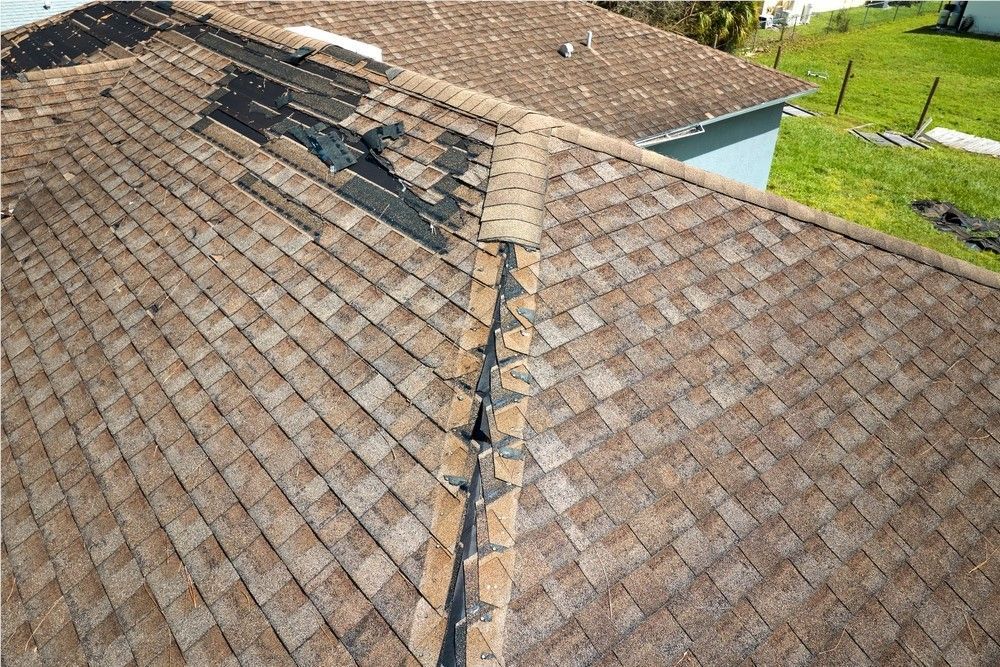
A homeowner may be able to notice shingles that look raised, uneven, missing, or different from the surrounding materials. Roofing fragments on the ground, bent metal near an edge, or new debris resting against a roof transition can also provide a reason to investigate further.
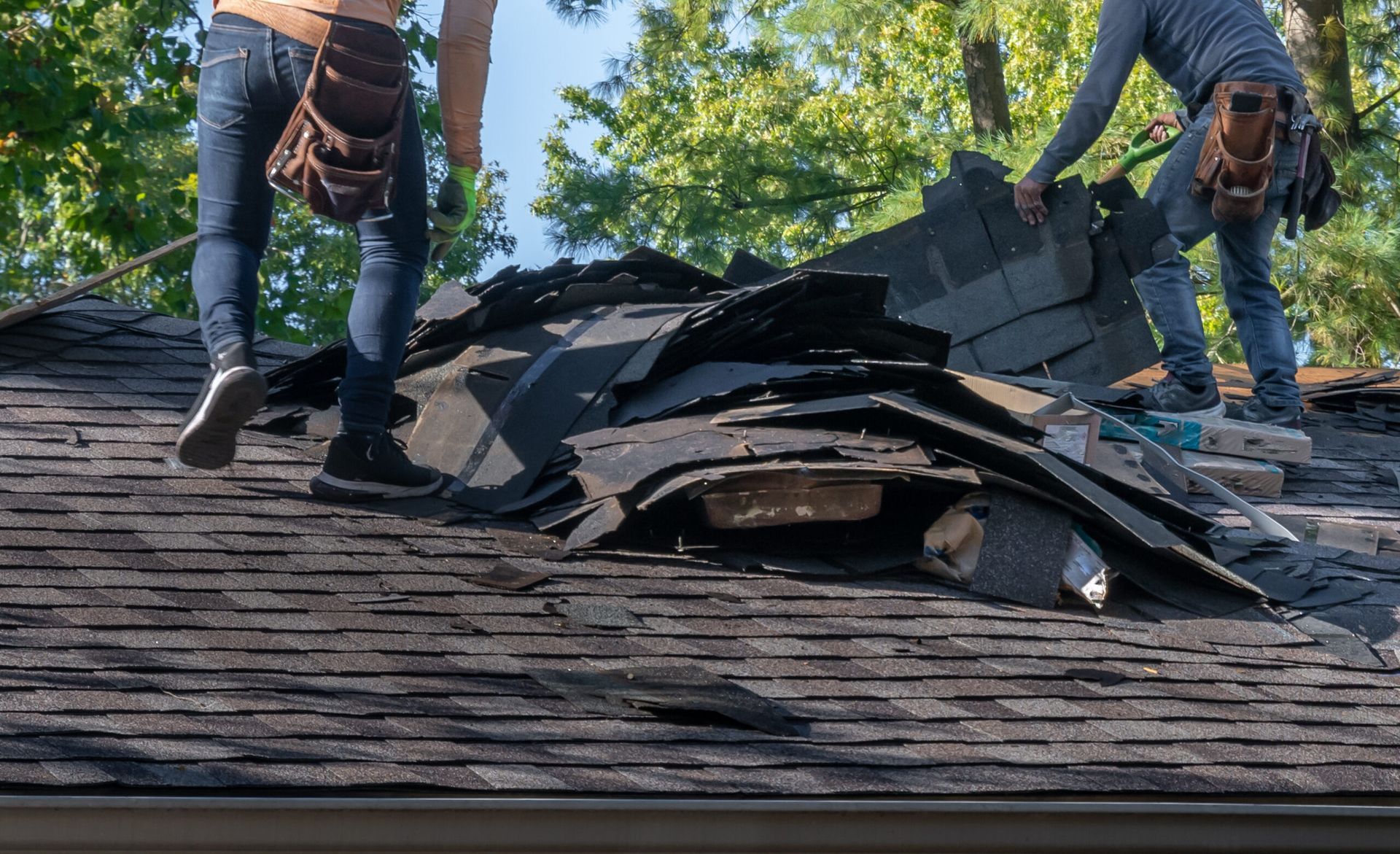
None of these observations automatically means the roof needs replacement. A localized condition may be suitable for roof repair, depending on the age of the roof and the extent of the change.
What if there are no visible changes outside?
Some early warning signs may first appear inside the home. New ceiling discoloration, peeling paint, damp odors, or changes in attic insulation can indicate that moisture deserves further investigation.
These symptoms do not reveal the exact source by themselves. Water can travel along framing or other materials before it becomes visible in a living space. A stain may therefore appear some distance from the roofing component that allowed moisture to enter.
Homeowners should note when the change appeared and whether it becomes more noticeable after rainfall. That information can help a roofer narrow down the possible source.
Roof edges and gutters become more important before leaf season
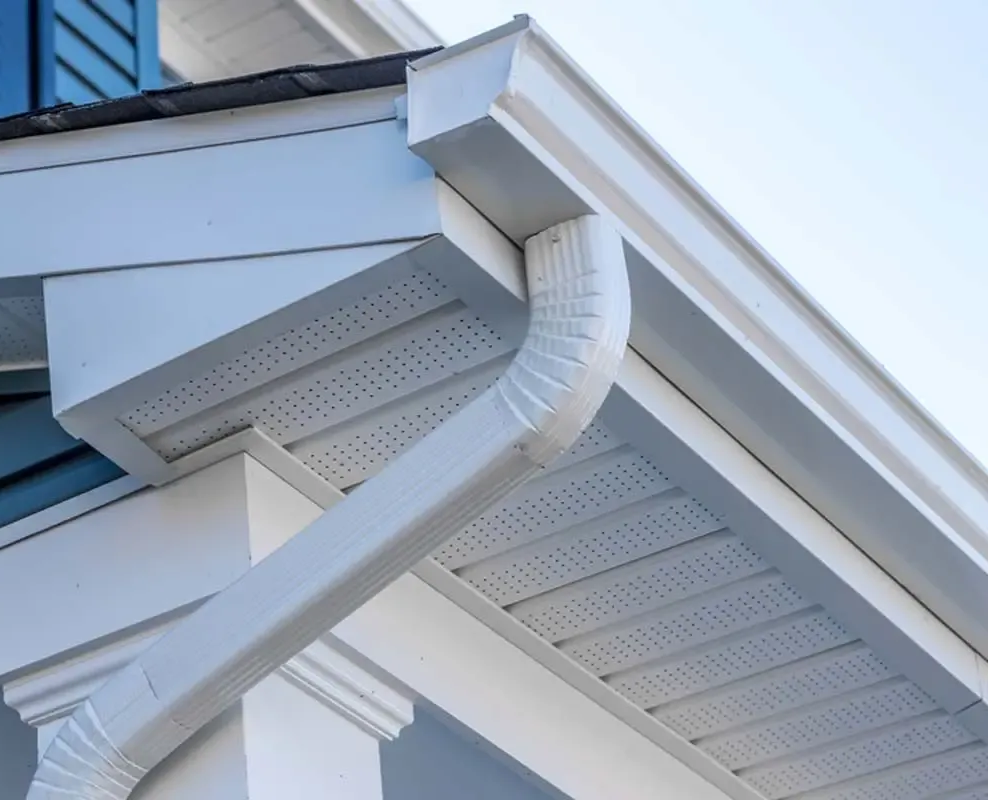
The roof and gutter system need to work together to move rainwater away from the home. As autumn approaches, that drainage path can become more vulnerable to leaves, twigs, roofing granules, and other debris.
Water spilling over a gutter during rainfall may indicate a blockage, but it can also relate to alignment, capacity, or the way water reaches the roof edge. Staining around fascia boards or unexpected water near the foundation can provide additional clues.
This does not mean every drainage issue begins with the roof. It does mean that the roof edge, gutters, and downspouts should be considered as connected parts of the same water-management system.
A roofing company can determine whether a visible concern relates to the shingles, drip edge, flashing, gutter placement, or another component. Identifying the actual source helps avoid treating only the most obvious symptom.
Not sure whether a visible change requires maintenance or roof repair?
Review Four Seasons Roofing’s Maryland roofing services to learn more about the available options for homeowners.
Does every visible roof change require repair?
Not every difference in appearance indicates a functional problem. Some changes may be cosmetic or consistent with the normal aging of the roofing materials.
At the same time, the size of a visible condition does not always reflect its importance. A small opening near flashing or a roof penetration can matter more than a larger area of harmless discoloration.
The purpose of checking the roof is to distinguish between these situations. A roofing contractor should be able to explain where the concern is located, whether it affects the roof’s performance, and whether any action is currently appropriate.
If roof repair is recommended, homeowners should also understand whether the work addresses an isolated area or whether similar wear appears elsewhere. This information allows for a more informed decision without assuming that replacement is the only option.
When should an Owings Mills homeowner contact a roofer?
It may be time to contact a roofer when roofing materials are found on the ground, shingles appear displaced, or a branch has struck the roof. New interior staining, persistent damp odors, recurring gutter overflow, and visible changes around chimneys or roof edges may also justify a closer look.
Homeowners who are unsure about the age or previous maintenance history of their roof may also benefit from establishing its condition before fall. Understanding what is currently happening can make future changes easier to recognize.
When speaking with a roofing contractor, homeowners can provide the approximate date the condition appeared, details about recent storms, and photographs taken safely from the ground. This context can support a more focused evaluation.
Checking now can make seasonal planning easier
Roofing concerns are often easier to consider before they become urgent. A pre-fall check gives homeowners time to understand the condition, review any recommendations, and plan around approaching weather.
If the roof is performing properly, the homeowner gains reassurance and a useful reference point for the future. If a vulnerable area is found, it may be possible to address that specific condition before leaf buildup, repeated rainfall, or colder temperatures complicate the situation.
For Owings Mills homes near mature trees, the end of summer connects two important seasonal factors: the effects of previous storms and the approaching increase in leaves and debris. Checking during this period can help homeowners enter fall with clearer information about the roof protecting their property.
If you have noticed a roof change or would like to
discuss a concern before fall, contact Four Seasons Roofing. The company serves Owings Mills and surrounding Maryland communities with roofing, roof repair, replacement, and exterior services.