Storm Damage and Roof Insurance Claims: What Homeowners Should Know
Storm Damage and Roof Insurance Claims
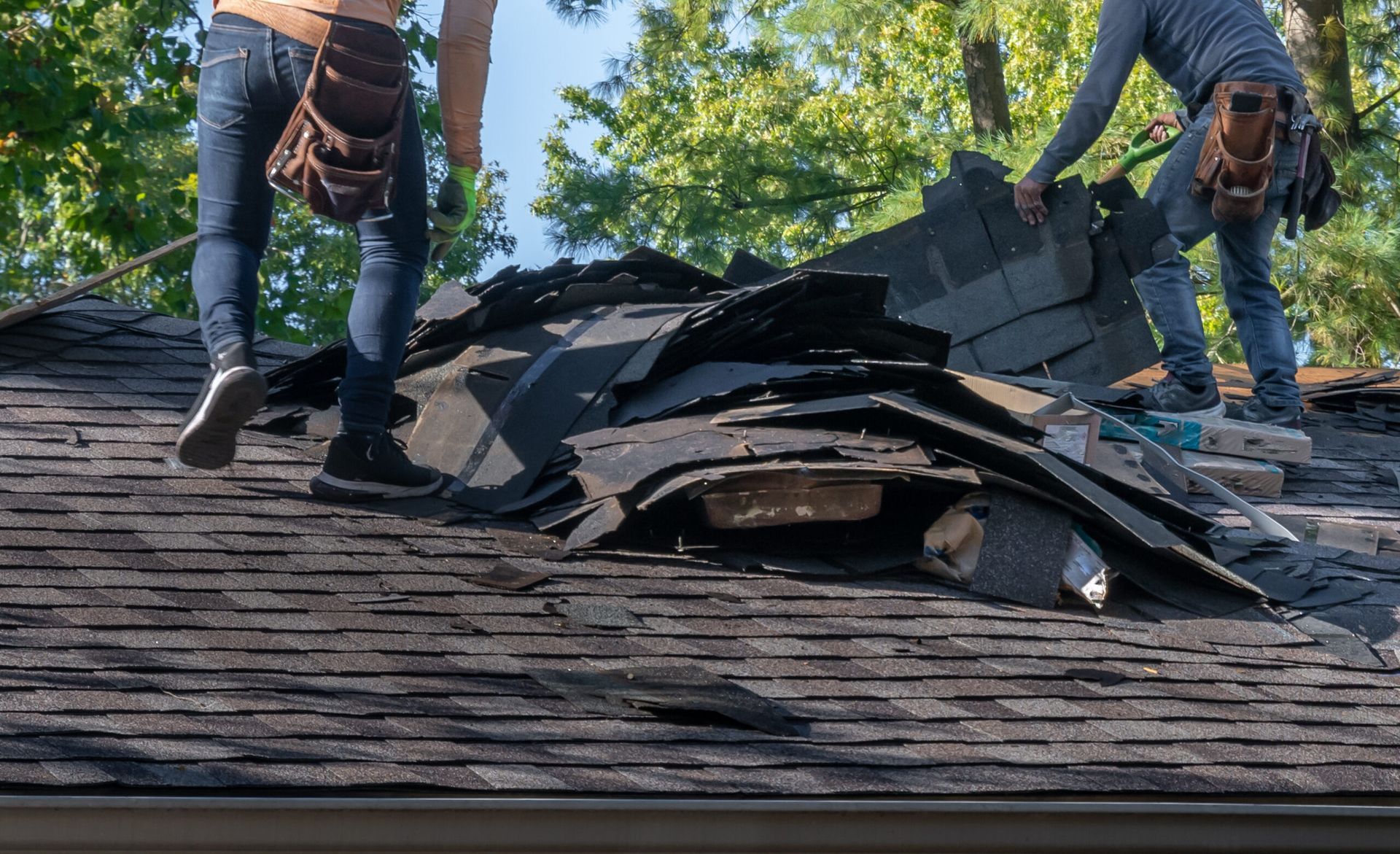
Severe storms can move through Maryland quickly, bringing high winds, heavy rain, and hail that may impact homes with little warning. While many homeowners focus on clearing debris or checking yards after a storm passes, the roof often receives the most direct impact. Even a short storm can loosen shingles, damage flashing, or create small openings where water can enter the home.
Understanding how storm roof damage occurs and how insurance claims may apply can help homeowners respond quickly and protect their property. Four Seasons Roofing works with Maryland homeowners who want clear guidance after storms affect their roofs. Storm damage is not always obvious immediately after severe weather.
How Storms Commonly Damage Roofs
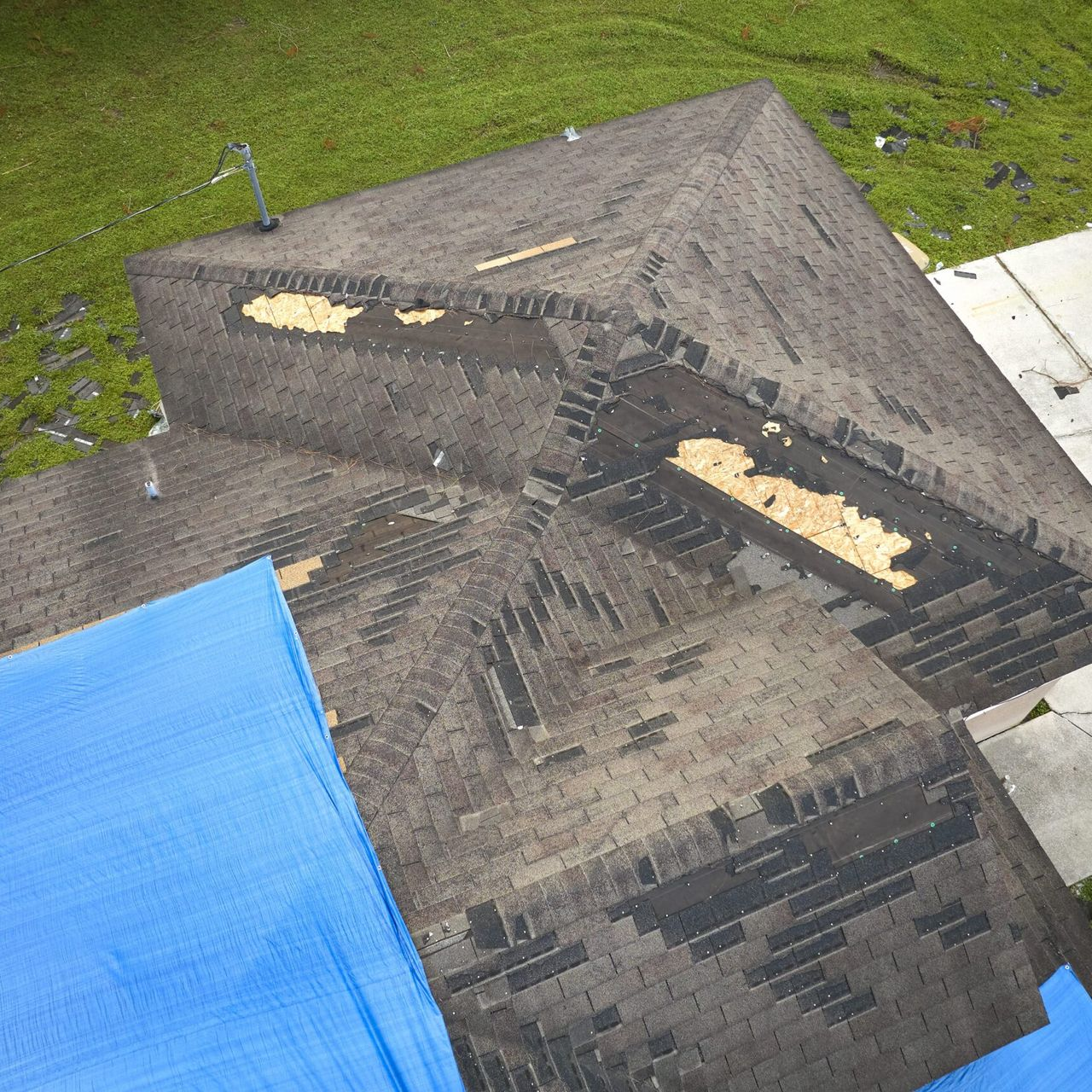
Thunderstorms can affect roofing systems in several ways. High winds may lift the edges of shingles and break the adhesive seal that keeps them in place. When this happens, shingles may shift or tear away during the storm.
Hail can also create problems by striking shingles with enough force to weaken their protective surface. This type of roof hail damage may leave small dents or cracks that reduce the lifespan of the roofing material.
Another common issue occurs when debris such as tree limbs or branches strike the roof during strong winds. Even small impacts can loosen materials and contribute to future leaks.
Signs Your Roof May Have Storm Damage
After severe weather, homeowners may begin noticing small changes that suggest the roof has been affected. Missing or lifted shingles are often the most visible sign of damage. However, many roofing problems are less obvious from the ground.
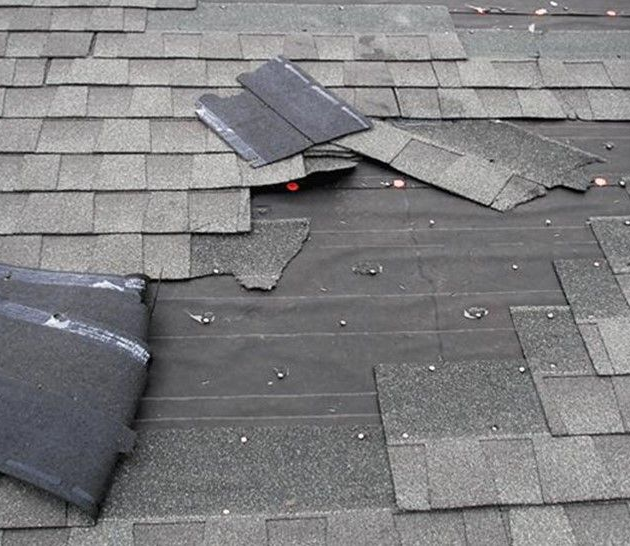
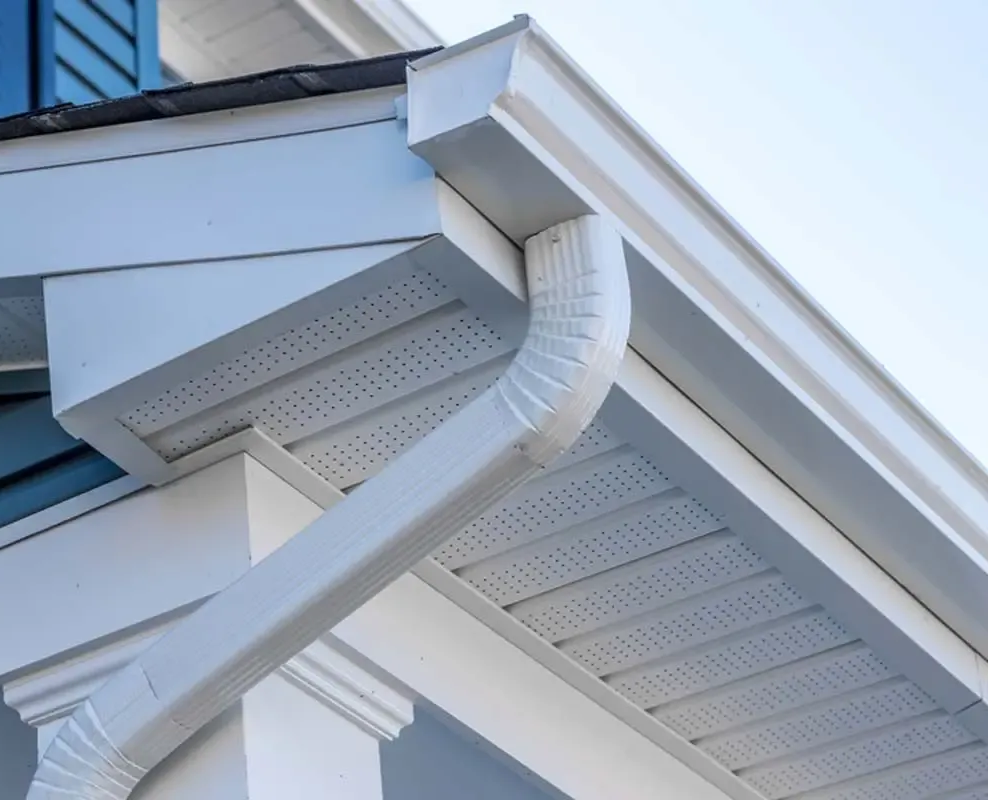
Granules collecting in gutters, small pieces of roofing material in the yard, or debris resting on the roof may indicate that wind or hail impacted the shingles. Inside the home, water stains or moisture around ceilings can sometimes signal developing roof leaks.
If any of these signs appear, a professional post-storm roof inspection can help determine whether the roof requires repairs.
Why Roof Inspections Matter After a Storm
Many roofing problems caused by storms develop slowly. Shingles that have been slightly lifted by wind may remain in place for weeks before leaks begin to appear. Because of this, homeowners often schedule inspections after major storms even when damage is not immediately visible.
A trained roofing company can evaluate the condition of shingles, flashing, and ventilation areas that are difficult to see from the ground. Identifying early problems allows homeowners to address them before they lead to larger repairs. In some cases, inspections reveal issues such as wind damaged shingles that require targeted repair work.
Understanding the Insurance Claim Process
When storms damage a roof, homeowners often consider filing an insurance roof claim. Many homeowners insurance policies cover damage caused by sudden events like wind, hail, or falling debris.
However, insurance companies typically review several factors when evaluating a claim. The age and condition of the roof may influence the outcome, and adjusters will determine whether the damage was caused directly by the storm rather than long-term wear. A documented inspection can help clarify what occurred during the storm and whether repairs are necessary.
When Roof Repairs Are Covered
If storm damage is confirmed, the insurance company may approve coverage for storm damage roof repair. In some situations, the repair may involve replacing missing shingles or addressing flashing issues around roof features. More extensive damage may lead to recommendations for larger repairs or partial replacement of affected sections.
The goal is to restore the roof’s ability to protect the home from future weather conditions. Because every policy is different, homeowners often review coverage details with their insurance provider before moving forward.
Acting Quickly After Storm Damage
Prompt action after severe weather can help prevent additional problems. When shingles are missing or areas of the roof are exposed, rain can enter the home and damage insulation or drywall.
In these situations, temporary measures or emergency roof repair may be needed to secure the roof until permanent repairs can be completed.
Addressing storm damage early helps reduce the risk of more extensive structural issues later.
How Homeowners Begin Looking for Storm Roof Repair
After severe weather moves through an area, many homeowners start searching online to understand whether their roof may have been affected. A common step is searching for "roof repair near me" to find a local contractor who can evaluate potential storm damage.
These searches are often driven by uncertainty. From the ground, roofs may appear undamaged even if wind lifted shingles or hail weakened roofing materials. Because storm damage is not always immediately visible, a professional inspection helps determine whether repairs are necessary.
Working with an experienced local roofing contractor allows homeowners to receive a clear assessment of the roof’s condition and understand whether storm damage repairs or insurance claims may be needed.
Protecting Your Roof After Severe Weather
Maryland storms can develop quickly and leave homeowners uncertain about the condition of their roof. Scheduling an inspection after strong winds or hail can help identify problems before they worsen.
If your home may have experienced storm damage,
contact Four Seasons Roofing today to schedule a professional roof inspection and explore repair options that protect your home from future weather events.